8 Days Machame Route

The most popular route up Kilimanjaro, with proper acclimatisation.

Duration

8 Days

From

$2,100 pp

Difficulty

Strenuous

Style

Private journey

Overview

Eight days on the scenic Machame Route, the extra acclimatisation day dramatically improves summit success. Camping all the way, with our top guides and porter team.

Highlights

  • Eight-day version for higher success rate
  • Stunning Shira Plateau and Lava Tower
  • Barranco Wall scramble
  • Summit via Stella Point

Day-by-day itinerary

Sample programme. Every journey is private and can be paced or extended to suit you.

Mount Kilimanjaro Trek

Day 1 · Mount Kilimanjaro Trek

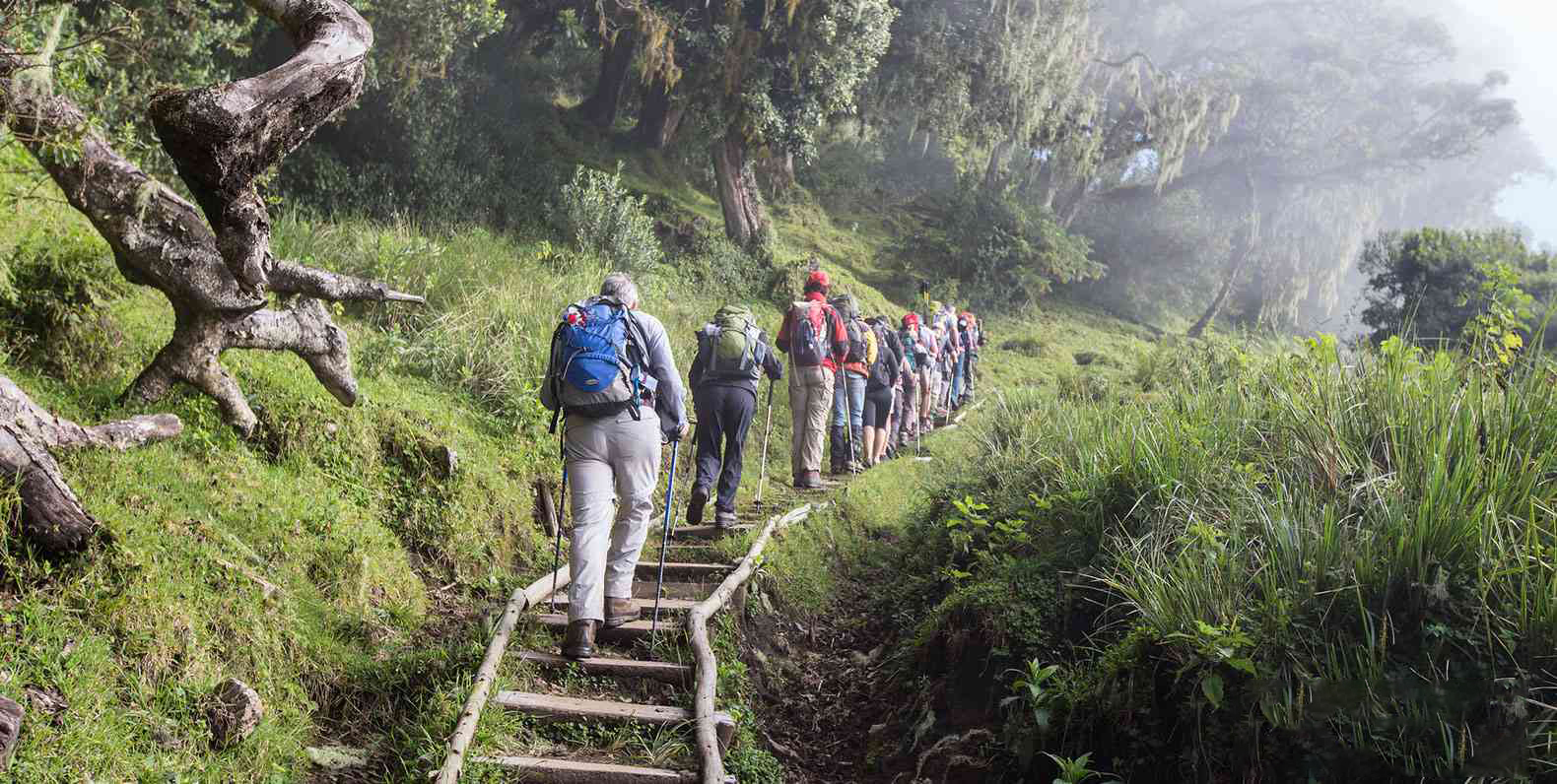
Machame Gate to Camp

Rainforest trek.

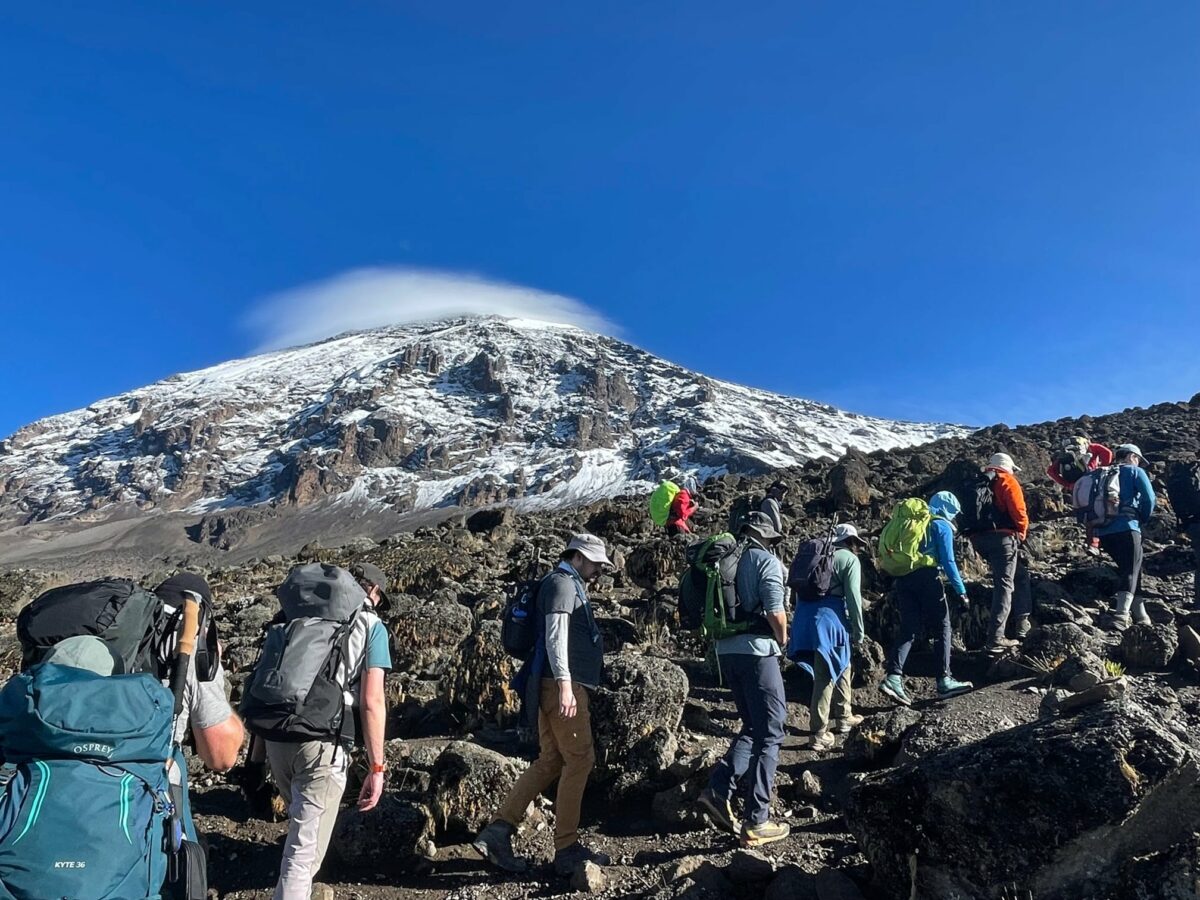
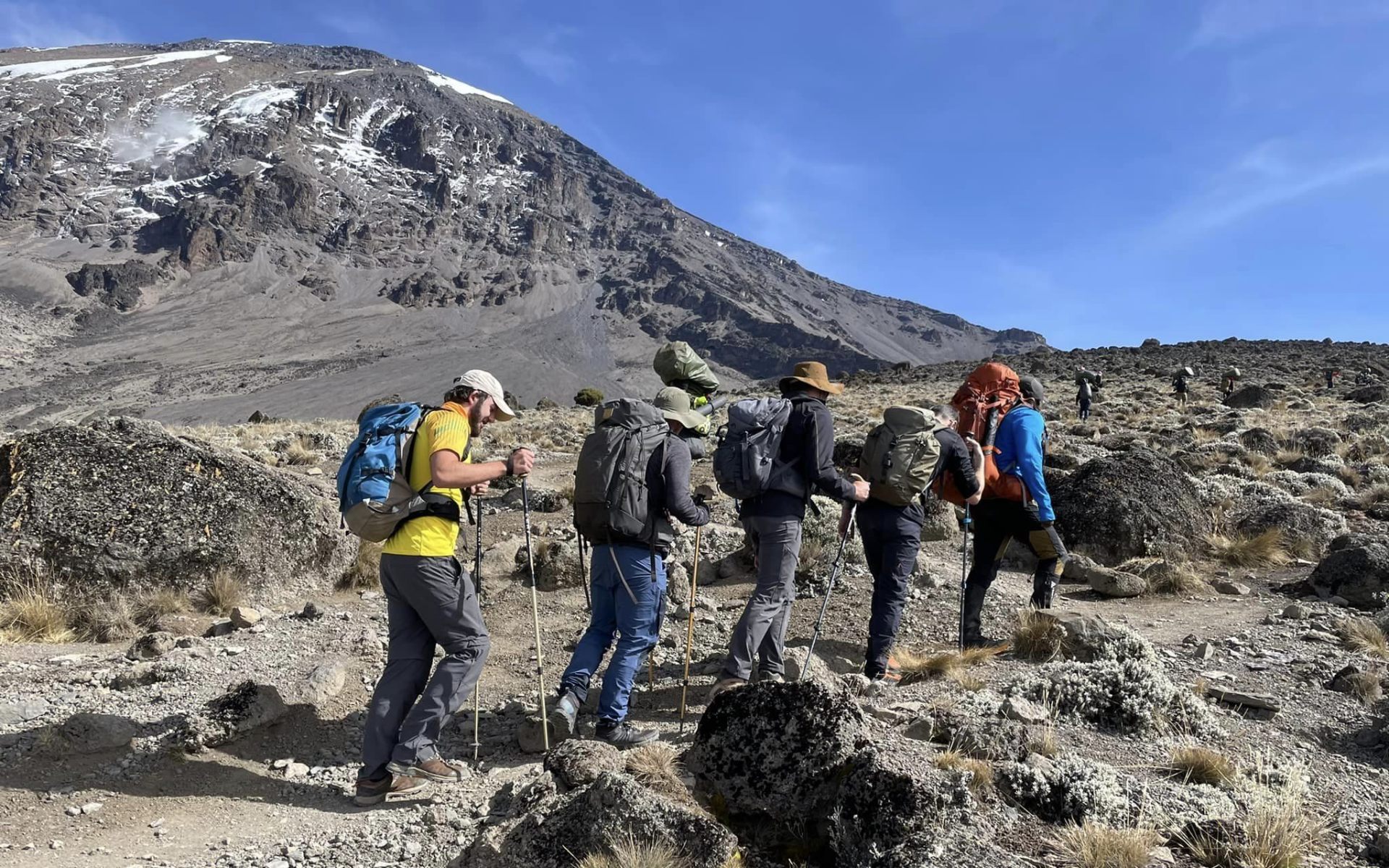
Kilimanjaro is Africa's highest mountain at 5,895 m and the highest free-standing peak in the world. Today you trek between camps, gaining altitude slowly to acclimatise, accompanied by your senior guide team, cook and porters.

Distance varies by day from 5 to 15 km. The mantra on Kili is pole pole, slowly slowly: a steady pace, plenty of water, three hot meals a day and an honest pulse-oximeter check every evening to track your acclimatisation.

Breakfast, Lunch, Dinner (on mountain)

Today's plan

  • Trek with your guide team between camps
  • Pulse-oximeter and acclimatisation check at camp
  • Three hot meals prepared by your mountain cook
  • Tea, snacks and a hot wash bowl on arrival

Where you sleep tonight

Mountain Tented Camp

Mountain Tented Camp

Three-season tent, Kilimanjaro

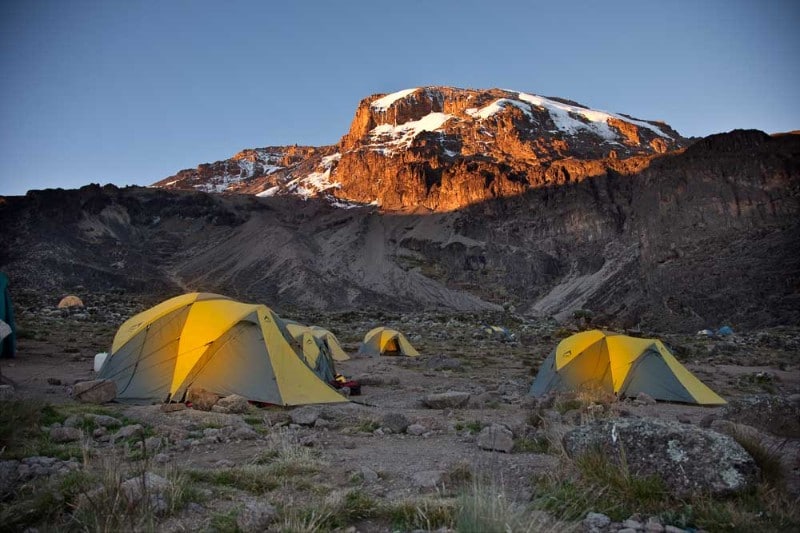
Spacious three-season tents with foam sleeping mats and a heated mess tent, set up by our porter team before you arrive at each camp.

Mount Kilimanjaro Trek

Day 2 · Mount Kilimanjaro Trek

Shira Plateau

Above the clouds.

Kilimanjaro is Africa's highest mountain at 5,895 m and the highest free-standing peak in the world. Today you trek between camps, gaining altitude slowly to acclimatise, accompanied by your senior guide team, cook and porters.

Distance varies by day from 5 to 15 km. The mantra on Kili is pole pole, slowly slowly: a steady pace, plenty of water, three hot meals a day and an honest pulse-oximeter check every evening to track your acclimatisation.

Breakfast, Lunch, Dinner (on mountain)

Today's plan

  • Trek with your guide team between camps
  • Pulse-oximeter and acclimatisation check at camp
  • Three hot meals prepared by your mountain cook
  • Tea, snacks and a hot wash bowl on arrival

Where you sleep tonight

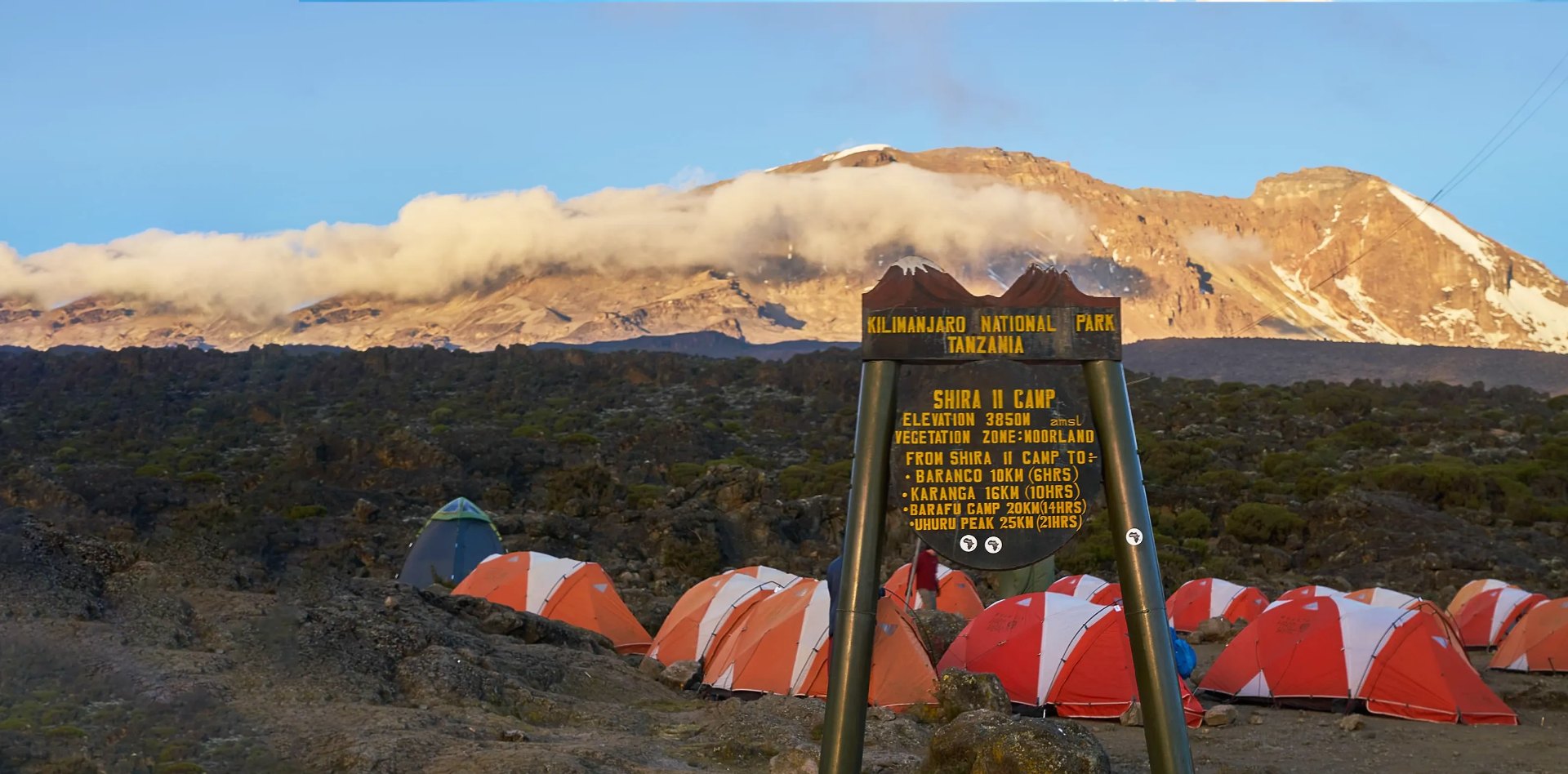
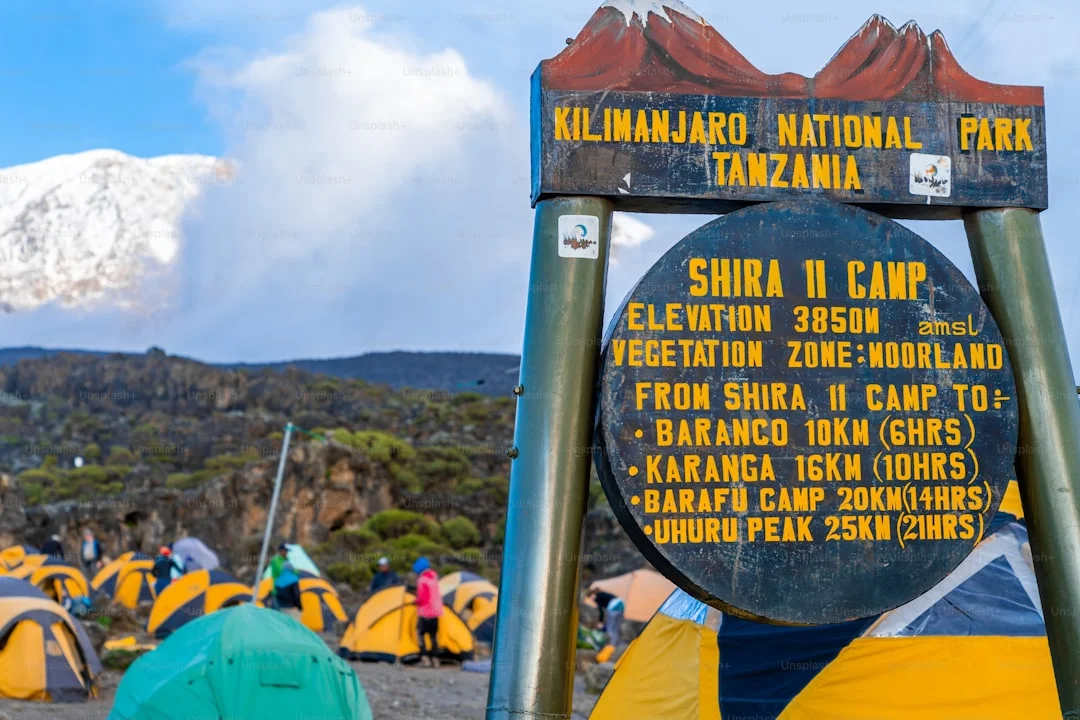
Shira Camp

Shira Camp

Tented camp, Kilimanjaro (3,850 m)

Tented camp on the high Shira Plateau with vast moorland views and a first close look at the Kibo summit cone.

Mount Kilimanjaro Trek

Day 3 · Mount Kilimanjaro Trek

Lava Tower & Barranco

Acclimatisation day.

Kilimanjaro is Africa's highest mountain at 5,895 m and the highest free-standing peak in the world. Today you trek between camps, gaining altitude slowly to acclimatise, accompanied by your senior guide team, cook and porters.

Distance varies by day from 5 to 15 km. The mantra on Kili is pole pole, slowly slowly: a steady pace, plenty of water, three hot meals a day and an honest pulse-oximeter check every evening to track your acclimatisation.

Breakfast, Lunch, Dinner (on mountain)

Today's plan

  • Trek with your guide team between camps
  • Pulse-oximeter and acclimatisation check at camp
  • Three hot meals prepared by your mountain cook
  • Tea, snacks and a hot wash bowl on arrival

Where you sleep tonight

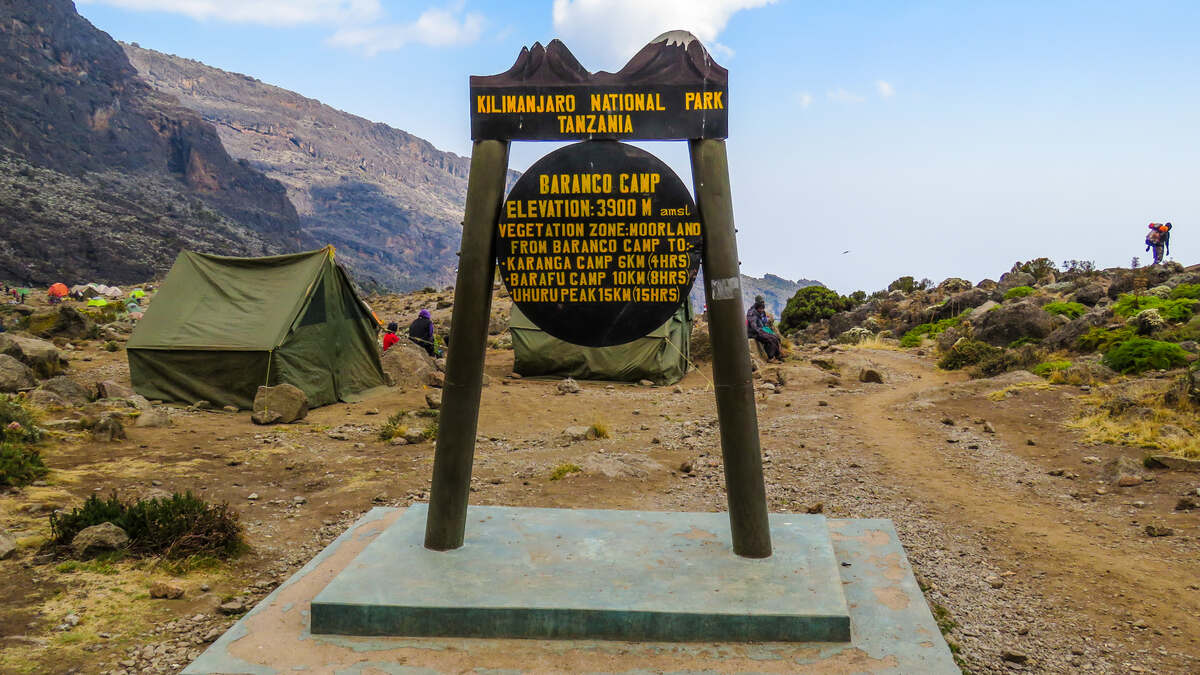
Barranco Camp

Barranco Camp

Tented camp, Kilimanjaro (3,900 m)

Sheltered tented camp beneath the giant senecios at the foot of the Barranco Wall, one of the most photogenic spots on the mountain.

Mount Kilimanjaro Trek

Day 4 · Mount Kilimanjaro Trek

Karanga Camp

Short acclimatisation day.

Kilimanjaro is Africa's highest mountain at 5,895 m and the highest free-standing peak in the world. Today you trek between camps, gaining altitude slowly to acclimatise, accompanied by your senior guide team, cook and porters.

Distance varies by day from 5 to 15 km. The mantra on Kili is pole pole, slowly slowly: a steady pace, plenty of water, three hot meals a day and an honest pulse-oximeter check every evening to track your acclimatisation.

Breakfast, Lunch, Dinner (on mountain)

Today's plan

  • Trek with your guide team between camps
  • Pulse-oximeter and acclimatisation check at camp
  • Three hot meals prepared by your mountain cook
  • Tea, snacks and a hot wash bowl on arrival

Where you sleep tonight

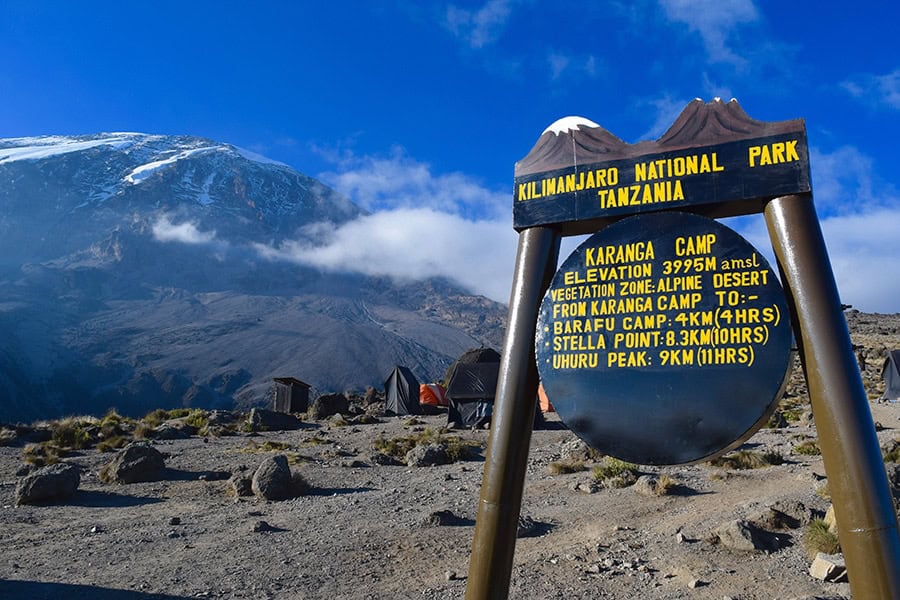
Karanga Camp

Karanga Camp

Acclimatisation camp, Kilimanjaro (3,995 m)

Tented camp on the south-eastern slopes with the summit cone overhead, a short, steep day for acclimatisation.

Kilimanjaro Summit Night

Day 5 · Kilimanjaro Summit Night

Barafu Base Camp

Rest before summit.

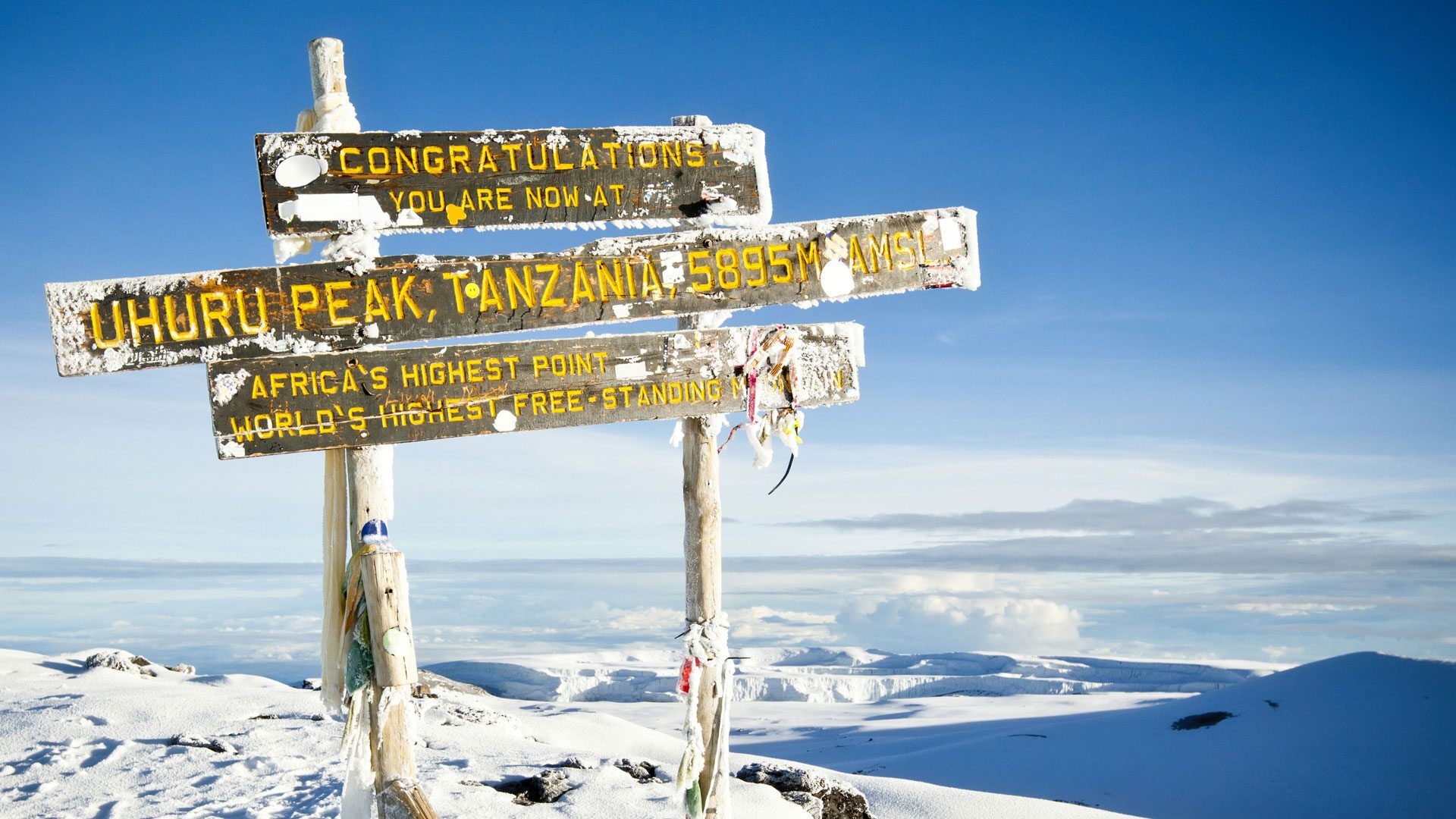
Summit night is the hardest and the most beautiful: a midnight start, headlamps strung up the scree, the lights of Moshi twinkling 5 km below. You aim to reach Stella Point at dawn and Uhuru Peak (5,895 m) shortly after.

After photos at the roof of Africa you descend, fast, through the ash desert and back into the heather zone to your final mountain camp. A long, hard, unforgettable day.

Breakfast, Lunch, DinnerSummit 5,895 m

Today's plan

  • Midnight start for the summit push
  • Stella Point (5,756 m) at sunrise
  • Uhuru Peak summit, 5,895 m
  • Descent to lower camp for celebration dinner

Where you sleep tonight

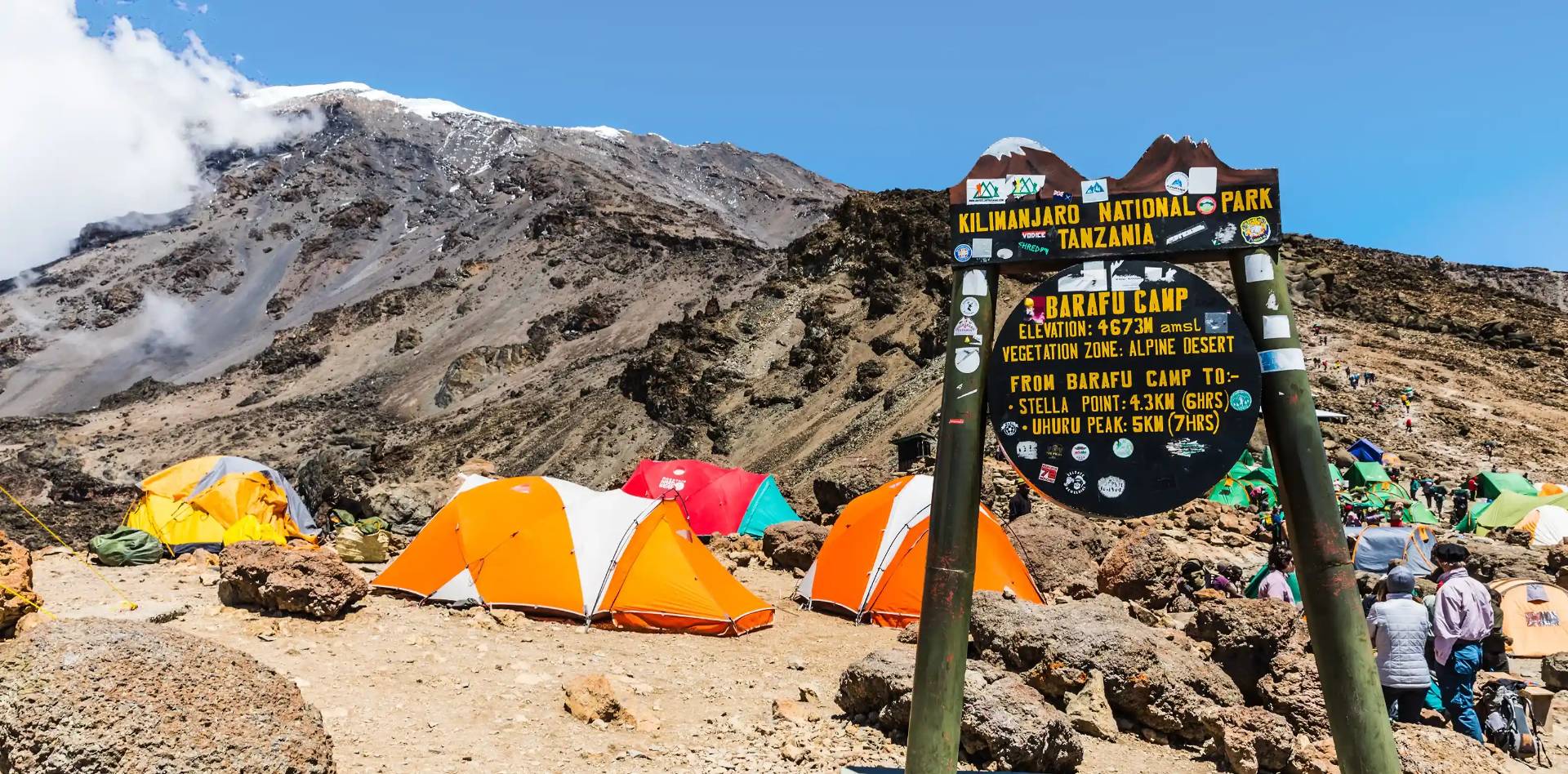
Barafu Camp

Barafu Camp

High camp, Kilimanjaro (4,673 m)

The summit-night basecamp on the alpine desert. You arrive in the afternoon, eat early and rest for the midnight push to Uhuru.

Kilimanjaro Summit Night

Day 6 · Kilimanjaro Summit Night

Summit Day

Uhuru Peak at dawn.

Summit night is the hardest and the most beautiful: a midnight start, headlamps strung up the scree, the lights of Moshi twinkling 5 km below. You aim to reach Stella Point at dawn and Uhuru Peak (5,895 m) shortly after.

After photos at the roof of Africa you descend, fast, through the ash desert and back into the heather zone to your final mountain camp. A long, hard, unforgettable day.

Breakfast, Lunch, DinnerSummit 5,895 m

Today's plan

  • Midnight start for the summit push
  • Stella Point (5,756 m) at sunrise
  • Uhuru Peak summit, 5,895 m
  • Descent to lower camp for celebration dinner

Where you sleep tonight

Mountain Tented Camp

Mountain Tented Camp

Three-season tent, Kilimanjaro

Spacious three-season tents with foam sleeping mats and a heated mess tent, set up by our porter team before you arrive at each camp.

Mount Kilimanjaro Trek

Day 7 · Mount Kilimanjaro Trek

Mweka Descent

Down through forest.

Kilimanjaro is Africa's highest mountain at 5,895 m and the highest free-standing peak in the world. Today you trek between camps, gaining altitude slowly to acclimatise, accompanied by your senior guide team, cook and porters.

Distance varies by day from 5 to 15 km. The mantra on Kili is pole pole, slowly slowly: a steady pace, plenty of water, three hot meals a day and an honest pulse-oximeter check every evening to track your acclimatisation.

Breakfast, Lunch, Dinner (on mountain)

Today's plan

  • Trek with your guide team between camps
  • Pulse-oximeter and acclimatisation check at camp
  • Three hot meals prepared by your mountain cook
  • Tea, snacks and a hot wash bowl on arrival

Where you sleep tonight

Mweka Camp

Mweka Camp

Tented camp, Kilimanjaro (3,100 m)

Final descent camp back in the forest zone, the long-awaited celebration dinner and the last night under canvas.

Mount Kilimanjaro Trek

Day 8 · Mount Kilimanjaro Trek

Mweka Gate

Certificate ceremony, return to Moshi.

Kilimanjaro is Africa's highest mountain at 5,895 m and the highest free-standing peak in the world. Today you trek between camps, gaining altitude slowly to acclimatise, accompanied by your senior guide team, cook and porters.

Distance varies by day from 5 to 15 km. The mantra on Kili is pole pole, slowly slowly: a steady pace, plenty of water, three hot meals a day and an honest pulse-oximeter check every evening to track your acclimatisation.

Breakfast, Lunch, Dinner (on mountain)

Today's plan

  • Trek with your guide team between camps
  • Pulse-oximeter and acclimatisation check at camp
  • Three hot meals prepared by your mountain cook
  • Tea, snacks and a hot wash bowl on arrival

Where you sleep tonight

Mweka Camp

Mweka Camp

Tented camp, Kilimanjaro (3,100 m)

Final descent camp back in the forest zone, the long-awaited celebration dinner and the last night under canvas.

Route map

8 Days Machame Route, route

  1. 1Arusha

What makes this trip special

Private journey

Your own vehicle, guide and pace, no shared safari.

Local expertise

Designed and led by Tanzanians who grew up beside these parks.

Photo-friendly

Pop-top vehicles, beanbags on request and unrushed stops at every sighting.

Good to know

Everything you need to plan, pack and travel with confidence.

Best time to travel

January–March and June–October are the prime windows: drier trails, clearer summit views and fewer storms. April–May (long rains) and November (short rains) are quieter, cheaper and still climbable, but expect wetter conditions.

Group size

Private and group climbs both available. Private climbs run with as few as 2 climbers; group departures typically 4 to 10 climbers. Every climber gets a personal porter for their duffel.

Physical rating

Strenuous to very strenuous depending on route. No technical climbing, but six to eight days of consecutive hiking at altitude. We strongly recommend three to six months of cardio training and at least one multi-day hike before departure.

Getting there

Fly into Kilimanjaro International Airport (JRO). Pre-climb hotel night in Moshi or Arusha is essential for the gear check and final briefing.

Visa & entry

USD 50 single-entry e-visa for most nationalities, applied for online at eservices.immigration.go.tz at least two weeks before travel. US passport holders need the USD 100 multiple-entry visa.

Currency & payments

US dollars (post-2009 bills only) are widely accepted; Tanzanian shillings for small purchases. Major lodges accept Visa and Mastercard but a small surcharge may apply.

Electricity

230 V, UK-style three-pin plugs (Type G). Most camps have charging in the main area; bring a universal adapter.

Connectivity

4G coverage across Arusha and Zanzibar, intermittent in the Serengeti and Ngorongoro. Most lodges have Wi-Fi in the main lounge. A local Vodacom or Airtel SIM is cheap and easy to buy at the airport.

Tipping guidance

A guideline, not an obligation. Around USD 25 per guest per day for your driver-guide and USD 10 per day for lodge staff (collective tip box). On Kilimanjaro, USD 20 to 25 per climber per day for the crew is standard.

Responsible travel

We are a Tanzanian-owned company and 100% of our guides, cooks and office staff are Tanzanian. Park fees flow directly to TANAPA and the Ngorongoro Conservation Area. Our camps follow leave-no-trace principles and we offset every vehicle kilometre through a verified East African reforestation program.

Booking & cancellation

A 20% deposit confirms your dates. Balance due 60 days before travel. If you need to cancel, you receive a credit note for the full amount paid, valid 2 years to rebook — subject to individual accommodation policies which may differ.

What to pack

  • Four-season sleeping bag rated to -10°C (rentable from us)
  • Waterproof shell jacket and pants
  • Insulated down jacket for summit night
  • Sturdy broken-in trekking boots and gaiters
  • Trekking poles, headlamp with spare batteries
  • Two 1L water bottles or hydration bladder (3L total capacity)
  • Sun hat, beanie, gloves and balaclava for summit night

Health & safety

  • Pre-climb medical check-up strongly advised, especially for over-50s
  • Diamox (acetazolamide) is widely used; ask your doctor
  • Mandatory travel insurance with high-altitude (>4,000 m) cover
  • Pulse-oximeter check by your guide every evening on the mountain

Photography

  • A lightweight camera is best — every gram matters on summit night
  • Spare batteries in an inside pocket; cold kills them fast
  • Wide angle for the crater and a small zoom for wildlife in the lower forest

Pricing, per person

Rates in USD, sharing twin/double accommodation. Final quote depends on chosen lodges and exact dates.

Solo2 Pax3 Pax4 Pax5 Pax6 Pax
$2,650$2,200$2,200$2,150$2,150$2,100

Per person, all park & camping fees, guides, porters and meals on the mountain included. "—" means group size not available for this route.

What's included

  • Park fees, camping & rescue fees
  • Professional certified guides, cooks & porters
  • Three meals daily on the mountain
  • Mountain tents, sleeping mats & mess tent
  • Oxygen cylinder & pulse oximeter
  • Airport transfers and pre/post hotel transfers

Not included

  • Sleeping bag (rentable)
  • Pre/post climb hotel nights
  • Tips for the mountain crew
  • Personal trekking gear
  • Travel insurance with high-altitude cover

Frequently asked

What's the summit success rate?+

Our overall success rate is 95%+ on 7-day routes and higher on Lemosho and Northern Circuit thanks to better acclimatisation.

Do I need experience?+

No technical climbing experience is required, but you should be in good health and able to walk 5–7 hours per day.

Are porters paid fairly?+

Yes. Our porter wages, loads and meals are independently audited.

Suggested reading

Plan with our journal

Similar journeys

You may also like