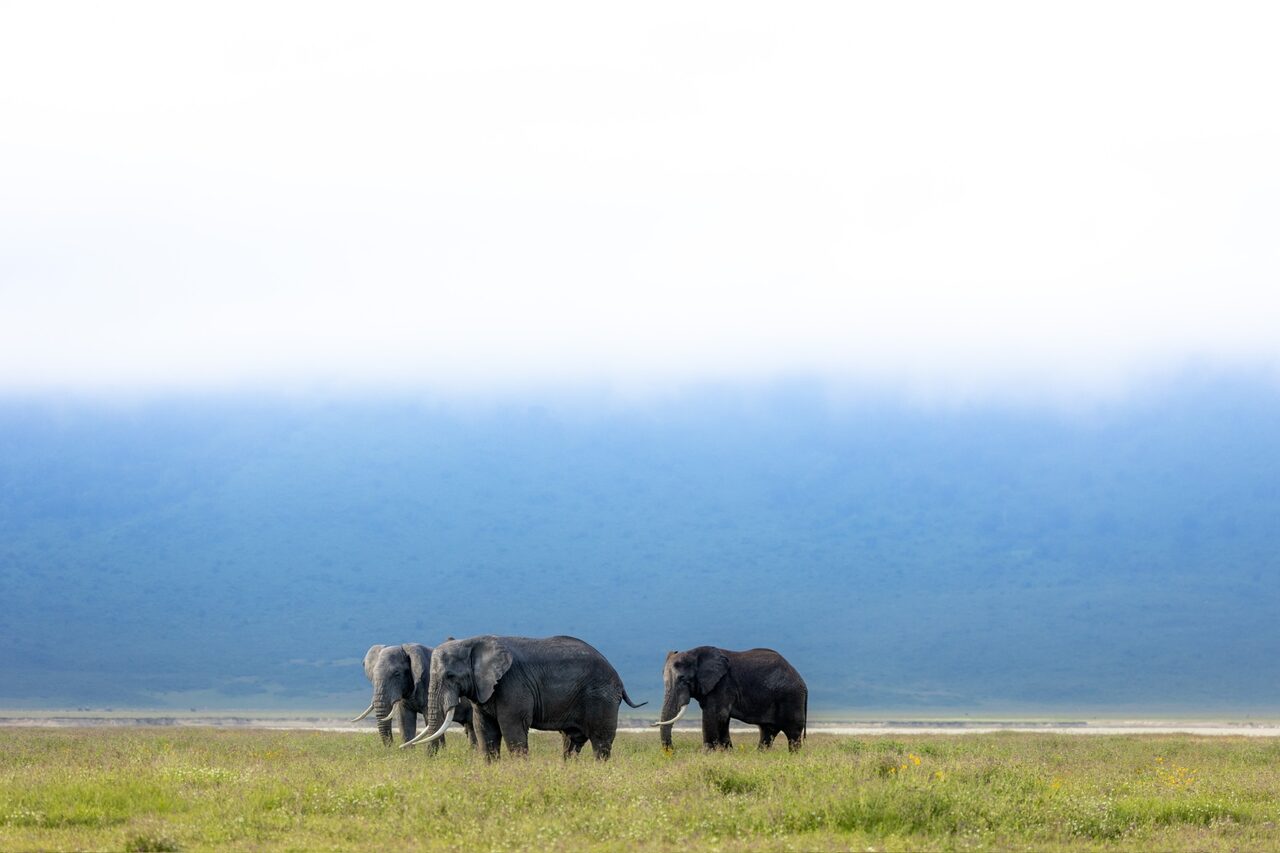
Ngorongoro Conservation Area
The world's largest unbroken caldera.
Best Time
Year-round (cool, often misty)
Region
Crater Highlands
Area
260 km² (crater floor)
Altitude
1,800m crater floor / 2,400m rim
Overview
About Ngorongoro
A 600-metre-deep caldera that holds an entire ecosystem, black rhino, lion prides, flamingo lakes and Maasai herders all inside the same 260 km² bowl.
A UNESCO World Heritage masterpiece
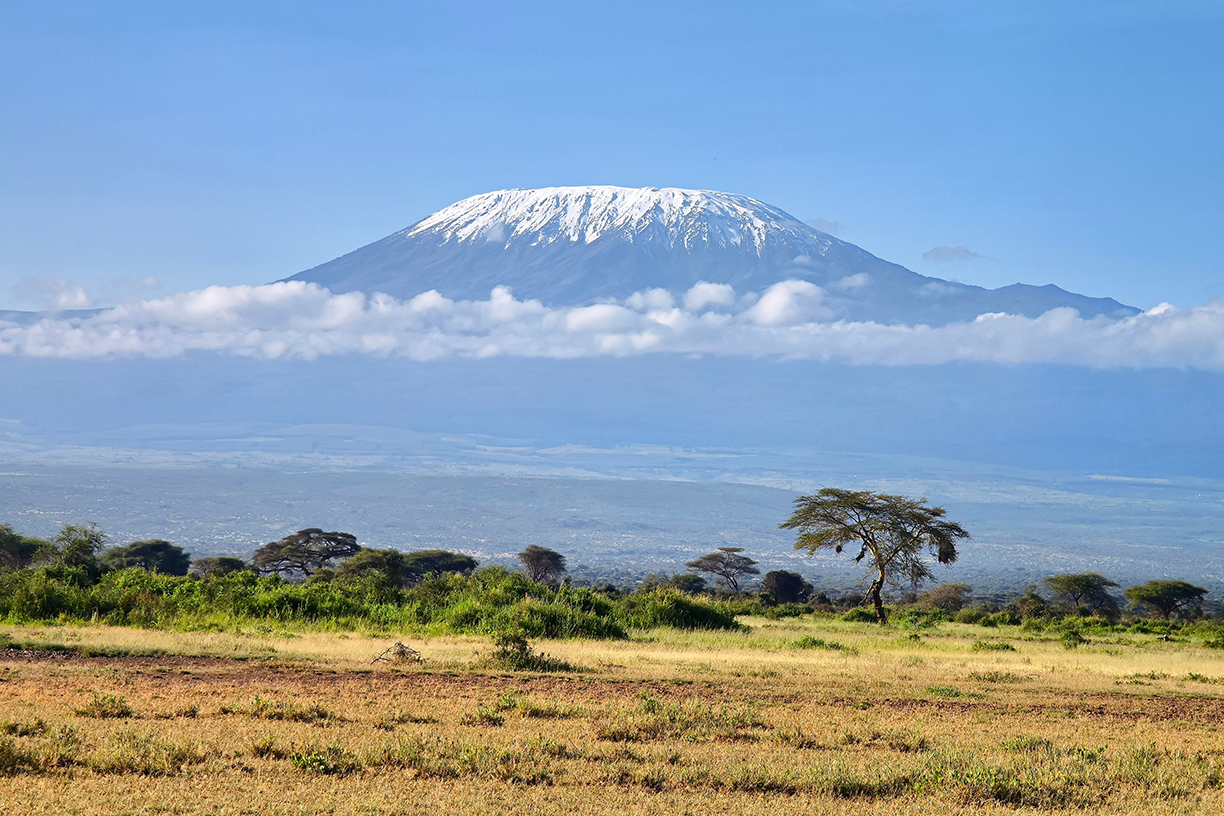
The Ngorongoro Crater is the world's largest unflooded, unbroken volcanic caldera. It collapsed two to three million years ago when a giant volcano (once the size of Kilimanjaro) imploded. The 600m walls now enclose 260 km² of grassland, lakes, swamps and acacia woodland that hold one of the densest concentrations of large mammals on earth.
Wildlife inside the crater
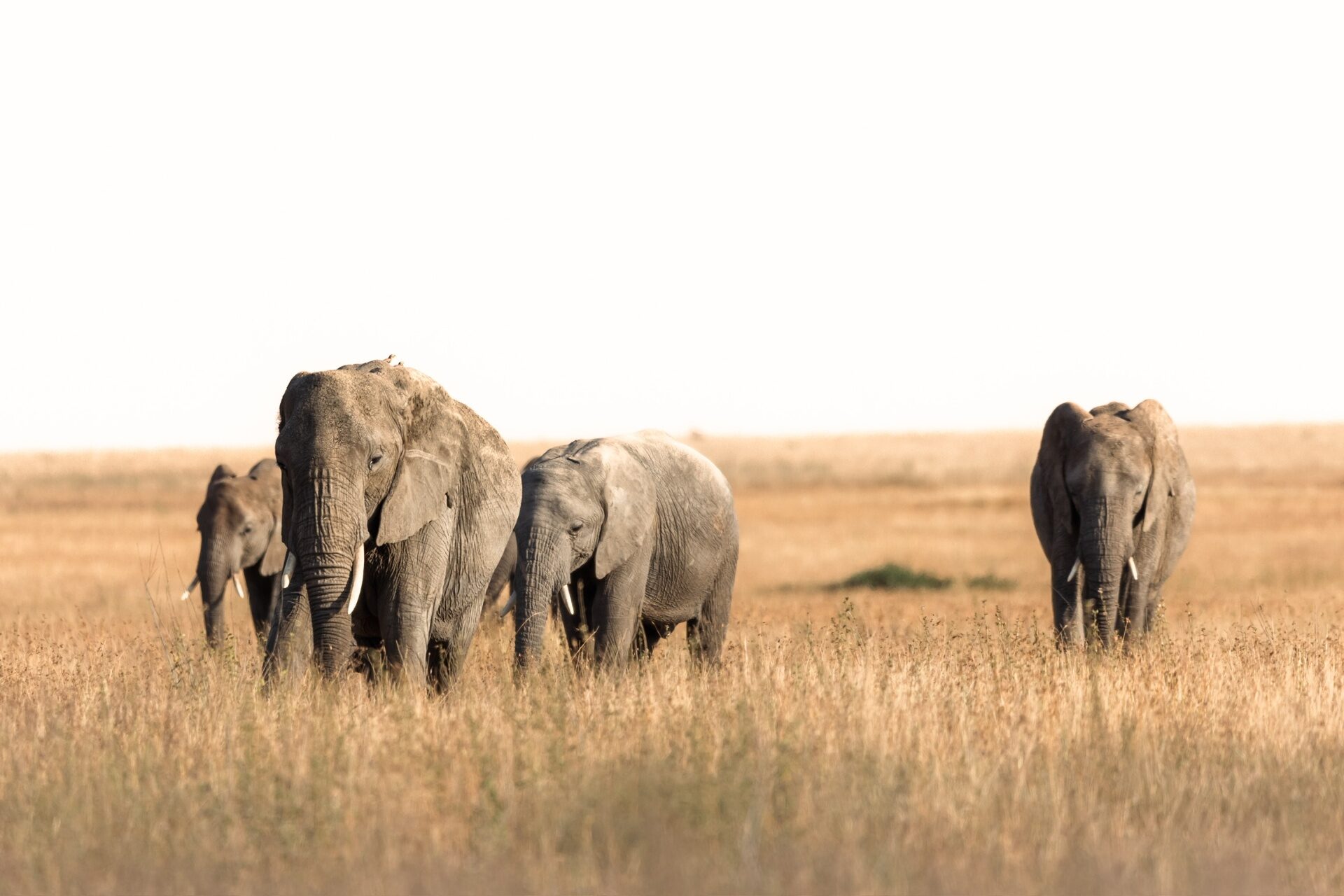
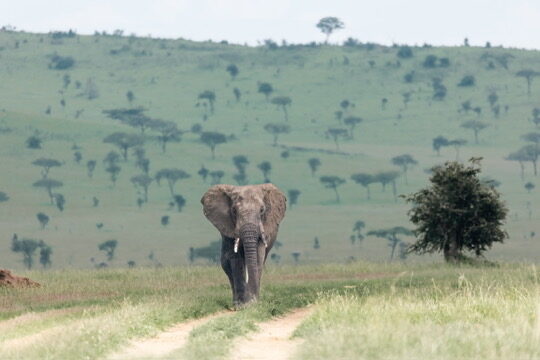
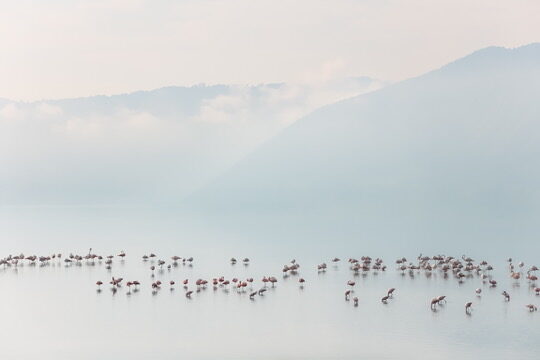
Around 25,000 large animals live on the crater floor. It is the best place in Tanzania to see the critically endangered black rhino, and you can reasonably expect to tick off the Big Five in a single day. Resident lion prides, large bull elephants, hippo pods, hyena clans and Lake Magadi's flamingos are all close together, which means short drives between sightings.
Beyond the crater
The wider Ngorongoro Conservation Area covers 8,300 km² and includes Olduvai Gorge (the cradle of mankind), Shifting Sands, Empakaai and Olmoti craters, and active Maasai bomas where you can visit families who still herd their cattle inside the conservation area.
Wildlife you'll see
- Black rhino
- Lion
- Hyena
- Flamingo
- Buffalo
Highlights
- ✦Black rhino sightings
- ✦Maasai cultural encounters
- ✦Crater rim views
Things to do
When to go
Cool, dry, classic crater game-viewing.
Green and quieter, the rim is misty and dramatic.
Getting there
3-hour drive from Arusha or 30 minutes from the Serengeti's eastern boundary.
On the map
Ngorongoro Conservation Area
- 1Ngorongoro Conservation Area
Insider tips
- ★Get to the crater descent gate by 6:30am - early light, fewer vehicles and the best predator activity.
- ★Pack a fleece for the rim. It is often misty and 10 degrees cooler up top than on the floor.
- ★Stay on the rim for at least one night so you can do a full crater day without rushing.
Frequently asked questions
Can I drive into the crater myself?+
No. You need a licensed guide and a registered 4x4. We handle permits, vehicle and guide as part of every itinerary.
How long do I spend in the crater?+
Park rules allow a maximum of six hours on the crater floor per descent. We plan a full picnic-lunch day so you make the most of it.
Is the crater good for families?+
Yes - the dense game and short distances are ideal for children. We pair it with the gentler day trips at Lake Manyara.
Tours
Journeys that visit Ngorongoro
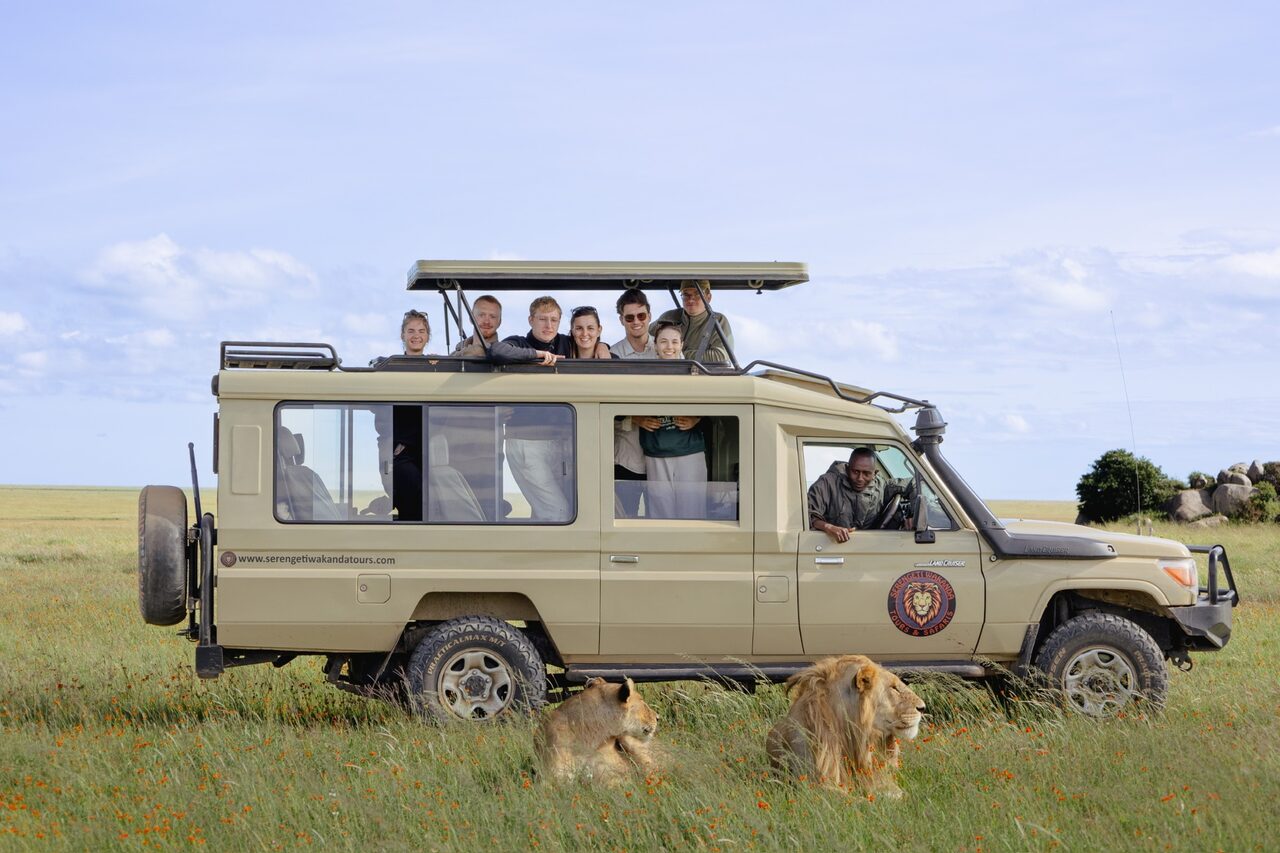
7-Day Northern Circuit Classic Safari
The complete Northern Circuit, Tanzania's greatest hits in one trip.
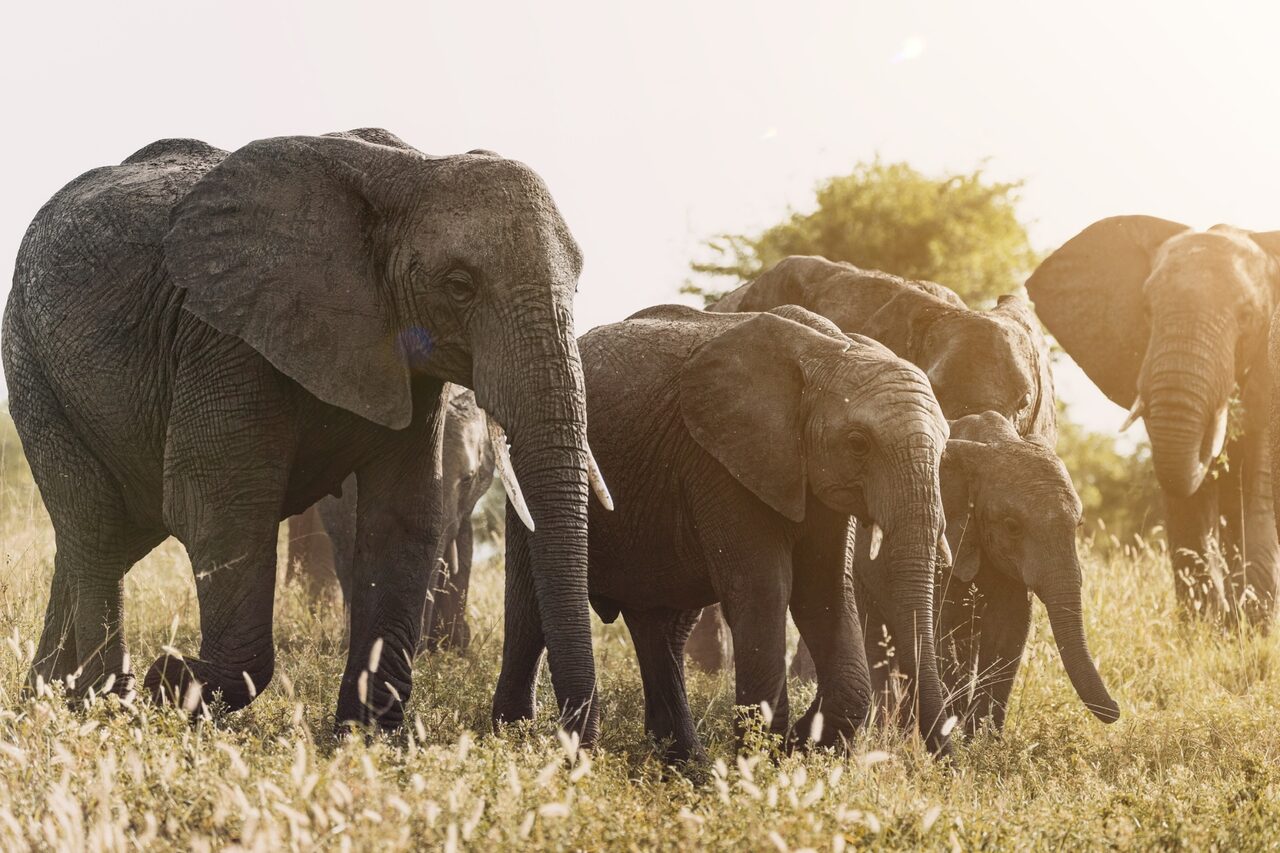
7-Day Tanzania Safari: Tarangire, 3 Nights in Serengeti & Ngorongoro Crater
The best of the Northern Circuit with three relaxed nights inside the Serengeti.
5-Day Northern Circuit Safari & Fly-out to Zanzibar
A classic Northern Circuit safari ending with a bush flight straight to the beaches of Zanzibar.
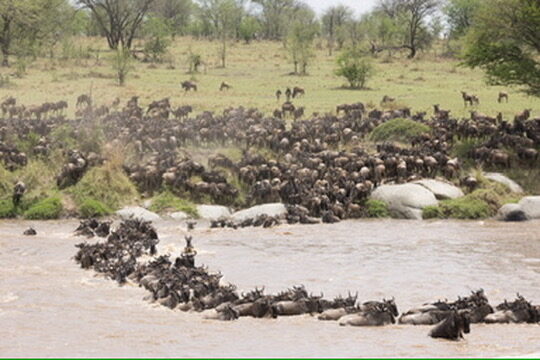
7-Day Great Migration River Crossing Safari
Follow the herds from the southern plains to the dramatic Mara River crossings.
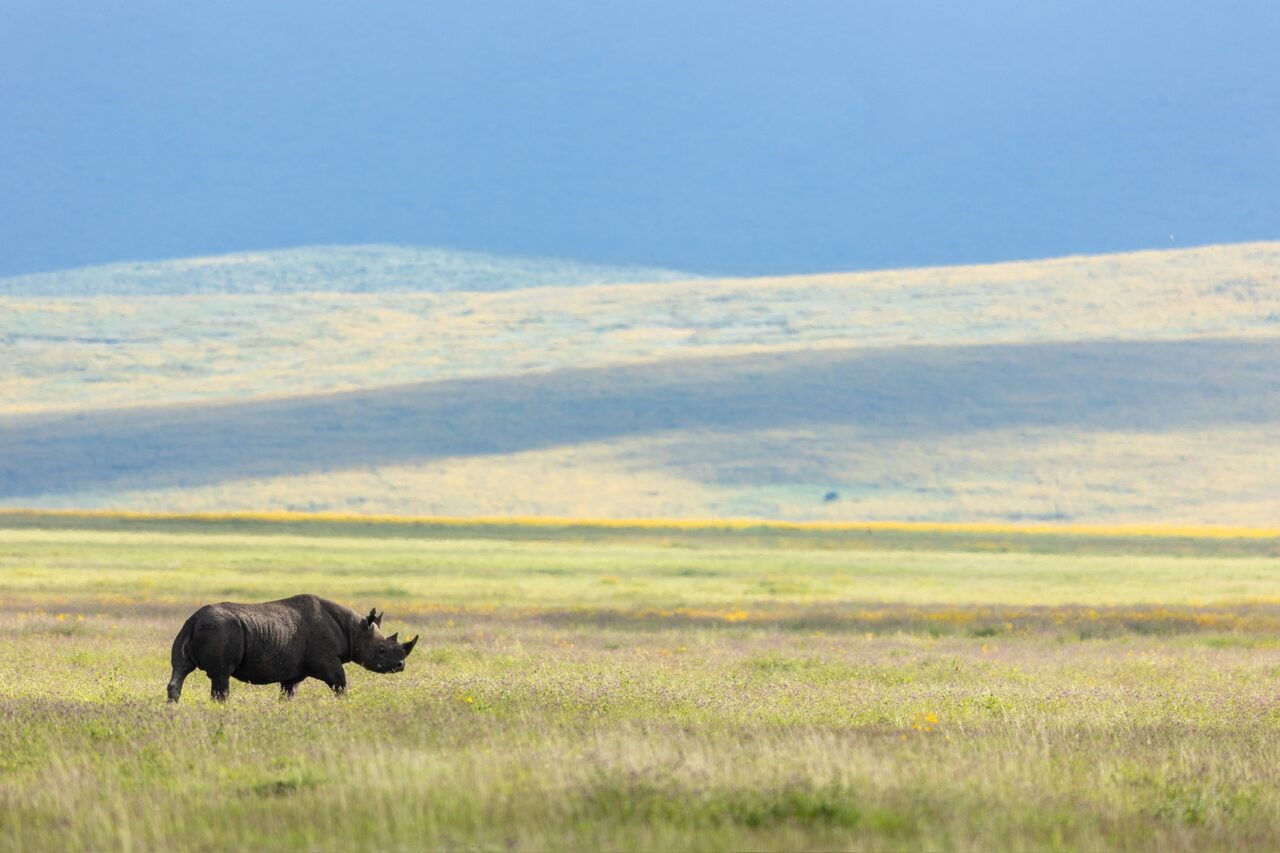
7-Day Black Rhino Tracking Luxury Safari
A rare encounter with one of Africa's most endangered icons.

8-Day Big 5 Camping Safari & Visiting the Hadzabe
All Big 5 plus an authentic morning with the Hadzabe hunter-gatherers.
From the journal
Read about Ngorongoro
Continue exploring