9-Day Private Budget with Walking Safari & Kilimanjaro

Budget-friendly safari, walking mornings and a Kilimanjaro day-hike.

Duration

9 Days / 8 Nights

From

$1,710 pp

Style

Private journey

Overview

A nine-day budget private safari with two walking-safari mornings and a Kilimanjaro day-hike to Mandara Hut to round it off.

Highlights

  • Budget-friendly
  • 2 walking mornings
  • Kili day-hike
  • 4 parks

Day-by-day itinerary

Sample programme. Every journey is private and can be paced or extended to suit you.

Mount Kilimanjaro Trek

Day 1 · Mount Kilimanjaro Trek

Pick up from Arusha or Kilimanjaro Airport

You will be picked up from either Kilimanjaro or Arusha Airport and dropped off at Karibu Heritage House. If time allows (depending on your arrival), you will have the option to do an Arusha city tour, visiting the famous art gallery, the Cultural Heritage Centre, the local market, and the Maasai market. Overnight at Karibu Heritage House • Budget hotel located in or near Arusha.

Kilimanjaro is Africa's highest mountain at 5,895 m and the highest free-standing peak in the world. Today you trek between camps, gaining altitude slowly to acclimatise, accompanied by your senior guide team, cook and porters.

Distance varies by day from 5 to 15 km. The mantra on Kili is pole pole, slowly slowly: a steady pace, plenty of water, three hot meals a day and an honest pulse-oximeter check every evening to track your acclimatisation.

Breakfast, Lunch, Dinner (on mountain)

Today's plan

  • Trek with your guide team between camps
  • Pulse-oximeter and acclimatisation check at camp
  • Three hot meals prepared by your mountain cook
  • Tea, snacks and a hot wash bowl on arrival

Where you sleep tonight

Karibu Heritage House

Karibu Heritage House

Guesthouse in Arusha

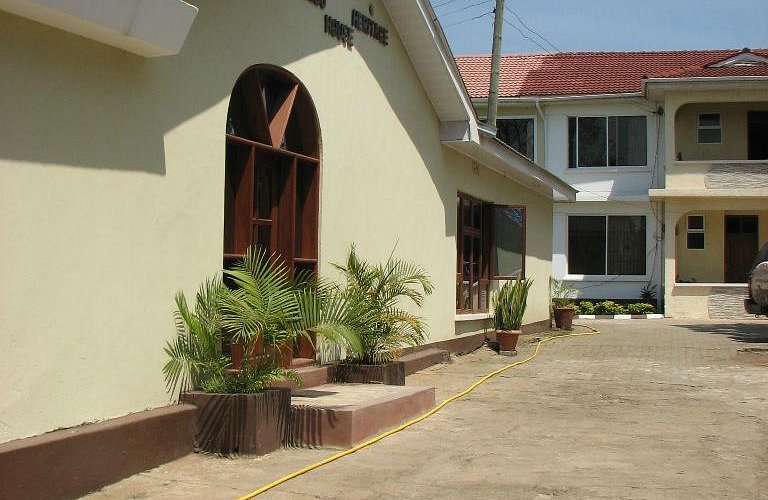
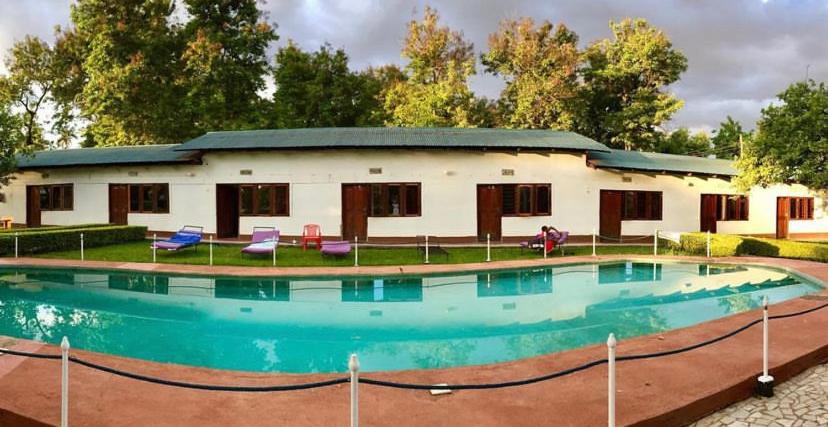
Warm, owner-run guesthouse in Arusha — the trusted first/last-night base for our camping and trekking guests.

Arusha

Day 2 · Arusha

Arusha to Arusha National Park

Your guide will pick you up from your hotel at 7:45 am and drive for an hour to the park’s entry gate. Arusha National Park has an awe-inspiring blend of vegetation which includes swamps, grasslands, and montane forest. The mountain slopes of Meru are swathed in tropical rainforests. It is home to the black-and-white colobus monkeys and flamingos at Momella Lake. It’s a unique ecosystem that attracts thousands of animals and birds including flamingos. A walking safari will get you up close to the animals. You will later drive back to Arusha for dinner and overnight. Overnight at Karibu Heritage House • Budget hotel located in or near Arusha.

Arusha sits at 1,400 m at the foot of Mount Meru, a green coffee town and the gateway to the Northern Circuit. Today is for resting, sorting kit and meeting your guide properly.

If you arrive early there is time to walk the coffee plantations, browse the Maasai market or visit a local Tinga Tinga art studio. Otherwise simply enjoy the gardens, the pool and a quiet first dinner under the African sky.

Breakfast, Lunch, Dinner

Today's plan

  • Coffee farm walk and tasting (optional)
  • Maasai market or Cultural Heritage Centre
  • Trip briefing and kit check with your guide

Where you sleep tonight

Karibu Heritage House

Karibu Heritage House

Guesthouse in Arusha

Warm, owner-run guesthouse in Arusha — the trusted first/last-night base for our camping and trekking guests.

Tarangire National Park

Day 3 · Tarangire National Park

Arusha to Tarangire National Park

After breakfast, we pick you up from your hotel at 8 am and drive for 2 hours and 20 minutes to Tarangire National Park. The park is well known for its large elephant herds and abundance of ancient baobab trees (the largest trees on the continent). From the open roof of the vehicle, we will experience the seasonal swamps, savannah, and Tarangire River which is full of wildlife ranging from a large variety of birds to giraffes, impalas, zebras, lions, leopards, elands, warthogs and elephants. The picnic site has a spectacular view. We will have our picnic lunch there and proceed with game viewing before continuing to the camp for dinner and overnight. Overnight at Budget camping • Inside Tarangire NP.

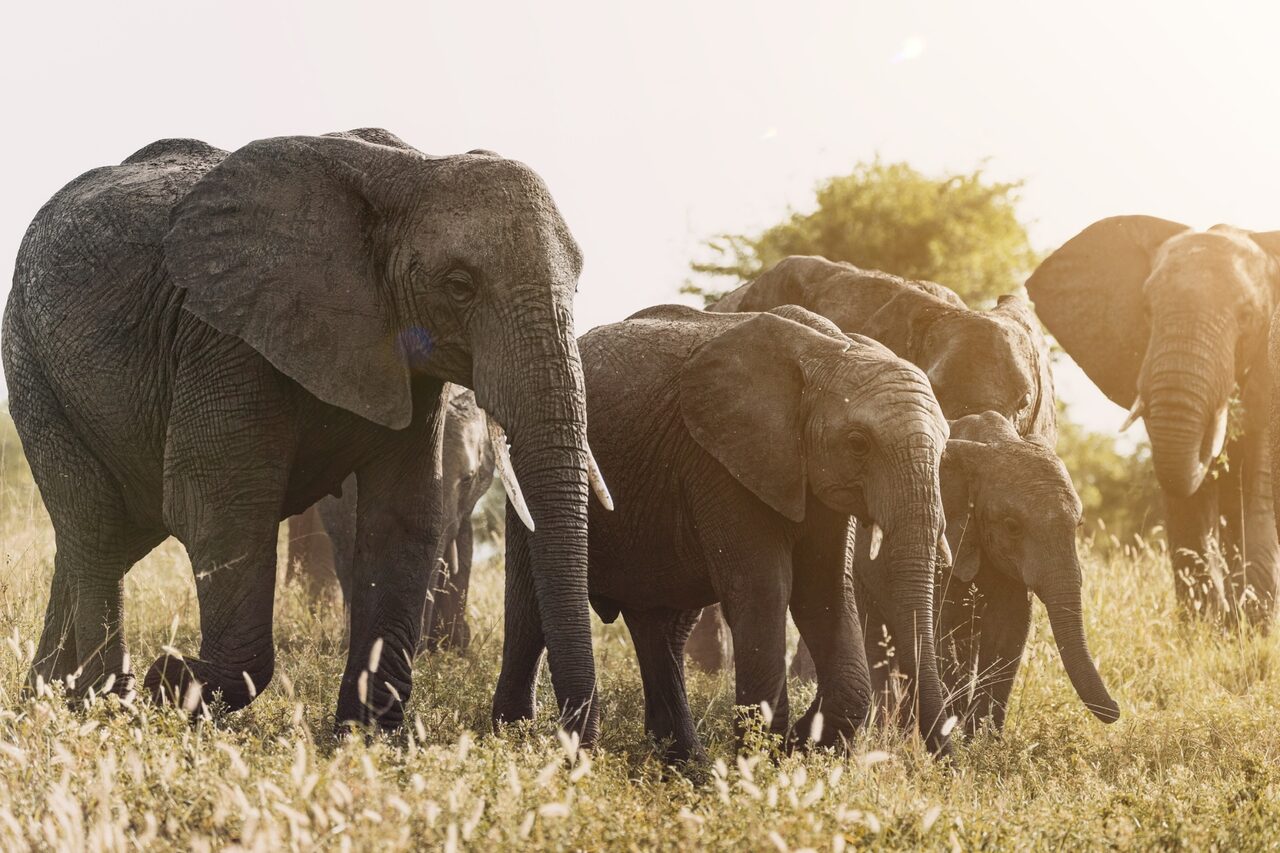
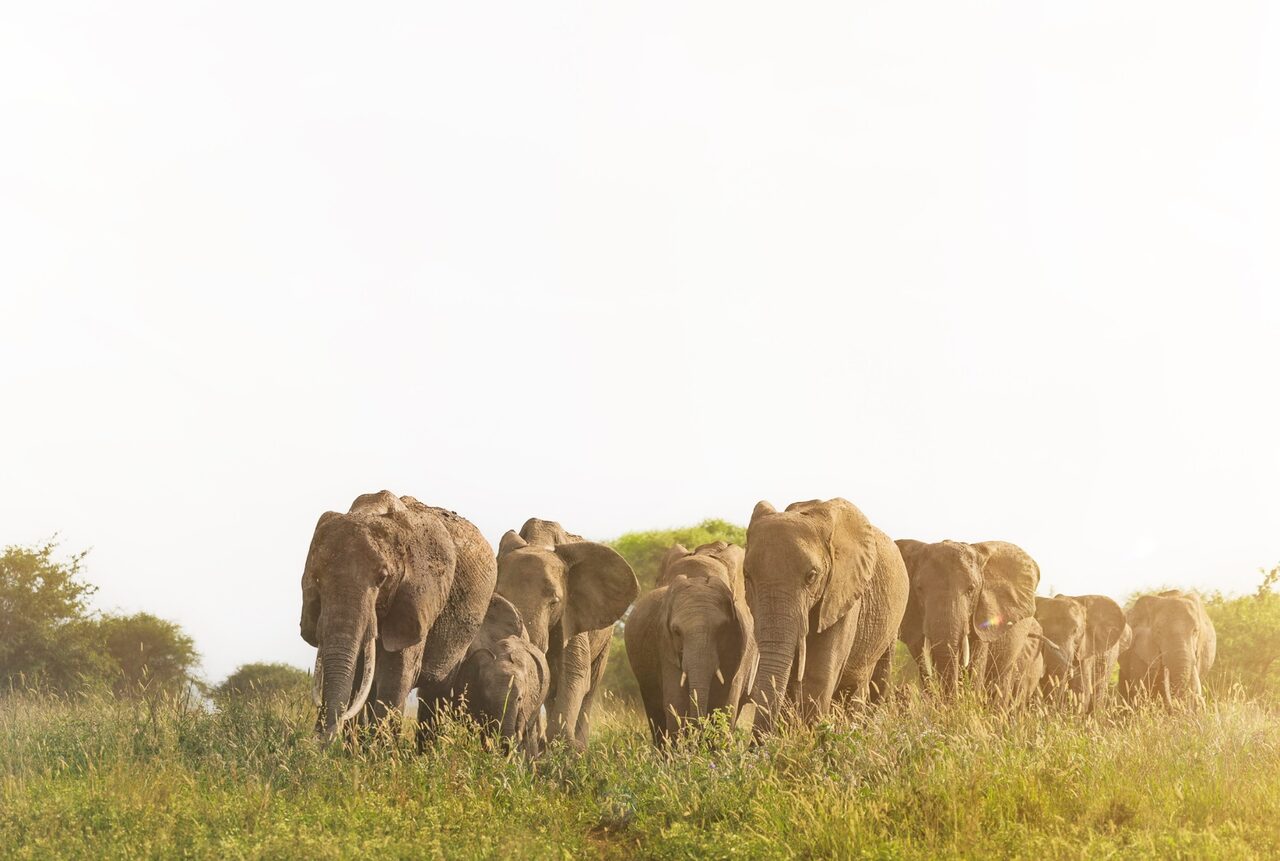
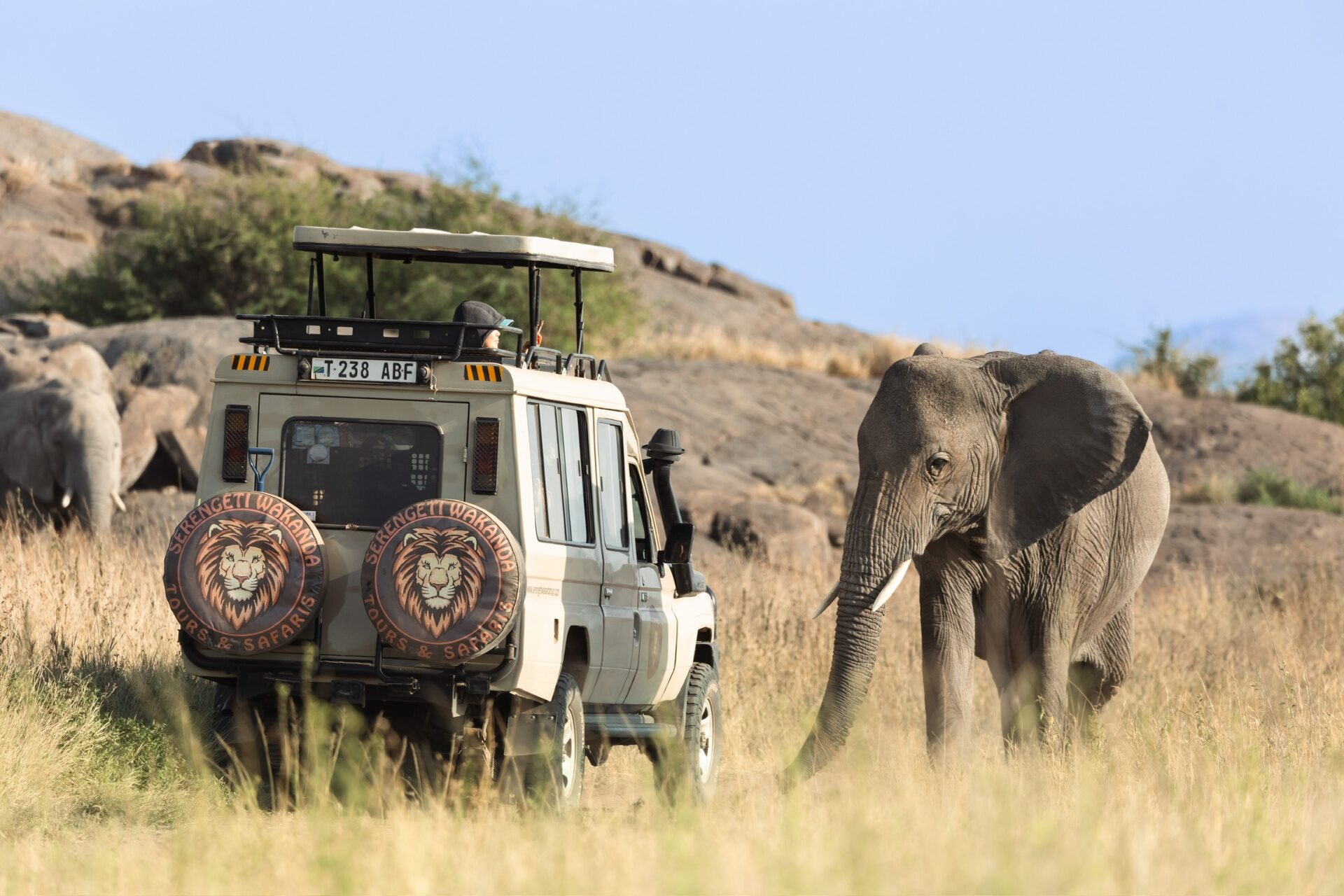
Tarangire is the elephant capital of northern Tanzania. In the dry season the Tarangire River is the only permanent water for miles, and herds of up to 250 elephants come down to drink, calves tumbling between their mothers' legs.

You spend the day on a private game drive through baobab-studded floodplains: lions resting in the shade, giraffe browsing acacia tops, fringe-eared oryx and the strange dwarf mongoose colonies. We pack a hot picnic lunch so you can stay in the park while the light is good.

Breakfast, Lunch, Dinner~150 km from Arusha, ~3 hrs

Today's plan

  • Full-day private 4×4 game drive in Tarangire
  • Picnic lunch overlooking the Tarangire River
  • Photograph the giant baobabs and elephant herds
  • Sundowner back at camp with the sounds of the bush

Where you sleep tonight

Budget camping inside Tarangire NP

Budget camping inside Tarangire NP

Public campsite, Tarangire NP

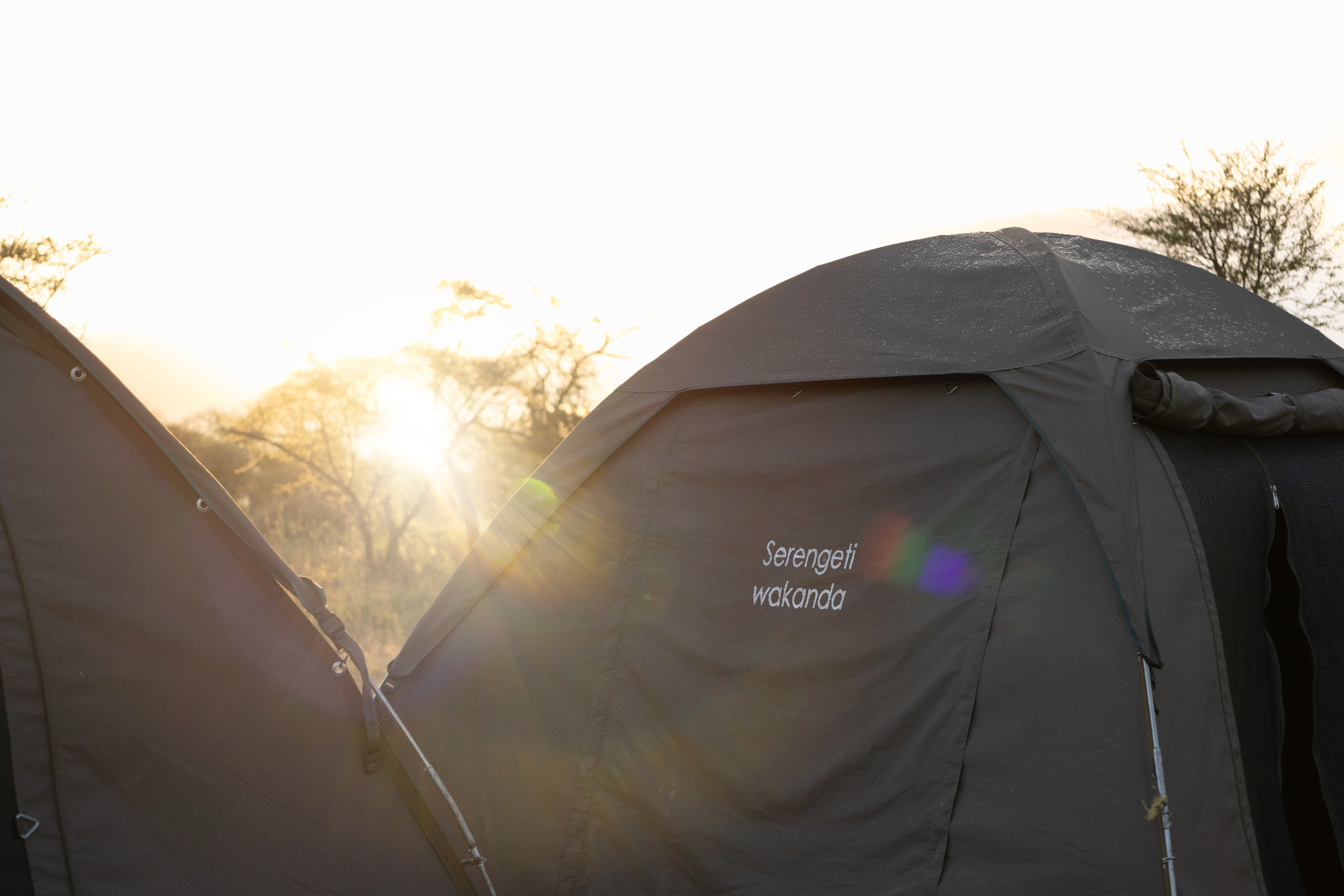
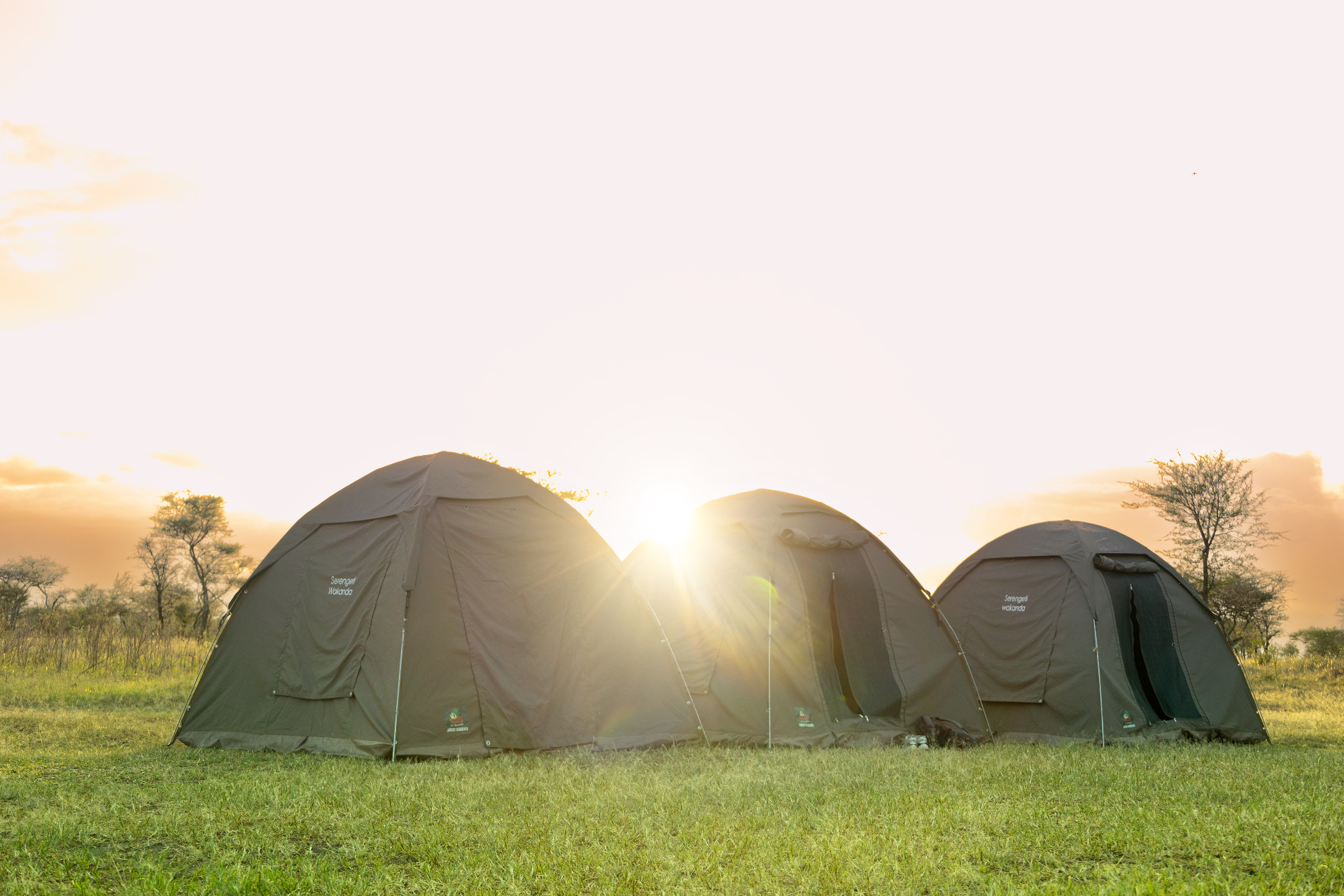
Authentic public campsite inside Tarangire — dome tents, bush kitchen, elephants drinking from the river below.

Tarangire National Park

Day 4 · Tarangire National Park

Tarangire to Mto Wa Mbu (Cultural Tourism)

Wake up early in the morning for a sunrise game drive. After breakfast, we will continue our game drive in Tarangire in the morning and will then depart for Mto Wa Mbu to have lunch and participate in a cultural tour. The afternoon will focus on visiting the local tribes, banana farms, rice plantations, artworks, forests, and waterfalls of the area. You can choose to have a walking or a bike tour. Dinner and overnight will be at Fig Tree Lodge. Overnight at Fig Tree Lodge & Camp • Budget hotel located in or near Mto wa Mbu.

Tarangire is the elephant capital of northern Tanzania. In the dry season the Tarangire River is the only permanent water for miles, and herds of up to 250 elephants come down to drink, calves tumbling between their mothers' legs.

You spend the day on a private game drive through baobab-studded floodplains: lions resting in the shade, giraffe browsing acacia tops, fringe-eared oryx and the strange dwarf mongoose colonies. We pack a hot picnic lunch so you can stay in the park while the light is good.

Breakfast, Lunch, Dinner~150 km from Arusha, ~3 hrs

Today's plan

  • Full-day private 4×4 game drive in Tarangire
  • Picnic lunch overlooking the Tarangire River
  • Photograph the giant baobabs and elephant herds
  • Sundowner back at camp with the sounds of the bush

Where you sleep tonight

Fig Tree Lodge & Camp

Fig Tree Lodge & Camp

Lodge & camp near Tarangire NP

Family-run lodge and camp just outside Tarangire's main gate, with simple chalets, pool and bush dinners under the figs.

Central Serengeti (Seronera)

Day 5 · Central Serengeti (Seronera)

Mto wa Mbu to Central Serengeti

After breakfast, we will proceed to Serengeti. A long and bumpy road will take you on a 4- to 5-hour fascinating game drive, driving up the crater highlands toward the vast plains of Serengeti. We will stop for a picnic lunch at Naabi Hill Gate in Serengeti before we check in at the park for an afternoon drive. After catching the sunset, we will proceed to Lala Salama Serengeti Camp for dinner and overnight. Overnight at Lala Salama Serengeti Camp • Mid-range tented camp located inside Central Serengeti.

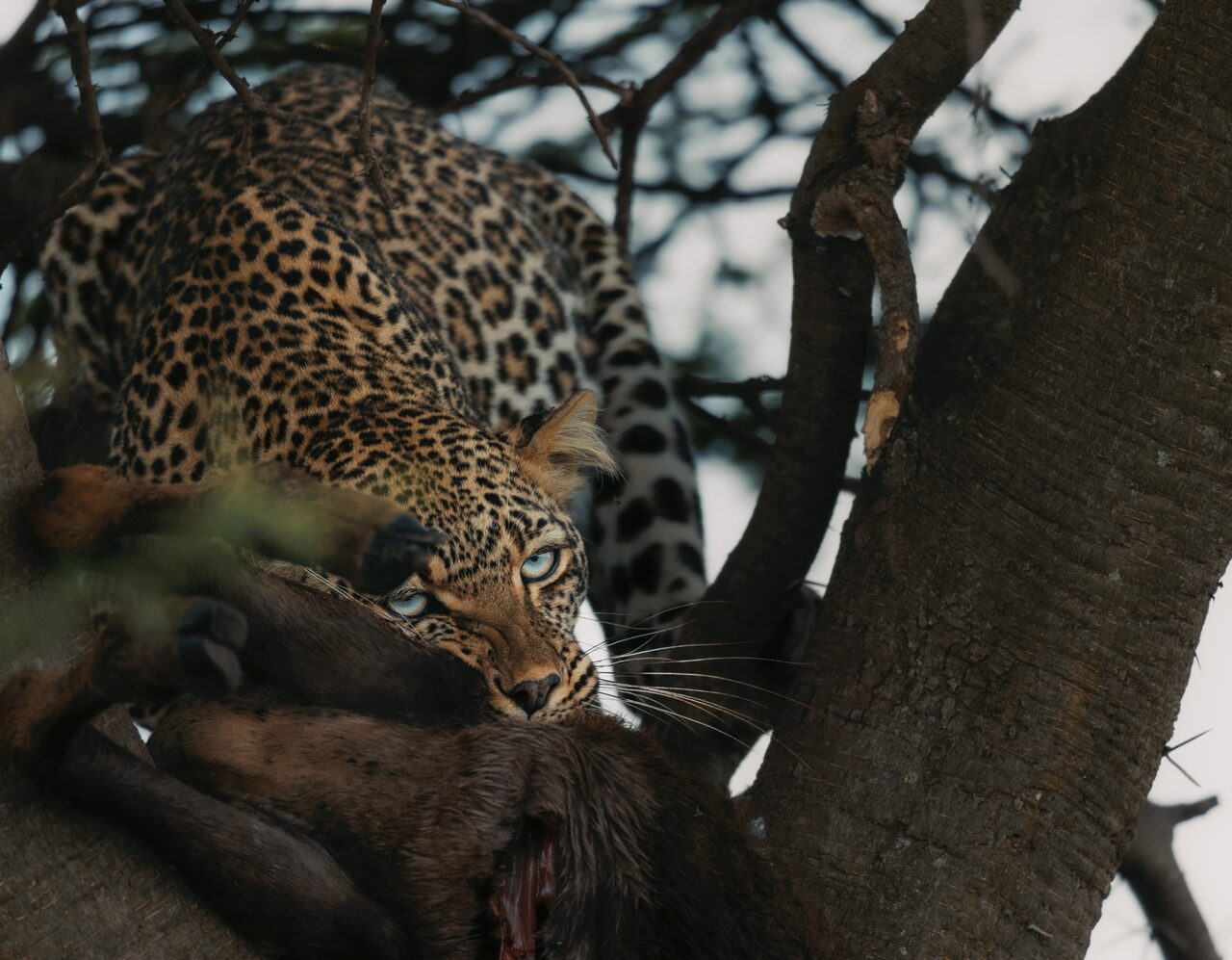
The Seronera valley is the heart of the Serengeti and a year-round game-viewing area. Permanent water, rocky kopjes and short-grass plains create the highest density of big cats in Africa: roughly 1 lion per 10 km², and the best leopard sightings on the circuit.

Mornings start before sunrise to catch the cats while they are still active; midday is a slow picnic in the shade of an acacia. In the afternoon we work the riverine fig trees for leopards and the kopjes for resting prides. Distances are long but every stop is worth it.

Breakfast, Lunch, Dinner~145 km from Ngorongoro gate, ~3.5 hrs in-park

Today's plan

  • Dawn departure for prime cat activity
  • Picnic lunch on a Seronera kopje
  • Search the fig trees for leopards
  • Optional hot-air balloon safari at sunrise (extra)

Where you sleep tonight

Lala Salama Serengeti Camp

Lala Salama Serengeti Camp

Tented camp, Serengeti

Classic tented camp pitched in the heart of the Serengeti — warm hosting, hearty bush meals and easy access to the plains right from your tent flap.

Central Serengeti (Seronera)

Day 6 · Central Serengeti (Seronera)

Serengeti National Park

Today, we will spend the whole day in the park. We head out and start to explore at sunrise and return to the campsite for breakfast. We then pack our lunch and go for a full-day game drive exploring the beautiful scenery of Serengeti, searching for the Big 5. There is more to Serengeti than only large mammals. More than 500 bird species were recorded here, ranging from the oversized ostriches and bizarre secretary birds of the open grassland, to the black eagles that soar effortlessly above the savannah. We will continue to search for the Serengeti’s wildlife and return to camp at sunset for dinner and overnight. Overnight at Lala Salama Serengeti Camp • Mid-range tented camp located inside Serengeti NP.

The Seronera valley is the heart of the Serengeti and a year-round game-viewing area. Permanent water, rocky kopjes and short-grass plains create the highest density of big cats in Africa: roughly 1 lion per 10 km², and the best leopard sightings on the circuit.

Mornings start before sunrise to catch the cats while they are still active; midday is a slow picnic in the shade of an acacia. In the afternoon we work the riverine fig trees for leopards and the kopjes for resting prides. Distances are long but every stop is worth it.

Breakfast, Lunch, Dinner~145 km from Ngorongoro gate, ~3.5 hrs in-park

Today's plan

  • Dawn departure for prime cat activity
  • Picnic lunch on a Seronera kopje
  • Search the fig trees for leopards
  • Optional hot-air balloon safari at sunrise (extra)

Where you sleep tonight

Lala Salama Serengeti Camp

Lala Salama Serengeti Camp

Tented camp, Serengeti

Classic tented camp pitched in the heart of the Serengeti — warm hosting, hearty bush meals and easy access to the plains right from your tent flap.

Central Serengeti (Seronera)

Day 7 · Central Serengeti (Seronera)

Serengeti to Ngorongoro Highlands

Today we will leave the campsite early (at around 6 am) for a sunrise game drive and to spot the animals when they are most active. We will then stop at a picnic site to enjoy breakfast in the bush and continue with the game drive before returning to the camp for a hot lunch. We will load the vehicle, depart from the camp and continue to Ngorongoro where we will have dinner and overnight at Simba Campsite. Overnight at Budget camping • Inside Ngorongoro Highlands.

The Seronera valley is the heart of the Serengeti and a year-round game-viewing area. Permanent water, rocky kopjes and short-grass plains create the highest density of big cats in Africa: roughly 1 lion per 10 km², and the best leopard sightings on the circuit.

Mornings start before sunrise to catch the cats while they are still active; midday is a slow picnic in the shade of an acacia. In the afternoon we work the riverine fig trees for leopards and the kopjes for resting prides. Distances are long but every stop is worth it.

Breakfast, Lunch, Dinner~145 km from Ngorongoro gate, ~3.5 hrs in-park

Today's plan

  • Dawn departure for prime cat activity
  • Picnic lunch on a Seronera kopje
  • Search the fig trees for leopards
  • Optional hot-air balloon safari at sunrise (extra)

Where you sleep tonight

Ngorongoro Simba Campsite

Ngorongoro Simba Campsite

Public campsite, crater rim

Legendary crater-rim public campsite — dome tents pitched on the very edge of Ngorongoro at 2,400 m.

Ngorongoro Crater

Day 8 · Ngorongoro Crater

Ngorongoro Crater

Today, we will board the safari vehicle at 6 am and descend to the crater with our packed breakfast. This stunning place will offer you almost every species of wildlife indigenous to East Africa including the rare black rhino, and if we are lucky, we might spot one. Measuring an area of 260 square kilometers and extending about 20 kilometers in diameter, we will need about 5 to 6 hours to explore it. Ascend back to the campsite for lunch and drive to Karibu Heritage House in Arusha for dinner and overnight. Overnight at Karibu Heritage House • Budget hotel located in or near Arusha.

The Ngorongoro Crater is a 260 km² collapsed caldera with 600 m walls, and the highest density of large mammals on Earth. Inside the crater floor live around 25,000 large animals, including the densest population of black-maned lions and one of the last strongholds of the eastern black rhino.

We descend at first light when the floor is still in shadow and the cats are working. A picnic breakfast on the rim, a full morning circuit past the soda lake's flamingos and Lerai Forest's elephants, then a climb back up the escarpment in time for a late lunch.

Breakfast, Lunch, DinnerCrater floor circuit ~6 hrs, 4×4 onlyRim 2,400 m, floor 1,800 m

Today's plan

  • Crater descent at first light
  • Search for the Big Five including black rhino
  • Picnic breakfast on the crater floor
  • Lerai Forest elephants and Munge soda flats

Where you sleep tonight

Karibu Heritage House

Karibu Heritage House

Guesthouse in Arusha

Warm, owner-run guesthouse in Arusha — the trusted first/last-night base for our camping and trekking guests.

Mount Kilimanjaro Trek

Day 9 · Mount Kilimanjaro Trek

Arusha to Kilimanjaro National Park

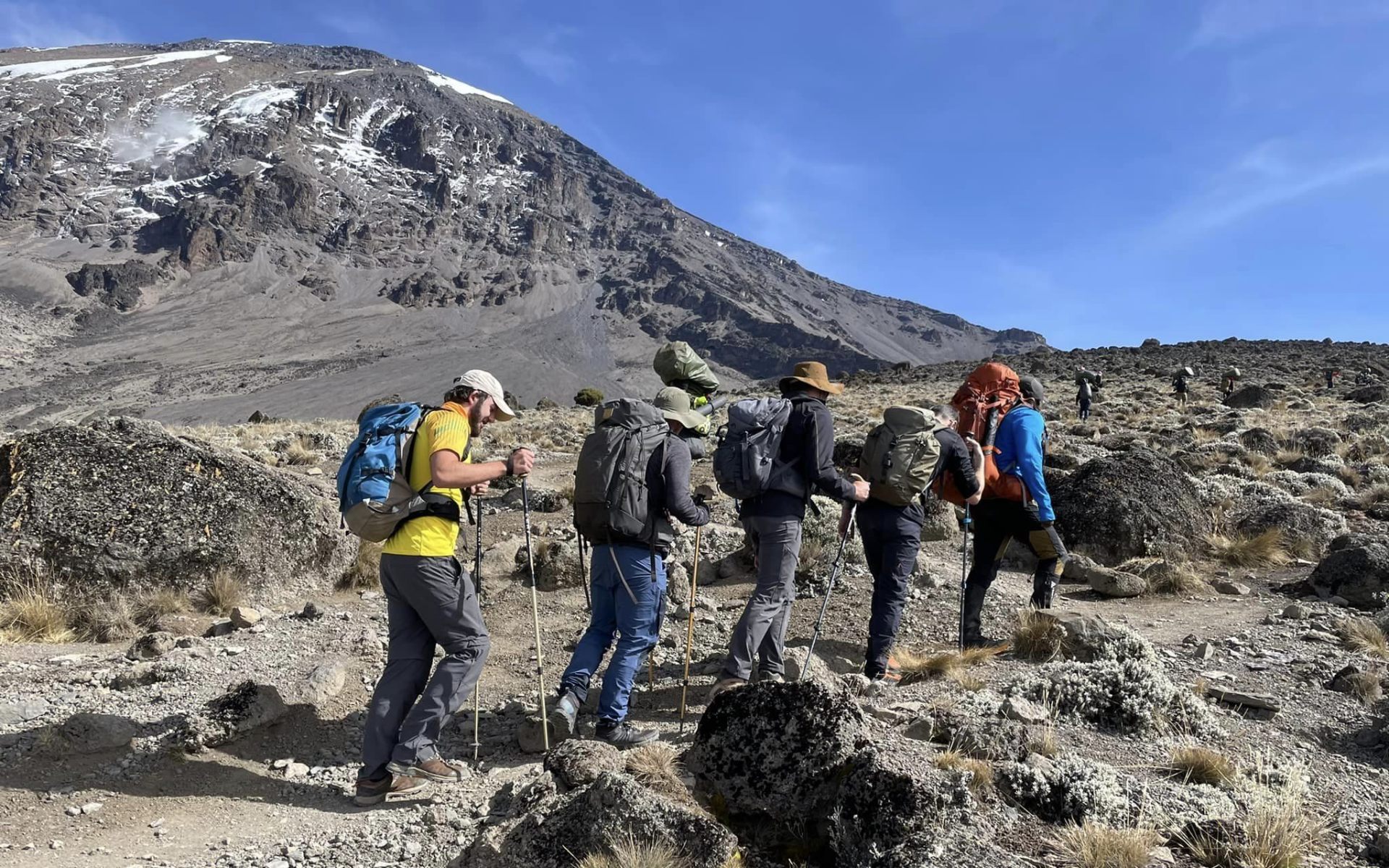
Depart from your hotel in Arusha and drive to the Kilimanjaro National Park gate. You’ll be captivated by the countryside, coffee and banana plantations, and driving through Marangu village with Kilimanjaro rising majestically ahead of you. We’ll register you at the Marangu Gate and begin the hike. The hike to Mandara Hut is around 3 hours. You will have time to rest your legs and have a picnic lunch at the hut. After your short break, take the short but challenging walk to the Maundi Crater. You will then descend to Marangu gate and drive to Kilimanjaro Airport or Arusha to end your tour with us. Marangu Gate (1,800m/5,905ft) to Mandara Hut (2,743m/9,000ft). Elevation gain: 915m/3,000ft.

Kilimanjaro is Africa's highest mountain at 5,895 m and the highest free-standing peak in the world. Today you trek between camps, gaining altitude slowly to acclimatise, accompanied by your senior guide team, cook and porters.

Distance varies by day from 5 to 15 km. The mantra on Kili is pole pole, slowly slowly: a steady pace, plenty of water, three hot meals a day and an honest pulse-oximeter check every evening to track your acclimatisation.

Breakfast, Lunch, Dinner (on mountain)

Today's plan

  • Trek with your guide team between camps
  • Pulse-oximeter and acclimatisation check at camp
  • Three hot meals prepared by your mountain cook
  • Tea, snacks and a hot wash bowl on arrival

Route map

9-Day Private Budget with Walking Safari & Kilimanjaro, route

  1. 1Kilimanjaro
  2. 2Tarangire
  3. 3Serengeti
  4. 4Ngorongoro

What makes this trip special

Private journey

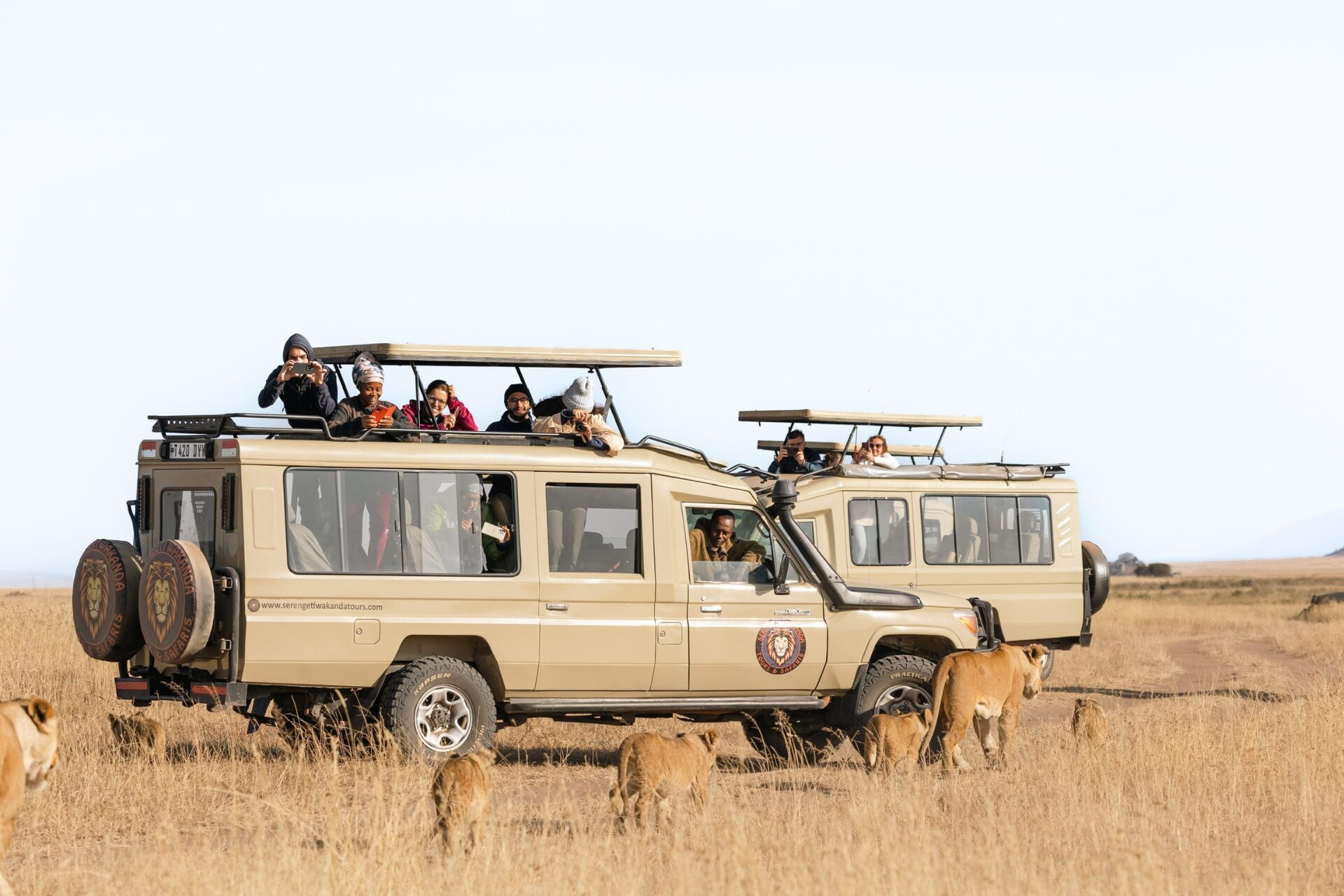
Your own vehicle, guide and pace, no shared safari.

Local expertise

Designed and led by Tanzanians who grew up beside these parks.

Photo-friendly

Pop-top vehicles, beanbags on request and unrushed stops at every sighting.

Good to know

Everything you need to plan, pack and travel with confidence.

Best time to travel

Year-round. Peak game viewing runs June to October, when the bush is dry and animals concentrate around water. January to March is the dramatic green season, with wildebeest calving in southern Serengeti and excellent predator action. November is a brief shoulder month with low prices and lush landscapes.

Group size

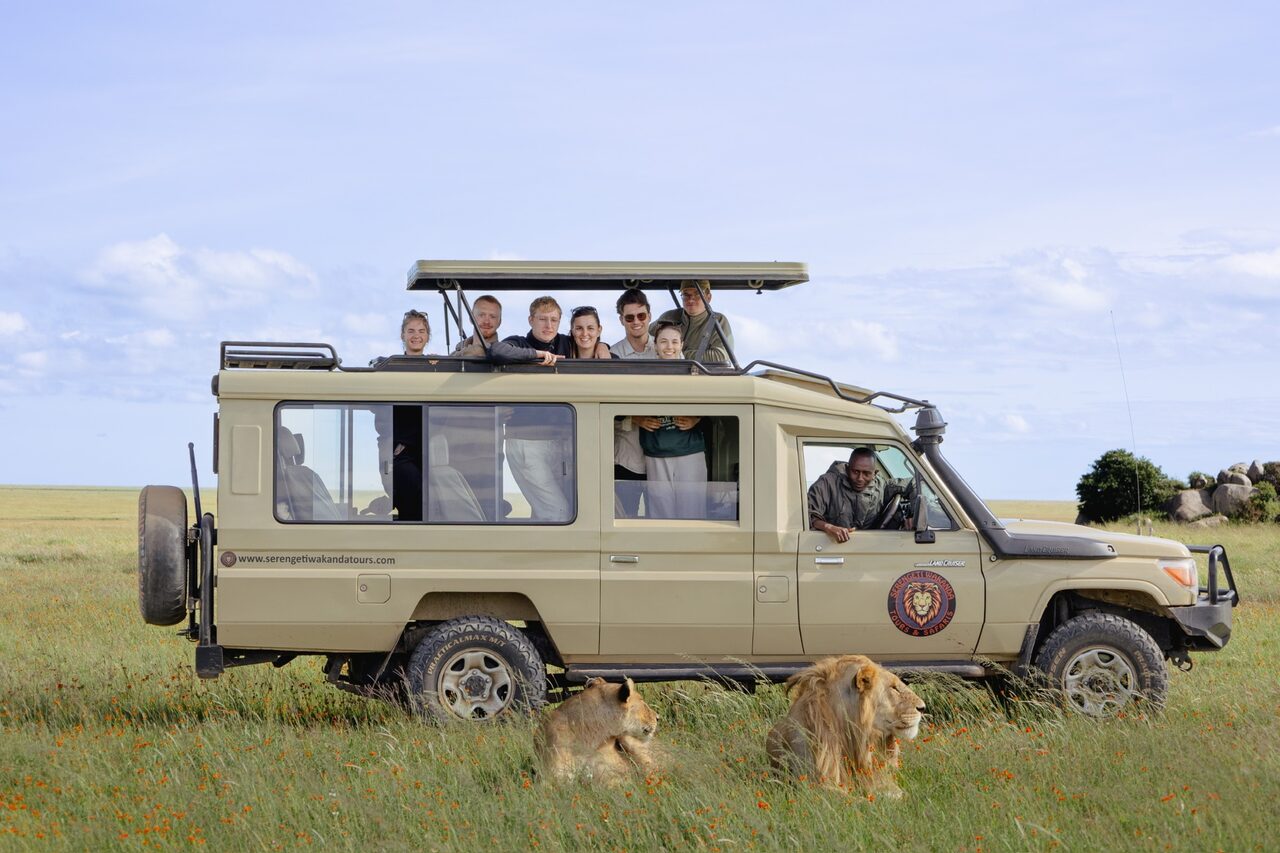
Designed for 2 to 6 guests in a private 4×4 Land Cruiser with a guaranteed window seat for everyone. Families, honeymooners and small friend groups are our sweet spot. Larger parties travel in additional vehicles, never with strangers.

Physical rating

Easy. Days are spent in the vehicle with comfortable lodge or tented camp accommodation. Optional walking safaris are graded separately and require basic fitness.

Getting there

Fly into Kilimanjaro International Airport (JRO), which is served by KLM, Qatar, Turkish, Ethiopian, Kenya Airways and Precision Air. We meet you at the gate and handle every transfer for the rest of the trip.

Visa & entry

USD 50 single-entry e-visa for most nationalities, applied for online at eservices.immigration.go.tz at least two weeks before travel. US passport holders need the USD 100 multiple-entry visa.

Currency & payments

US dollars (post-2009 bills only) are widely accepted; Tanzanian shillings for small purchases. Major lodges accept Visa and Mastercard but a small surcharge may apply.

Electricity

230 V, UK-style three-pin plugs (Type G). Most camps have charging in the main area; bring a universal adapter.

Connectivity

4G coverage across Arusha and Zanzibar, intermittent in the Serengeti and Ngorongoro. Most lodges have Wi-Fi in the main lounge. A local Vodacom or Airtel SIM is cheap and easy to buy at the airport.

Tipping guidance

A guideline, not an obligation. Around USD 25 per guest per day for your driver-guide and USD 10 per day for lodge staff (collective tip box). On Kilimanjaro, USD 20 to 25 per climber per day for the crew is standard.

Responsible travel

We are a Tanzanian-owned company and 100% of our guides, cooks and office staff are Tanzanian. Park fees flow directly to TANAPA and the Ngorongoro Conservation Area. Our camps follow leave-no-trace principles and we offset every vehicle kilometre through a verified East African reforestation program.

Booking & cancellation

A 20% deposit confirms your dates. Balance due 60 days before travel. If you need to cancel, you receive a credit note for the full amount paid, valid 2 years to rebook — subject to individual accommodation policies which may differ.

What to pack

  • Neutral, layered safari clothes (long sleeves help with sun and mosquitoes)
  • A warm fleece for cold mornings on the Ngorongoro rim
  • Closed walking shoes and a wide-brimmed hat
  • Binoculars (8×42 is the safari standard) and a lightweight camera
  • Reef-safe sunscreen and a refillable water bottle
  • Soft duffel bag if flying between camps (15 kg limit)

Health & safety

  • Yellow fever certificate required only if arriving from a yellow fever country
  • Anti-malarial prophylaxis is strongly recommended, consult your travel clinic
  • Travel insurance with medical evacuation cover is mandatory
  • Tap water is not potable, we provide unlimited bottled water in the vehicle

Photography

  • Pop-up roof and beanbags supplied on every vehicle
  • Bring at least a 100-400 mm zoom; a wide angle for landscapes
  • Extra memory cards and a charger that fits the 220 V UK-style plug
  • Drones are prohibited inside national parks without a written permit

Pricing, per person

Rates in USD, sharing twin/double accommodation. Final quote depends on chosen lodges and exact dates.

2 Pax3 Pax4 Pax5 Pax6 Pax
$2,550$2,200$1,990$1,850$1,710

Single supplement applies for solo travellers. "—" means group size not offered for this itinerary.

What's included

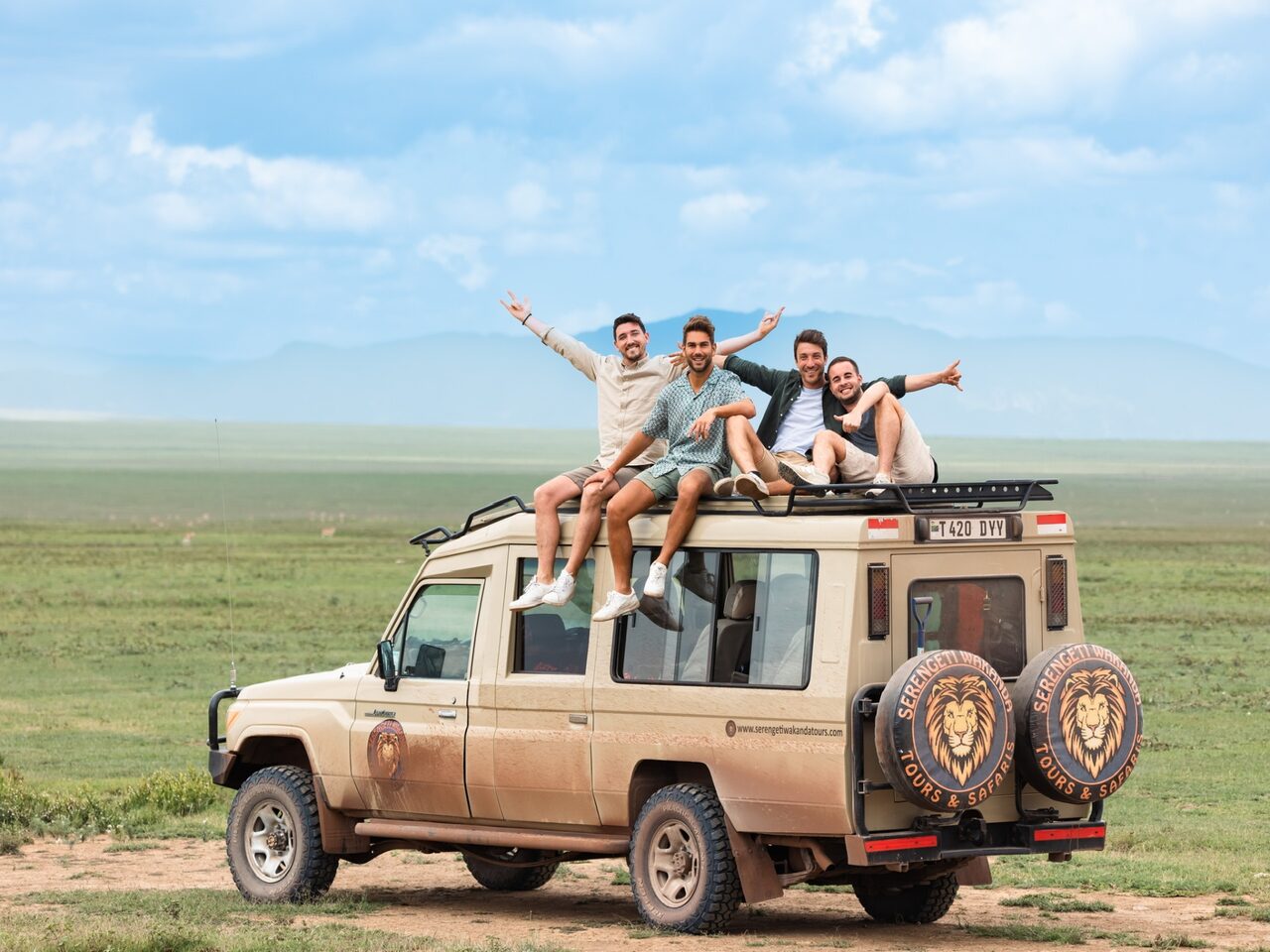
  • Private 4×4 safari vehicle with pop-up roof
  • Professional English-speaking driver-guide
  • All park & conservation fees
  • Accommodation as per itinerary
  • All meals on safari (B/L/D)
  • Bottled water in the vehicle
  • Airport transfers
  • Walking safaris
  • Marangu day-hike

Not included

  • International flights
  • Tanzania entry visa (USD 50)
  • Travel & medical insurance
  • Personal expenses & tips
  • Optional activities (balloon, walking safari)

Frequently asked

When is the best time to go?+

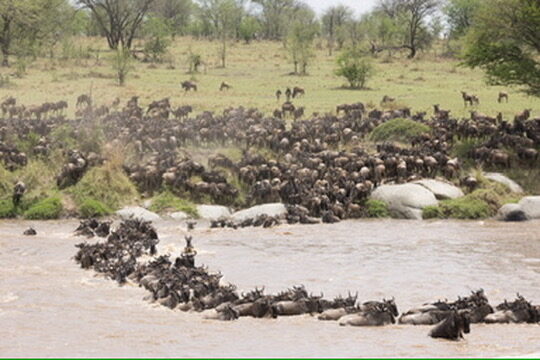
June–October for classic game viewing; January–March for the calving season in southern Serengeti; July–October for the Mara River crossings.

Is it safe?+

Yes, our vehicles are radio-equipped, our guides are licensed, and we operate only in well-managed parks. We've been doing this for over a decade with zero incidents.

Can the itinerary be customised?+

Absolutely. Every tour is private and tailor-made, extend a day, add a balloon flight, or combine with Zanzibar.

Similar journeys

You may also like