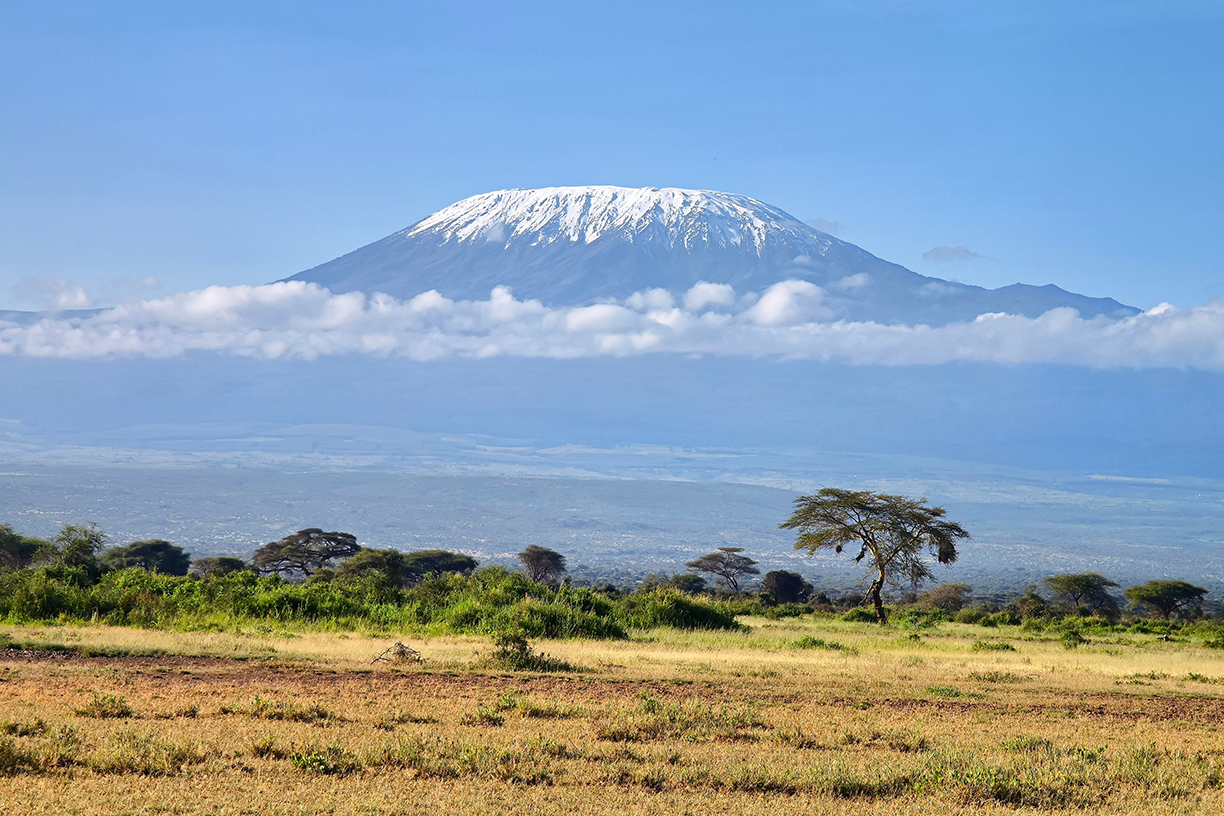
Kilimanjaro National Park
Africa's roof, five climates in one mountain.
Best Time
January–March & June–October
Region
Northern Tanzania
Area
1,688 km²
Altitude
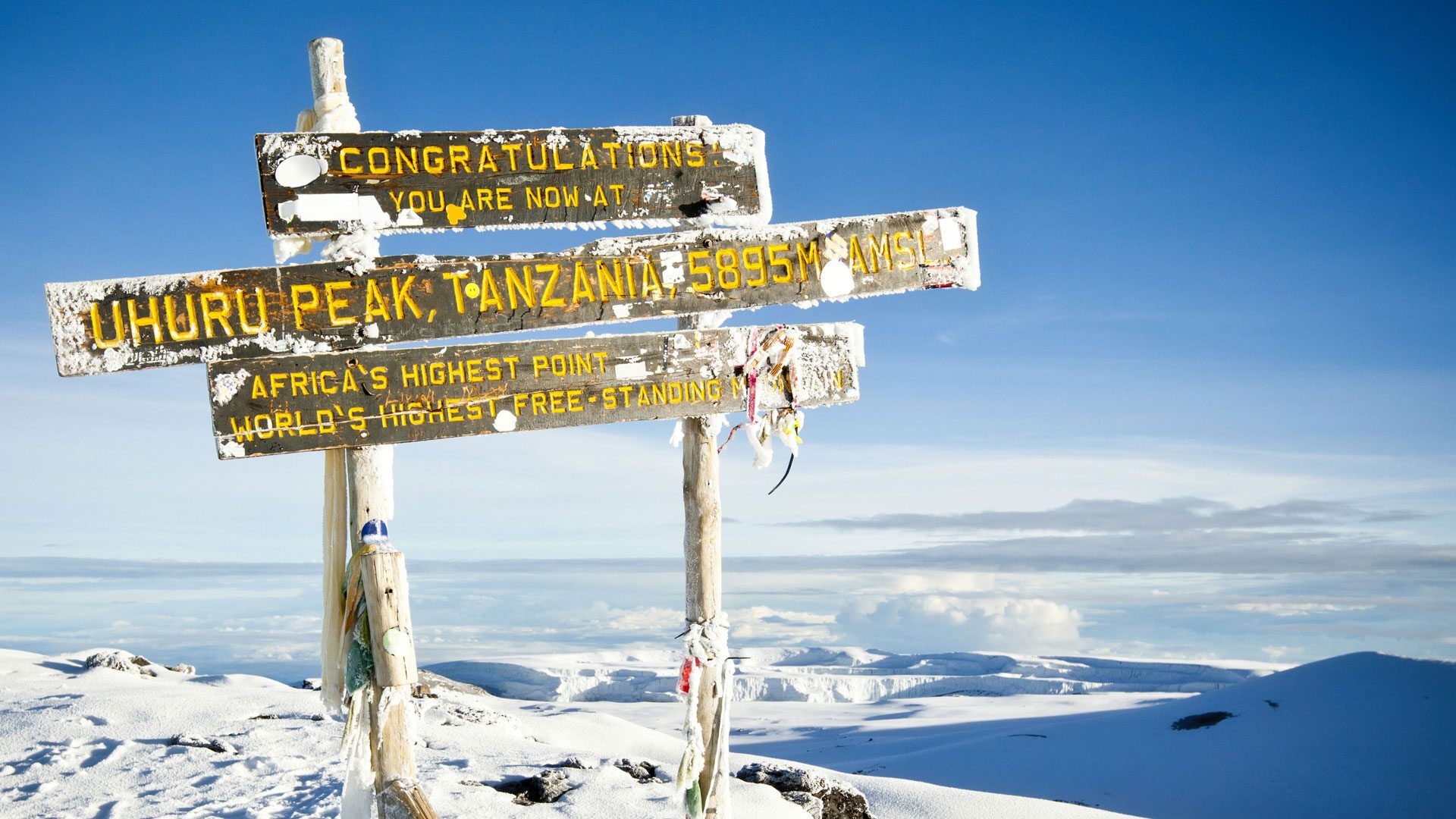
1,800–5,895m (Uhuru Peak)
Overview
About Kilimanjaro
Africa's highest peak (5,895m) and the world's tallest free-standing mountain. Rainforest, moorland, alpine desert, glaciers and the summit crater, all in a single, walkable journey.
The Roof of Africa
Mount Kilimanjaro stands at 5,895m, the highest free-standing mountain on earth and the highest peak on the African continent. Unlike most great mountains, you can walk to its summit - no ropes, no technical climbing, just a long, careful trek through five ecological zones in a single journey.
Five worlds in one mountain
You start in cultivated farmland on the lower slopes, climb through montane rainforest, then heath and moorland with giant lobelia and senecio, then the otherworldly alpine desert, and finally the arctic summit zone with its retreating glaciers. It is one of the most diverse trekking experiences anywhere.
Choosing the right route
We run six routes: Marangu (huts, 5 to 6 days), Machame (camping, 6 to 7 days), Lemosho (8 days, our recommended), Northern Circuit (9 days, highest summit success), Rongai (quiet northern approach), and Umbwe (steep and direct). Longer routes mean better acclimatisation and a much higher chance of reaching Uhuru Peak.
Our climbing standards
Every climb runs with a senior lead guide, qualified assistant guides, a chef and a porter team that is paid and treated fairly. Pulse oximetry is taken twice daily and emergency oxygen is on every climb.
Wildlife you'll see
- Colobus monkey
- Blue monkey
- Eland (rare)
Highlights
- ✦Six trekking routes
- ✦Five ecological zones
- ✦Glaciated summit
Things to do
When to go
Cool, clearer skies, fewer climbers.
Driest, busiest, highest summit success.
Getting there
Direct international flights into Kilimanjaro (JRO); we transfer you to Moshi or Arusha.
On the map
Kilimanjaro National Park
- 1Kilimanjaro National Park
Insider tips
- ★Book the longest route your time and budget allow. Eight days on Lemosho gives you a roughly 90% summit success rate.
- ★Train with hill walks and stair climbs in the months before. The mountain is about endurance, not speed.
- ★A short trek on Mount Meru a few days before Kilimanjaro dramatically improves acclimatisation.
Frequently asked questions
Do I need previous climbing experience?+
No. Kilimanjaro is a long high-altitude trek, not a technical climb. Anyone in good general health and willing to train can attempt it.
What is the summit success rate?+
Industry-wide it is around 65%. Our average across the longer routes is over 90% because we use senior guides and well-paced itineraries.
When is the best time to climb?+
January to mid-March (cooler, clearer, fewer climbers) and June to October (driest and busiest).
Tours
Journeys that visit Kilimanjaro
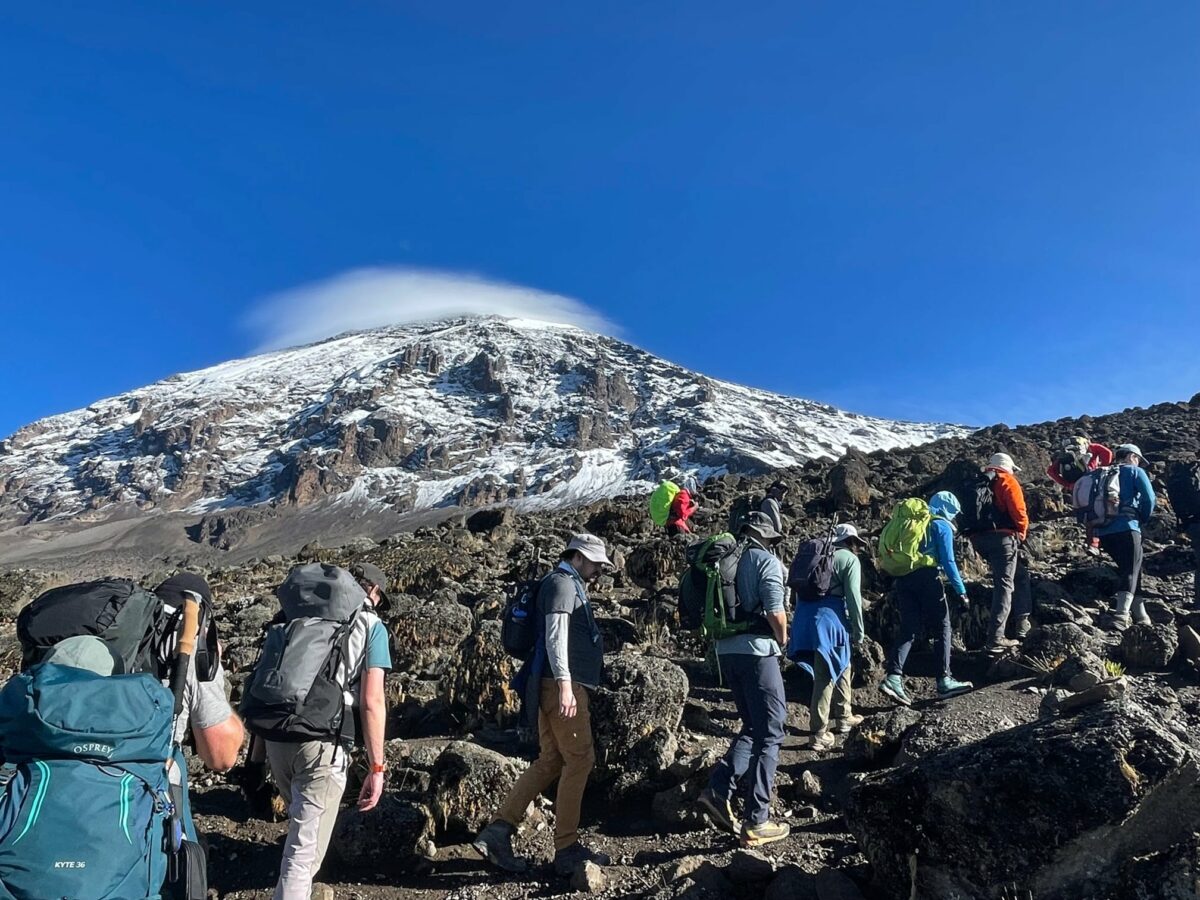
8 Days Machame Route
The most popular route up Kilimanjaro, with proper acclimatisation.
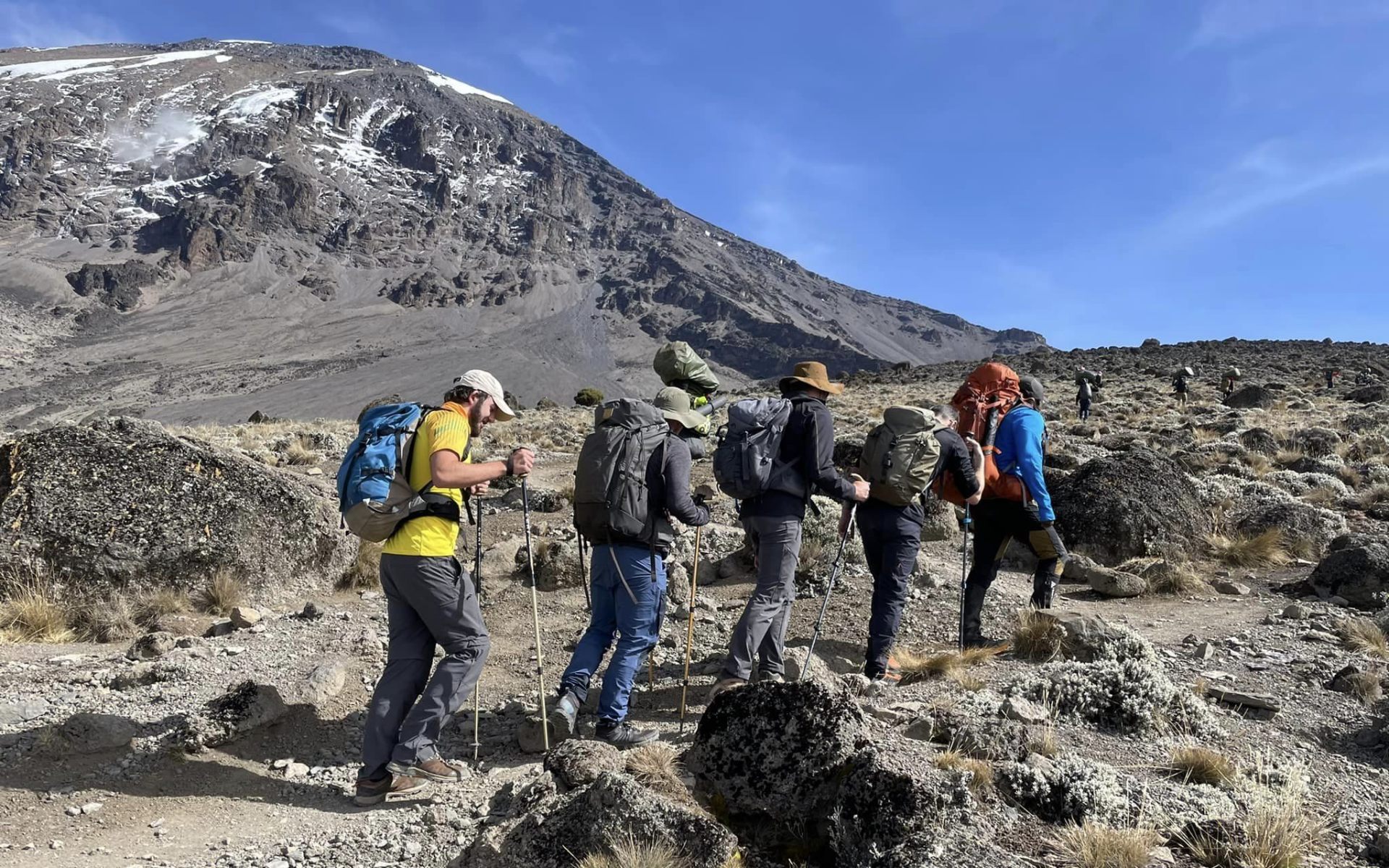
8 Days Lemosho Route
The most scenic route, and our highest summit success rate.
6 Days Marangu Route
The classic hut-based route, the only one with sleeping in huts.
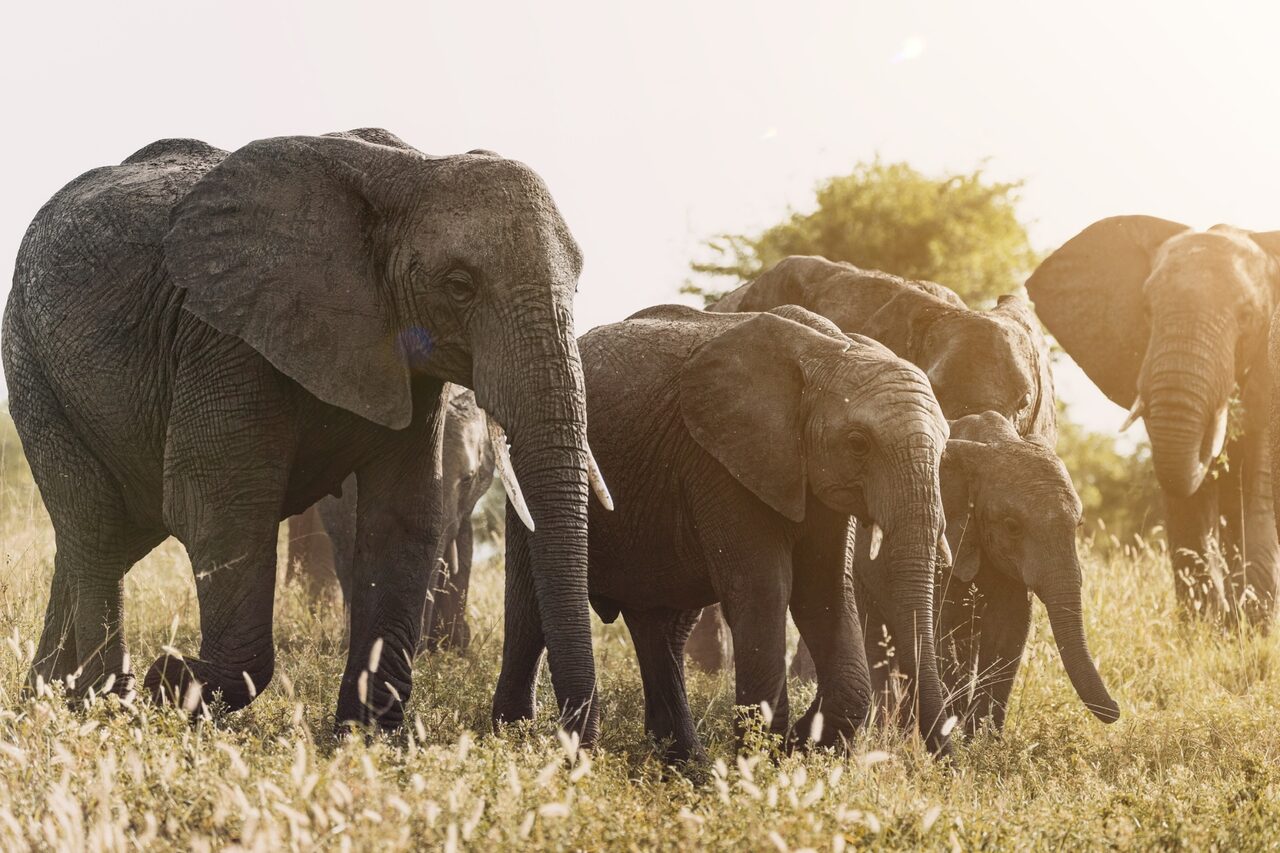
7-Day Wakanda Classic Safari with Kilimanjaro Hike
A classic safari combined with a one-day taste of Kilimanjaro.
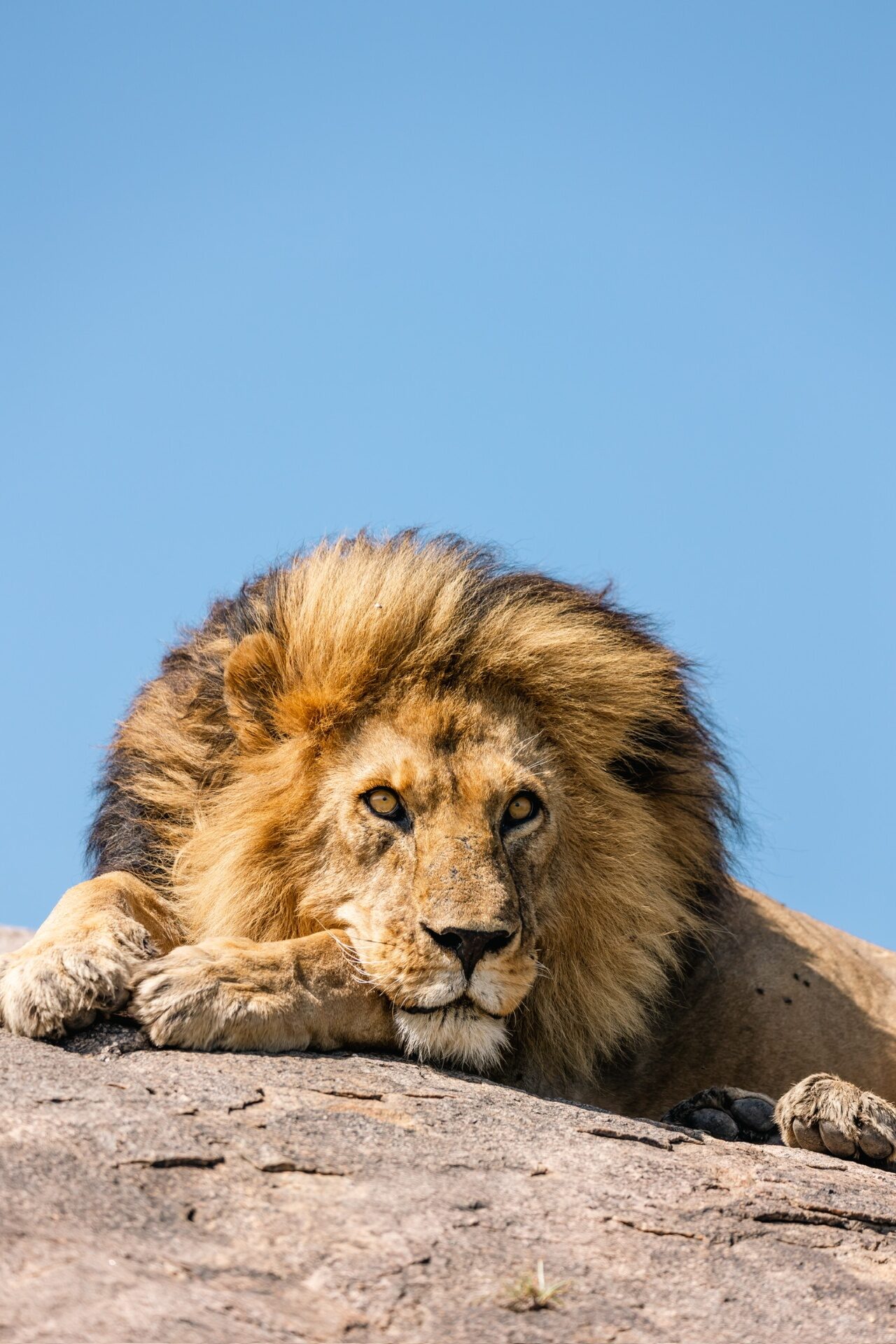
7-Day Wakanda Comfort Safari with Kilimanjaro Hike
Big-cat country and Kilimanjaro's snowy summit in one comfortable week.
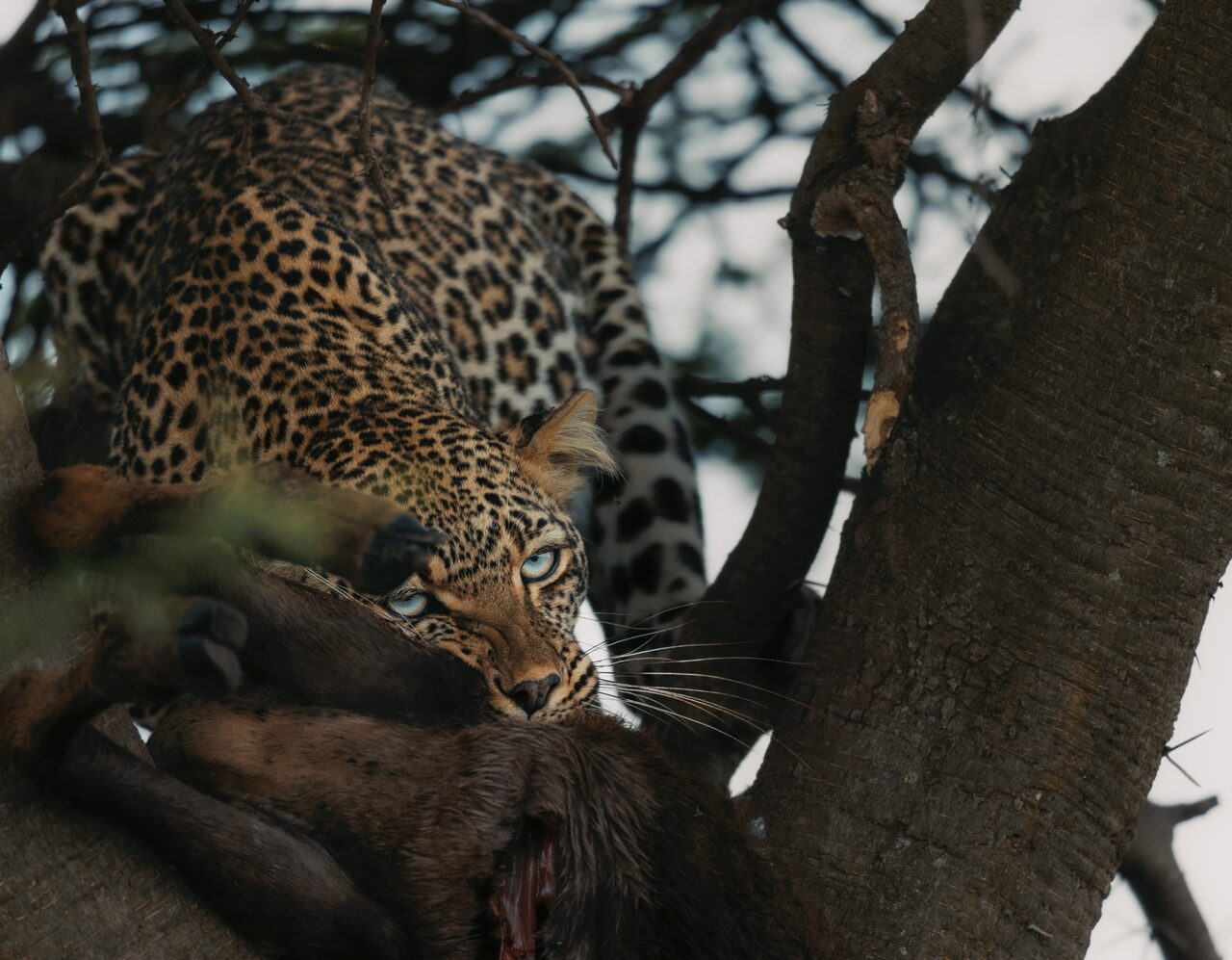
9-Day Private Budget with Walking Safari & Kilimanjaro
Budget-friendly safari, walking mornings and a Kilimanjaro day-hike.
From the journal
Read about Kilimanjaro
Continue exploring