Last updated 16 August 2026 · 16 min read
The short version: a soft duffel bag, 15kg, layers in neutral colours, closed shoes, a warm fleece, sun protection and your medication. Everything else is optional, and lodges do laundry.
This is the full pillar: luggage rules, clothing, footwear, colours, electronics, camera gear, toiletries, medication, wet and dry season differences, what not to bring, and a checklist you can copy.
Luggage: the rule that catches people out
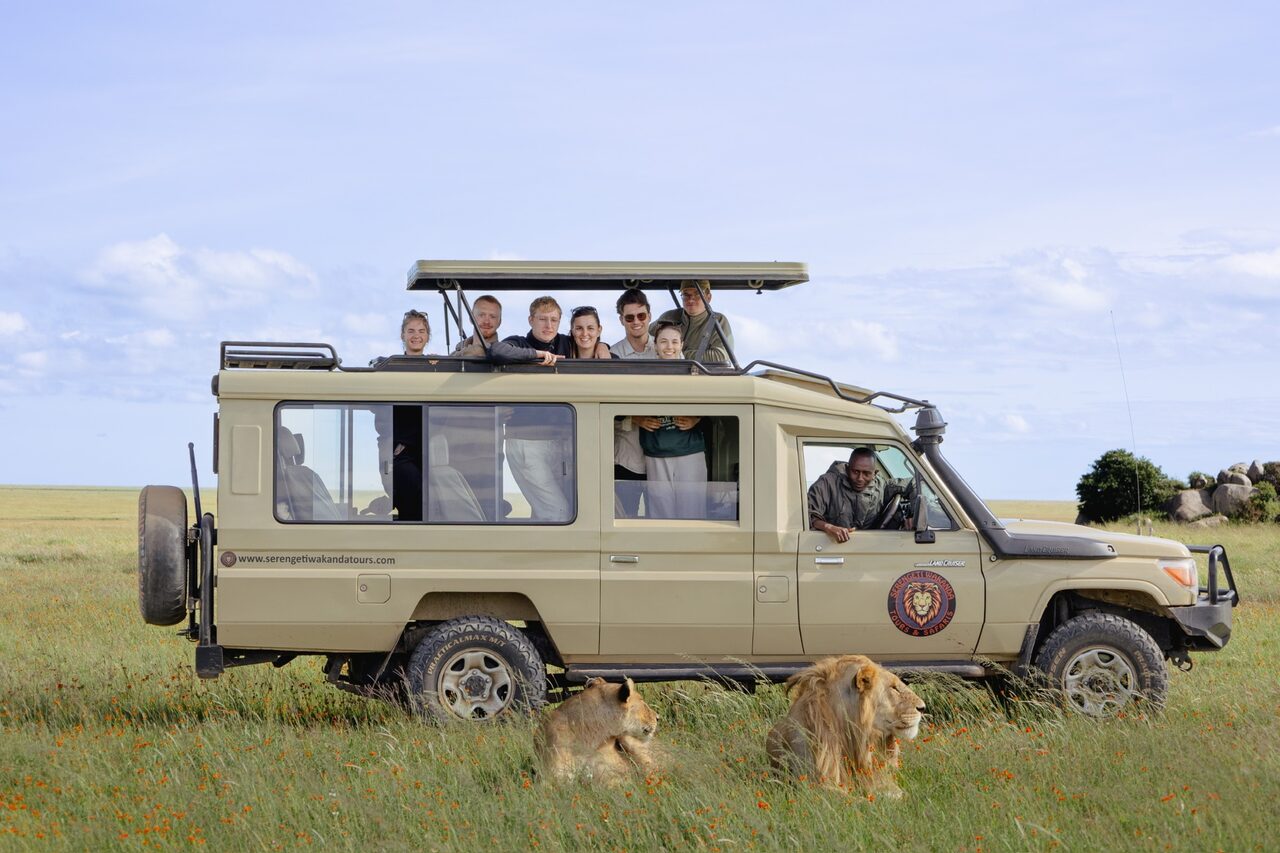
Safari vehicles and bush aircraft take soft-sided bags only. A hard shell suitcase will not fit into the luggage pod of a Cessna Caravan and it does not stack in a Land Cruiser.
| Situation | Limit |
|---|---|
| Road safari, our Land Cruisers | 20kg soft bag comfortably, plus daypack |
| Bush flights, Coastal or Auric | 15kg total including hand luggage, soft bag only |
| International inbound | Whatever your airline allows, but repack in Arusha |
If you are combining safari with Zanzibar or a Kilimanjaro climb, our office stores your extra luggage in Arusha at no charge. Most guests travel the safari leg with 12 to 15kg.
Clothing, and why colours matter
Neutral, breathable, layered. Khaki, olive, brown, stone, grey.
- Avoid dark blue and black. Tsetse flies are drawn to them, and tsetse are present in Tarangire and parts of the western Serengeti. Their bite is a sharp sting rather than a health risk in the Northern Circuit, but you will not enjoy it.
- Avoid bright white. It shows dust within an hour and reflects light into photographs.
- Camouflage patterns are illegal for civilians in Tanzania. Leave them at home, this is enforced.
For a 7-day trip:
| Item | Quantity |
|---|---|
| Short-sleeve shirts or t-shirts | 3 |
| Long-sleeve shirts, light, for sun and evening mosquitoes | 2 |
| Safari trousers, ideally zip-off | 2 |
| Shorts | 1 to 2 |
| Fleece or warm mid-layer | 1, non-negotiable |
| Light windproof or rain jacket | 1 |
| Underwear and socks | 4 to 5 sets |
| Swimwear | 1, most lodges have pools |
| Buff or scarf, for dust | 1 |
| Wide-brim hat | 1 |
| Smart-casual evening outfit | 1, for luxury lodges |
Laundry is included or cheap at almost every lodge, so four days of clothing covers a fortnight. The exception is underwear, which some camps will not wash for cultural reasons; bring enough and a travel wash bar.
Temperatures you are actually packing for
| Place | Dawn game drive | Midday | Evening |
|---|---|---|---|
| Serengeti, June to Sept | 12 to 15 C | 27 to 30 C | 15 to 18 C |
| Ngorongoro crater rim | 6 to 10 C | 20 to 24 C | 8 to 12 C |
| Tarangire | 16 to 19 C | 30 to 34 C | 18 to 21 C |
| Zanzibar | 24 C | 30 to 33 C, humid | 26 C |
The crater rim at 2,300 metres is the cold one. Guests who packed for "Africa" spend that evening in the lodge fireplace corner wearing everything they own.
Footwear
- One pair of comfortable closed walking shoes or light hiking boots, already broken in
- One pair of sandals or flip-flops for camp and Zanzibar
- That is it
You walk very little on a game drive. Heavy hiking boots are only needed for the Empakai crater descent, Ngorongoro highlands walks or Kilimanjaro, and for the mountain there is a separate list.
Camera and optics
Binoculars are the most under-packed item on safari. One pair per person, 8x42 or 10x42. Sharing a single pair between a couple ruins half the sightings. If you have none, tell us and we will put a pair in the vehicle.
For cameras:
- A zoom reaching 400mm is the practical minimum for cats and birds; 100 to 400mm is the ideal single lens
- A second body or a wide lens for landscapes, the plains at dawn deserve it
- Spare batteries, at least two; cold mornings drain them
- Double the memory cards you think you need
- A beanbag or a folded fleece to rest the lens on the roof rail, tripods are useless in a vehicle
- A dust blower and a microfibre cloth, the dust is relentless
- A dry bag or large ziplock for the whole kit on dusty transfer days
Phone photographers: bring a small clip-on zoom if you own one, and accept that the memory is the point rather than the file.
Electronics and charging
Our Land Cruisers have 12V and USB charging at every seat. Lodges use UK three-pin, type G, 230V, so bring a UK adapter even if you are American or European. Power at bush camps is often solar and may be off between 10pm and 6am, so charge during the day.
Bring: adapter, power bank of 10,000mAh or more, charging cables, headlamp or torch with spare batteries. Do not bring a hairdryer; most camps cannot run one.
Connectivity: Serengeti coverage is patchy and honest camps admit it. A Vodacom or Airtel tourist SIM bought at the airport costs a few dollars and works better than roaming in the towns.
Toiletries and sun
- High-factor sunscreen, SPF 50, more than you think, it is scarce and expensive locally
- Lip balm with SPF, the dry air splits lips within two days
- Insect repellent with DEET or picaridin
- Moisturiser, the plains are extremely dry
- Wet wipes and hand sanitiser
- Personal toiletries in a soft bag; camps supply soap and shampoo but rarely conditioner
- Sunglasses, polarised if possible, plus a spare pair if you rely on prescription
Medication and a small kit
Bring all prescription medication in original packaging with a copy of the prescription. Then:
- Malaria prophylaxis, usually Malarone, started as your clinic directs
- Antihistamine tablets and cream
- Painkillers, ibuprofen and paracetamol
- Loperamide and oral rehydration sachets
- Antiseptic cream and plasters
- Motion sickness tablets, the crater descent road and the Serengeti tracks are rough
- Any inhalers or EpiPens, and tell us in advance so your guide knows
Documents
- Passport valid six months beyond arrival with two blank pages
- Tanzania e-visa printout, USD 50, or USD 100 for US passports
- Yellow fever certificate if you transited an at-risk country
- Travel insurance policy with medical evacuation, and the number saved offline
- Two passport photos, useful for permits
- USD cash in notes printed after 2009, for tips and extras
- A printed copy of your itinerary; signal disappears
Season by season
Dry season, June to October Add a warmer fleece and a beanie for dawn drives. Dust is the enemy: a buff, extra lens cloths and a dry bag for the camera. Rain is unlikely but a light shell is still sensible.
Green season, November to May Add a proper waterproof jacket, a second pair of trousers because things dry slowly, quick-dry fabrics throughout, and shoes you do not mind getting muddy. Afternoon storms are heavy and short. Insect repellent matters more.
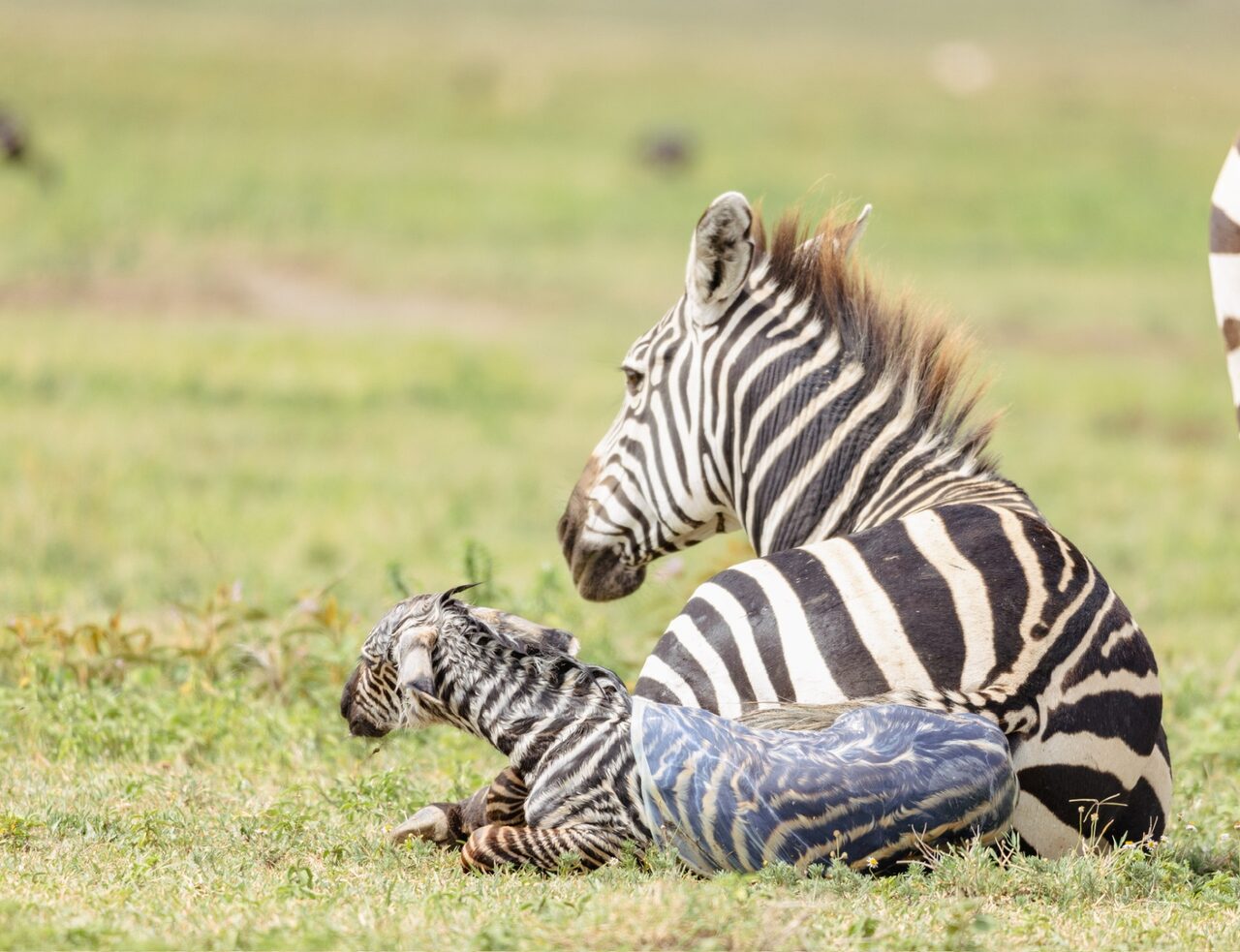
Calving season, January to March, in Ndutu Same as green season, plus your longest lens. The predator action is close and constant.
Bush and beach Pack the safari layers in the main bag and a small beach bag on top: swimwear, a cover-up, a modest outfit for Stone Town with shoulders and knees covered, reef-safe sunscreen and water shoes for the east coast at low tide.
What not to bring
- Hard-shell suitcases
- Camouflage clothing, it is illegal
- Drones, they are banned in all Tanzanian national parks without a permit that takes months
- Single-use plastic bags, banned nationwide since 2019, including at the airport
- Heavy hiking boots for a driving safari
- A hairdryer or straighteners
- Excessive jewellery
- Five books, when the vehicle bounces too much to read
The copy-and-go checklist
Bags: soft duffel 15kg, daypack, dry bag Clothes: 3 tees, 2 long-sleeve, 2 trousers, shorts, fleece, rain shell, hat, buff, swimwear, evening outfit Feet: walking shoes, sandals, 5 pairs socks Optics: binoculars, camera, 400mm lens, 2 batteries, cards, beanbag, blower Power: UK adapter, power bank, cables, headlamp Health: malaria tablets, prescriptions, first aid kit, repellent, SPF 50, lip balm Papers: passport, e-visa, insurance, USD cash, itinerary printout
Ask us for the printable version when you book; we send it with every confirmation along with a kit list tailored to your exact month and lodges.
“Every group brings one suitcase too many and one fleece too few. The plains at six in the morning in July are cold enough to see your breath, and by ten you are in a t-shirt.”
Ready to turn this into a trip?
FAQ
How much luggage can I bring on a Tanzania safari?+
A 20kg soft bag is comfortable on a road safari. If any leg uses a bush flight, the limit drops to 15kg total including hand luggage, soft-sided only. We store surplus luggage in Arusha free of charge.
What colours should I wear on safari?+
Khaki, olive, brown, stone and grey. Avoid dark blue and black because they attract tsetse flies, avoid bright white because it shows dust, and never bring camouflage, which is illegal for civilians in Tanzania.
Do I need hiking boots for a safari?+
No. Comfortable closed walking shoes are enough for a driving safari. Boots are only needed for the Empakai crater walk, Ngorongoro highlands hikes or Kilimanjaro.
How cold does it get on safari?+
The Ngorongoro crater rim drops to 6 to 10 C at dawn and in the evening, and Serengeti dawn drives in July sit around 12 to 15 C. A proper fleece is the item guests most often wish they had packed.
What camera lens should I bring?+
A zoom reaching at least 400mm. A 100 to 400mm covers most safari situations as a single lens. Add a wide lens for landscapes, two spare batteries, plenty of cards and a beanbag to rest on the roof rail.
Can I charge my phone and camera in the vehicle?+
Yes, our Land Cruisers have 12V and USB points at every seat. Lodges use UK three-pin type G at 230V, and bush camps often run on solar with power off overnight, so charge during the day.
Are plastic bags allowed in Tanzania?+
No. Single-use plastic bags have been banned nationwide since 2019 and are confiscated at the airport. Use fabric bags or ziplocks for toiletries, which are permitted.
Can I bring a drone?+
Not without a permit that takes months to obtain. Drones are prohibited in all Tanzanian national parks and are frequently confiscated at customs.
What should I pack differently for the green season?+
Add a proper waterproof jacket, quick-dry fabrics, a second pair of trousers and shoes you are happy to get muddy. Storms are heavy but short, and insect repellent matters more than in the dry months.
Do lodges do laundry?+
Almost all of them, usually same day and either included or very cheap. Pack four days of clothing even for a two-week trip. Some camps will not wash underwear for cultural reasons, so bring enough and a travel wash bar.