
Serengeti Safari Tours — Private 4×4 Itineraries with Local Experts

From the calving on the southern plains to the Mara River crossings in the north — private Serengeti safaris with senior local guides, designed around exactly where the action is.

The Serengeti is the reason most people come to Tanzania. Fourteen thousand square kilometres of plains, kopjes and woodland, the highest density of large predators on Earth, and the only place where you can witness two million wildebeest, zebra and gazelle on their year-long migration. A great Serengeti safari isn't just about the park — it's about being in the right corner of it, in the right month, with a guide who knows where to be at first light.

The four regions of the Serengeti — and which one to visit when

The Serengeti is enormous, and a great safari hinges on being in the right zone for the season.

Central Serengeti (Seronera valley) — resident game year-round, the highest density of leopards anywhere, and the easiest area to access. Best for shorter trips and first-timers.

Southern Serengeti & Ndutu — December to March. This is where the migration herds calve, and the predator action is unmatched. Ndutu sits in the Ngorongoro Conservation Area, so off-road driving is allowed.

Western Corridor — May to July. The herds move west, and the Grumeti River crossings happen here (smaller, less famous than the Mara crossings, but spectacular).

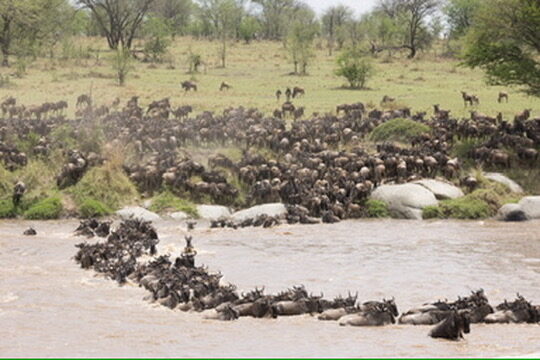
Northern Serengeti (Kogatende & Mara River) — late July to October. The dramatic Mara River crossings. The best camps fill 9–12 months out.

The Great Migration, month by month

The migration is a year-round cycle, not an event. A short cheat-sheet:

  • Jan–Mar: Calving on the southern plains around Ndutu. Half a million calves in three weeks.
  • Apr–May: Herds move north-west through central Serengeti. Long-rains, quieter parks, lower rates.
  • Jun–Jul: Grumeti River crossings in the western corridor.
  • Aug–Sep: Mara River crossings in the north — the iconic image.
  • Oct: Herds drift back south as the short rains start.
  • Nov–Dec: Movement back to the calving grounds.

We build itineraries around where the herds actually are — not where the brochure says they should be. If conditions shift, we shift with them.

What you'll see on a Serengeti safari

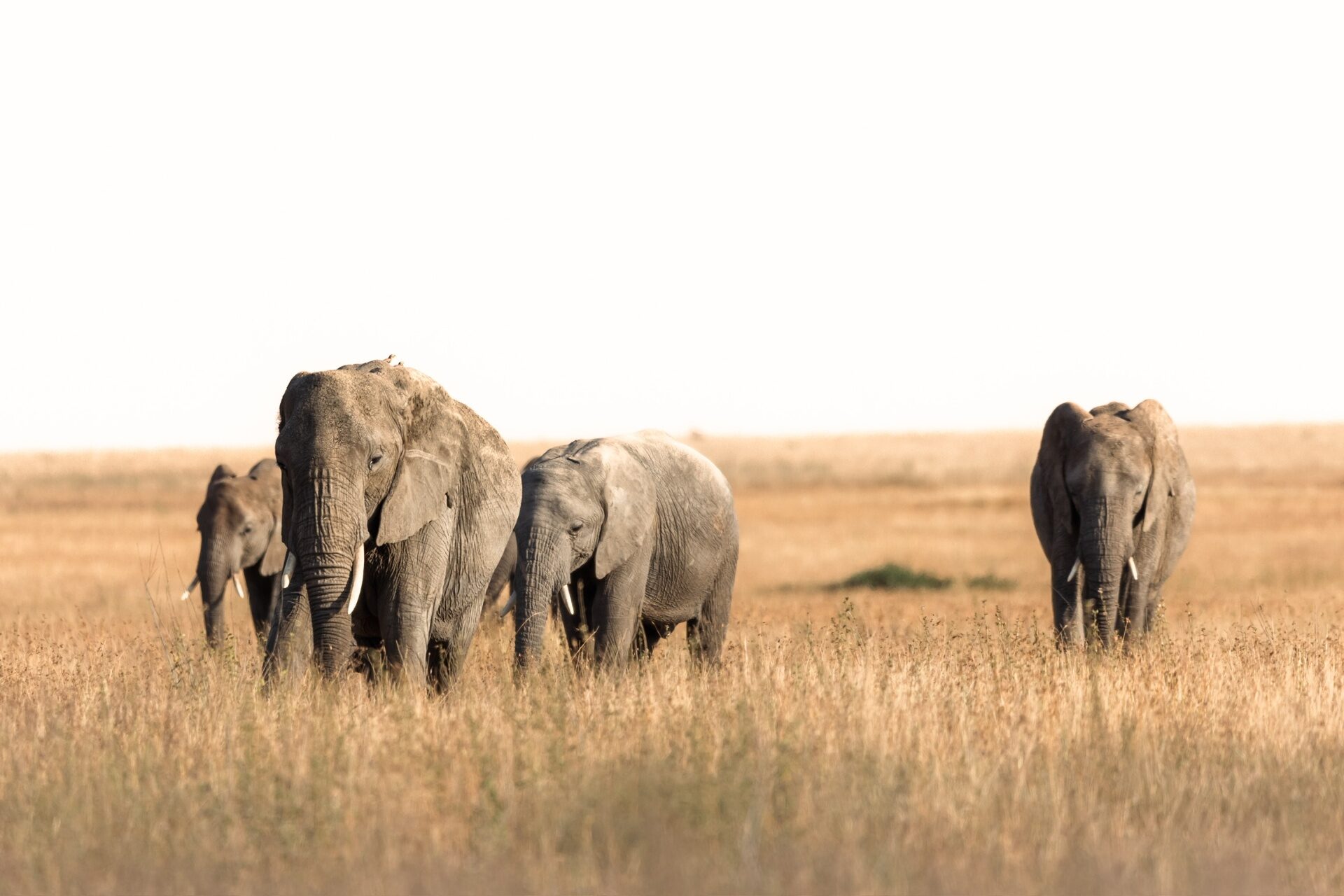
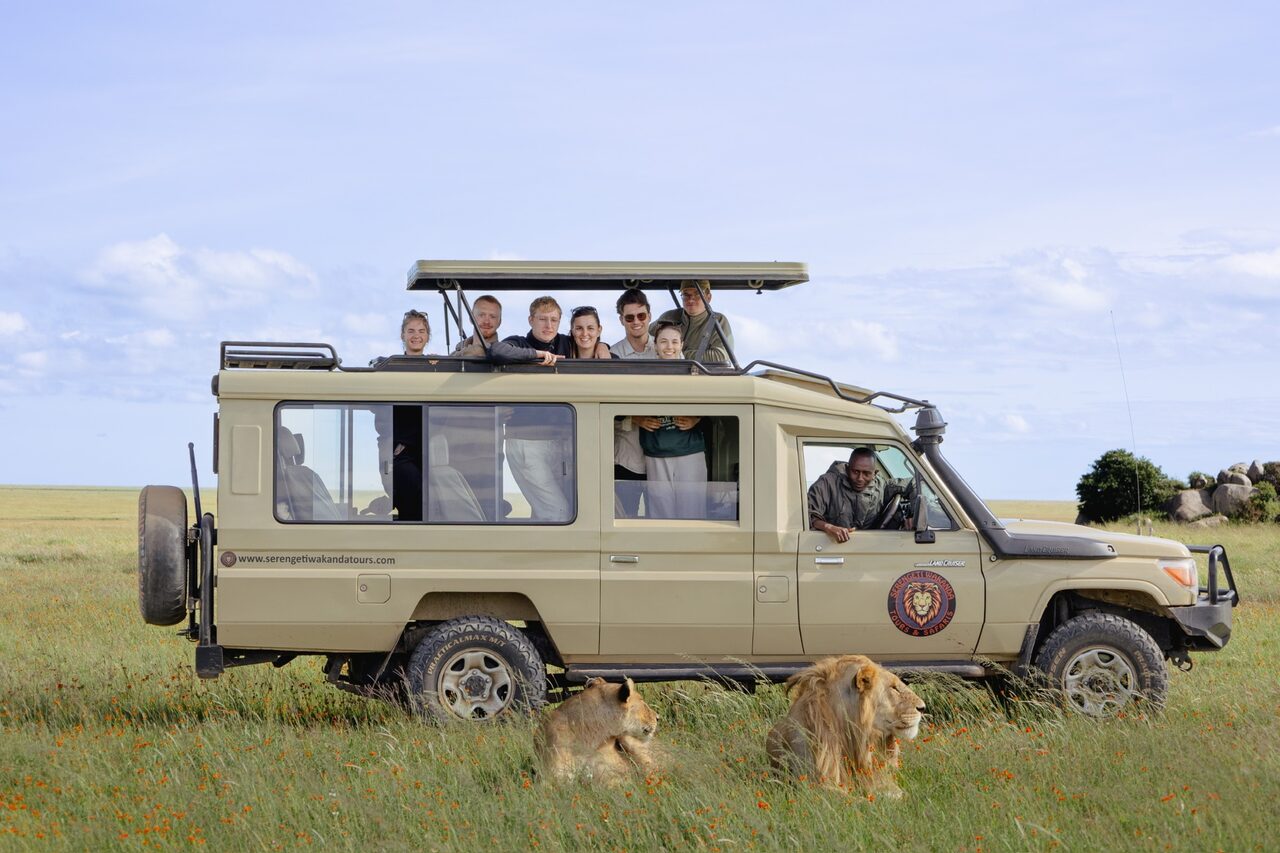
All of the Big Five live in the Serengeti, though black rhino are rare here (Ngorongoro is the better bet). The park is famous for its lion prides — some of the largest documented, including the famous Seronera coalitions and the Vumbi pride. Cheetahs are common on the southern plains. Leopards are reliable along the Seronera river. Add giraffe, elephant, hippo, crocodile, hyena, jackal, serval, and over 500 bird species.

Beyond wildlife: hot-air balloon flights at sunrise (a one-off splurge worth doing once), Maasai cultural visits, and walking safaris in select concessions.

How long do you need in the Serengeti?

Three days is the realistic minimum — two full days of game drives plus arrival and departure. Five days is the sweet spot: time to see both the central and either northern or southern regions. Seven days lets you slow down and shift between two camps in different ecosystems.

For the migration crossings specifically, plan a minimum of 3 nights in the northern Serengeti between mid-July and mid-October.

Fly-in vs drive-in

Drive-in: scenic, you see the country, and game viewing happens on the transfer days too. Longer (5–7 hours from Arusha to central Serengeti). Cheaper.

Fly-in: light aircraft (Cessna Caravans) from Arusha to your chosen Serengeti airstrip. ~1 hour. Doubles your time on game drives. Costs USD 350–500 more per person each way but worth it on shorter trips. Mandatory for the northern Serengeti unless you have 10+ days.

Where to stay in the Serengeti

Mid-range tented camps (USD 350–500 pppn): Lala Salama, Mbuzi Mawe, Safari Haven. Permanent canvas, proper beds, ensuite bathrooms, great food.

Premium camps (USD 700–1,100 pppn): Asilia's Sayari, Nomad's Lamai Serengeti, Lemala Kuria Hills.

Iconic luxury (USD 1,500–2,500+ pppn): Singita Mara River Tented Camp, Faru Faru, Sasakwa. Plunge pools, private guides, fly-camping options.

Mobile migration camps: move 2–3 times per year to follow the herds. The only way to wake up exactly where the migration is.

Why book a Serengeti safari with us

Because the difference between a good Serengeti safari and a great one is which corner of the park you're in on which day — and that's not something you can plan from overseas. Our planners are in Arusha. Our guides talk to the camps every morning. When the herds shift, we hear about it within hours, not weeks. And because we're private and tailor-made, we can shift your route mid-trip if it'll make the difference.

Frequently asked questions

July to October for the Mara River crossings, January to March for the calving on the southern plains. Central Serengeti has excellent resident game year-round.

Ready to plan your serengeti safari?

Tell us your dates, group size and what you'd love to see. A senior planner replies personally within 24 hours with a tailored proposal — no obligation.