
Ngorongoro Crater Safari Tours — Big Five in the World's Largest Caldera

The largest unbroken caldera on Earth, 25,000 large animals on the crater floor, and your best chance at the endangered black rhino — all in a single morning's drive.

Ngorongoro Crater is the most spectacular wildlife venue in Africa. A 260 km² collapsed volcano, walled in by 600-metre cliffs, holding the densest concentration of predators on the continent and one of the last viable populations of the endangered Eastern Black Rhino. A descent into the crater at dawn is an unforgettable safari experience — and almost every Tanzania safari includes it. We plan crater visits as part of every Northern Circuit itinerary, or as a standalone 2-day extension from Arusha.

What you'll see in the crater

The crater floor holds approximately 25,000 large mammals year-round — they don't migrate out. On a single morning's game drive you can reasonably expect:

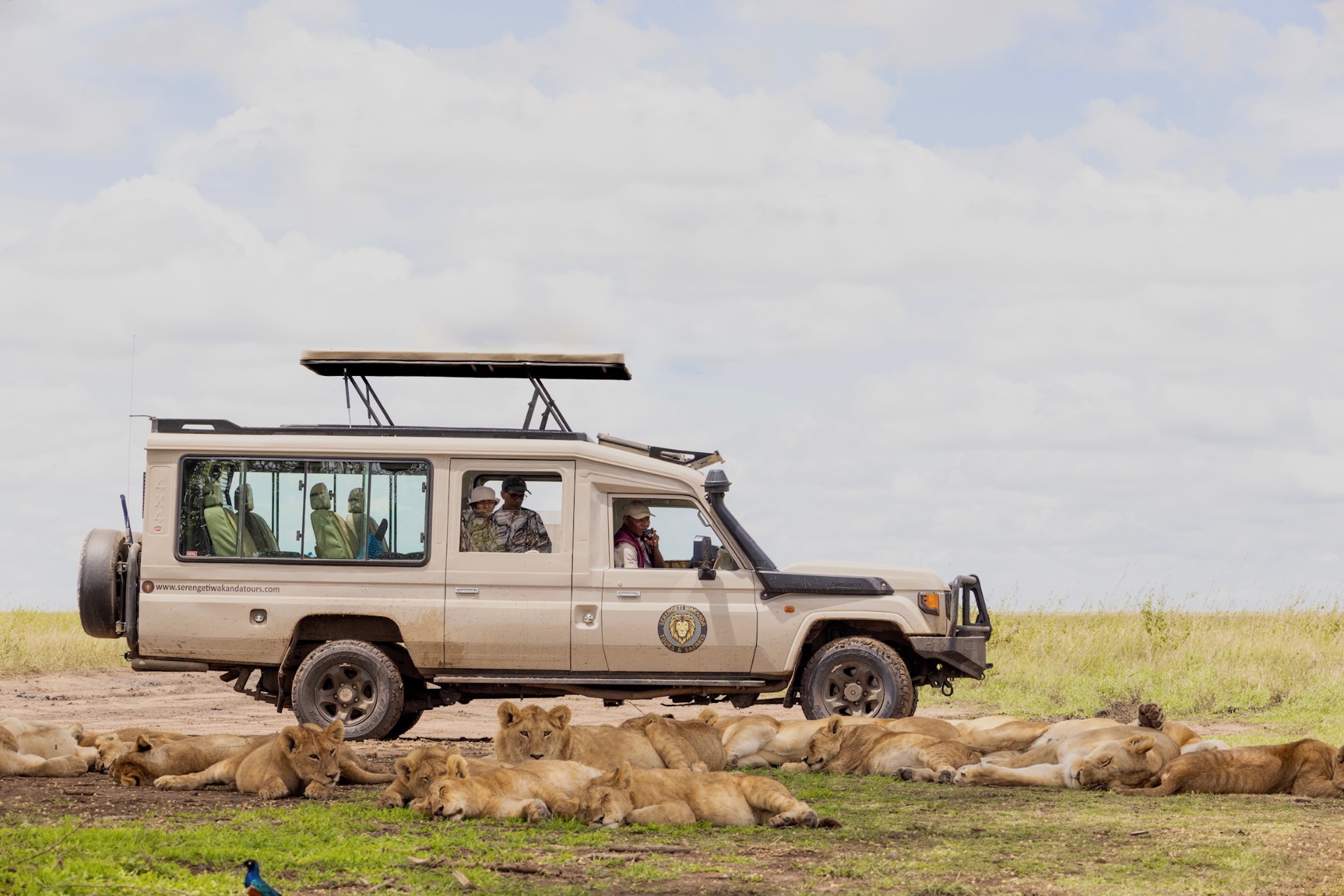
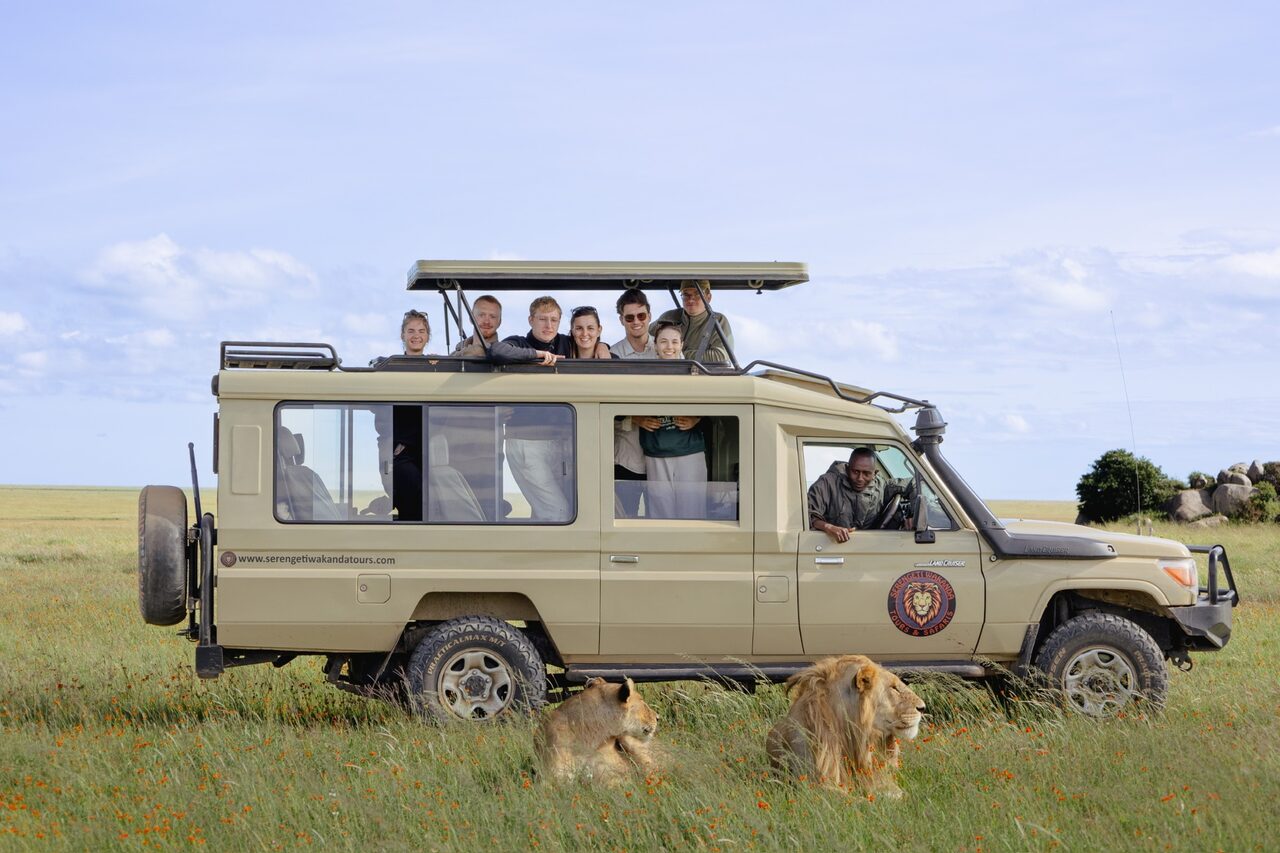
  • Lions — three resident prides, often visible from the descent road
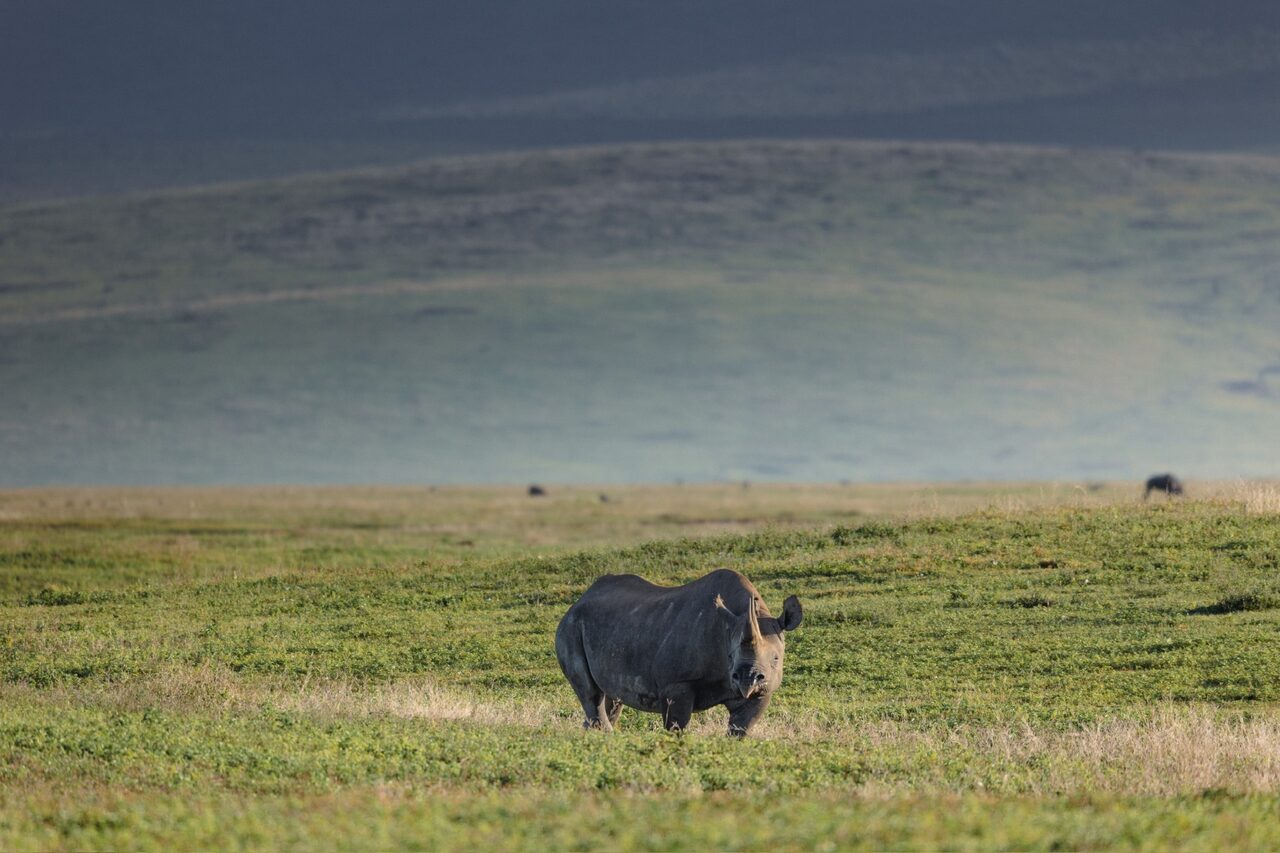
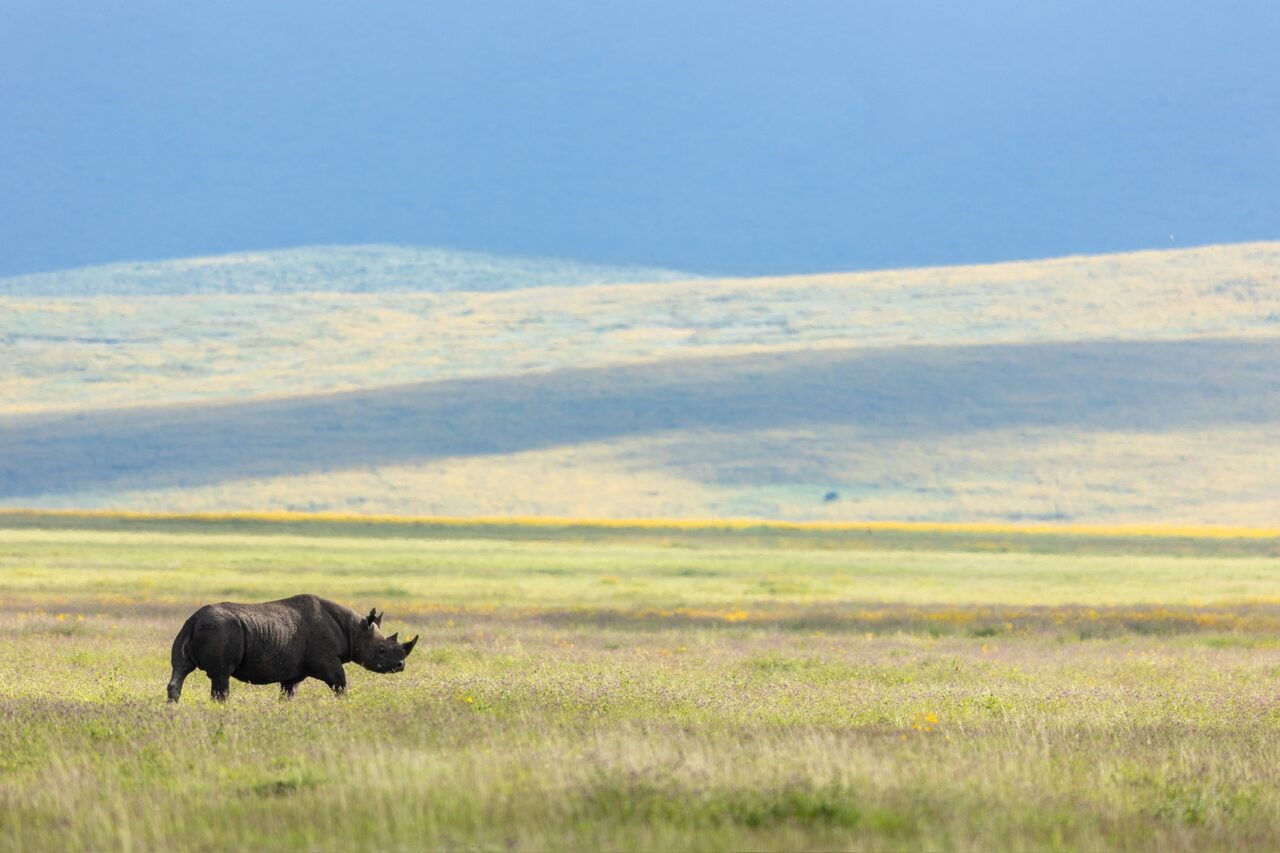
  • Black rhino — one of the few places in East Africa with reliable sightings (currently ~20 individuals)
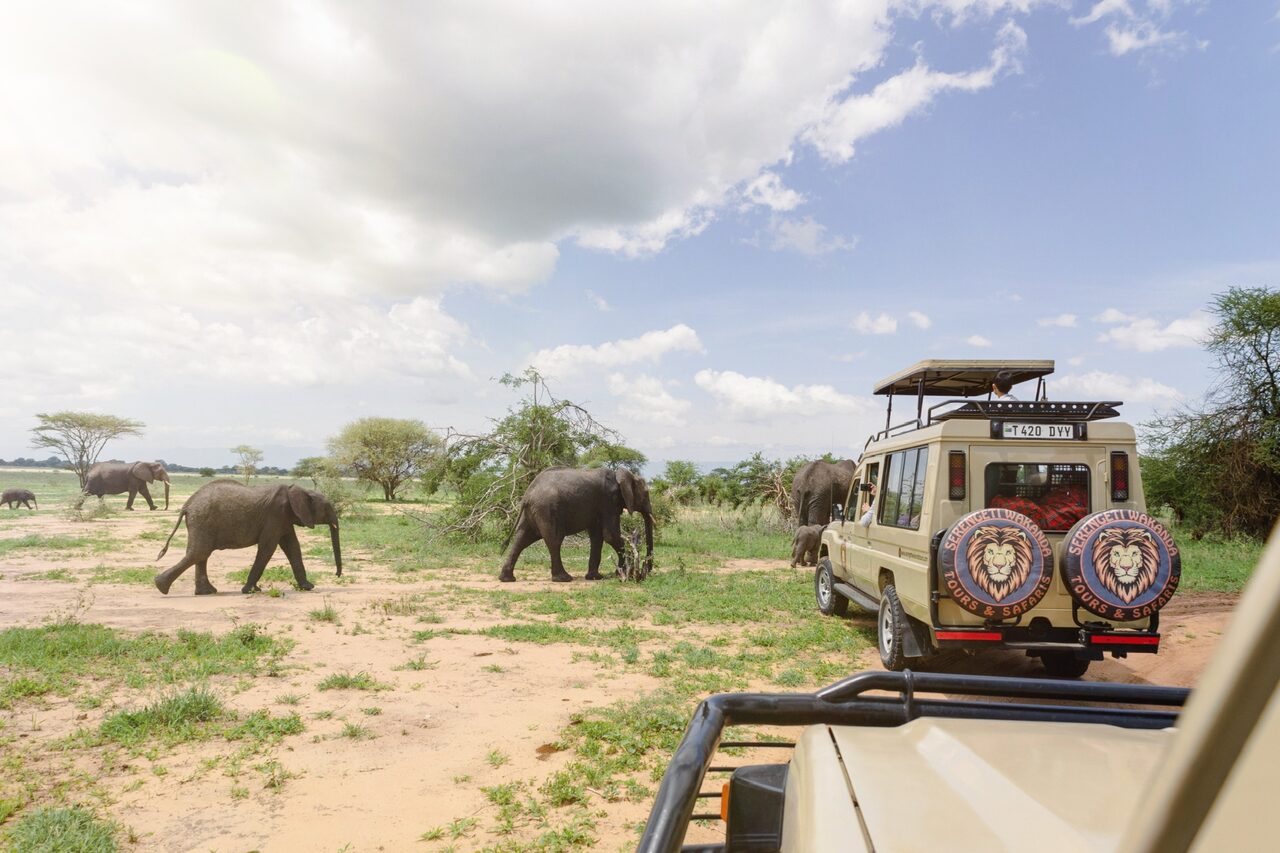
  • Elephant — old bulls with the biggest tusks in Tanzania
  • Buffalo, wildebeest, zebra, Thomson's & Grant's gazelle in large herds
  • Hyena, jackal, serval regularly
  • Hippo at the soda lakes
  • Flamingos — pink rims around Lake Magadi when conditions are right

Cheetah and leopard are present but rarely seen in the crater. Giraffe cannot descend (the cliffs are too steep).

How a crater day actually runs

Most lodges are perched on the crater rim — Sopa, Serena, Wildlife Lodge, Rhino Lodge, and the luxury Crater Lodge (&Beyond), Entamanu (Nomad), Lemala. From there you descend at 06:30, drive the floor for 5–6 hours, picnic at the hippo pool, ascend by early afternoon. The Tanzanian park authority caps crater vehicle time at 6 hours.

A single crater day is enough. Two crater days is overkill for most travellers — better to add Tarangire or the Serengeti.

Where to stay for a Ngorongoro safari

Rim lodges (10-minute descent): Ngorongoro Sopa, Serena, Wildlife Lodge, Rhino Lodge. Mid-range, great views, easy crater access.

Luxury rim: &Beyond Crater Lodge (the iconic one), Entamanu Ngorongoro, Lemala. Spectacular settings, the best food at altitude.

Karatu (30–45 min from the crater): Gibbs Farm, Plantation Lodge, Acacia Farm Lodge, Bougainvillea. Lower altitude, warmer, often better value. Most mid-range safaris stay here.

Endoro / Ngorongoro Highlands (1+ hour): Asilia's Highlands Camp, Nomad's Entamanu. Remote, dramatic, walking-safari country.

Tracking the black rhino

Ngorongoro Crater is the most reliable spot in northern Tanzania to see the critically endangered Eastern Black Rhino. The population sits around 20 individuals, and they're typically grazing on the open floor by mid-morning. Bring 10×42 or 10×50 binoculars — sightings are often at distance.

For a dedicated rhino-tracking experience, the Mkomazi National Park to the east holds a fenced black-rhino sanctuary, but the crater is the better all-round wildlife venue.

Park fees for Ngorongoro

The Ngorongoro Conservation Area charges separately and is more expensive than the regular national parks. Current rates (per person per 24-hour entry):

  • Adult conservation fee: USD 70.80
  • Crater service fee: USD 295 per vehicle per descent
  • Plus 18% VAT on top

For a single vehicle with 2 adults, one crater day costs around USD 530 in park and crater fees alone. This is built into every quote we send.

Frequently asked questions

5–6 hours on the floor — the legal maximum per descent. One crater day per trip is standard.

Ready to plan your ngorongoro safari?

Tell us your dates, group size and what you'd love to see. A senior planner replies personally within 24 hours with a tailored proposal — no obligation.