Last updated 10 August 2026 · 15 min read
Tanzania is a year-round safari destination, and that is exactly why the question is hard. Every month works. The honest question is not when Tanzania is good, it is which trade-off you want to make between wildlife density, crowds, rain and price.
Here is how we actually advise guests from our office in Arusha.
The short answer
- Best overall for first-timers: late June to October. Dry, easy game viewing, river crossings in the north Serengeti from roughly July. - Best for the calving season and predators: late January to early March in Ndutu and the southern Serengeti. - Best value: November, and the first three weeks of December. - Quietest parks: April and May, with real rain and real discounts. - Best for combining with Zanzibar: June to October, and January to February.
Month by month
| Month | Where the herds are | Weather | Crowds | Price |
|---|---|---|---|---|
| January | Southern Serengeti / Ndutu, gathering | Short dry spell, warm | Busy over New Year, then calm | High to mid |
| February | Ndutu, peak calving | Warm, brief afternoon storms | Moderate | High |
| March | Ndutu moving north-west | Rain building late month | Low | Mid |
| April | Central and western Serengeti | Long rains, wettest month | Very low | Lowest |
| May | Moving toward the Grumeti | Rain easing late month | Very low | Low |
| June | Western corridor, Grumeti crossings | Dry, cool mornings | Building | Mid to high |
| July | Northern Serengeti, Mara River begins | Dry, cold at dawn | High | Peak |
| August | Northern Serengeti, crossings | Dry and dusty | Highest | Peak |
| September | Northern Serengeti, crossings continue | Dry, clear | High | Peak |
| October | Herds start south, crossings taper | Dry, hot late month | Moderate | High |
| November | Herds moving into the east and south | Short rains, mostly afternoon | Low | Best value |
| December | Southern Serengeti / Ndutu | Warm, scattered showers | Quiet, then very busy | Mid, then peak |
What the seasons actually feel like
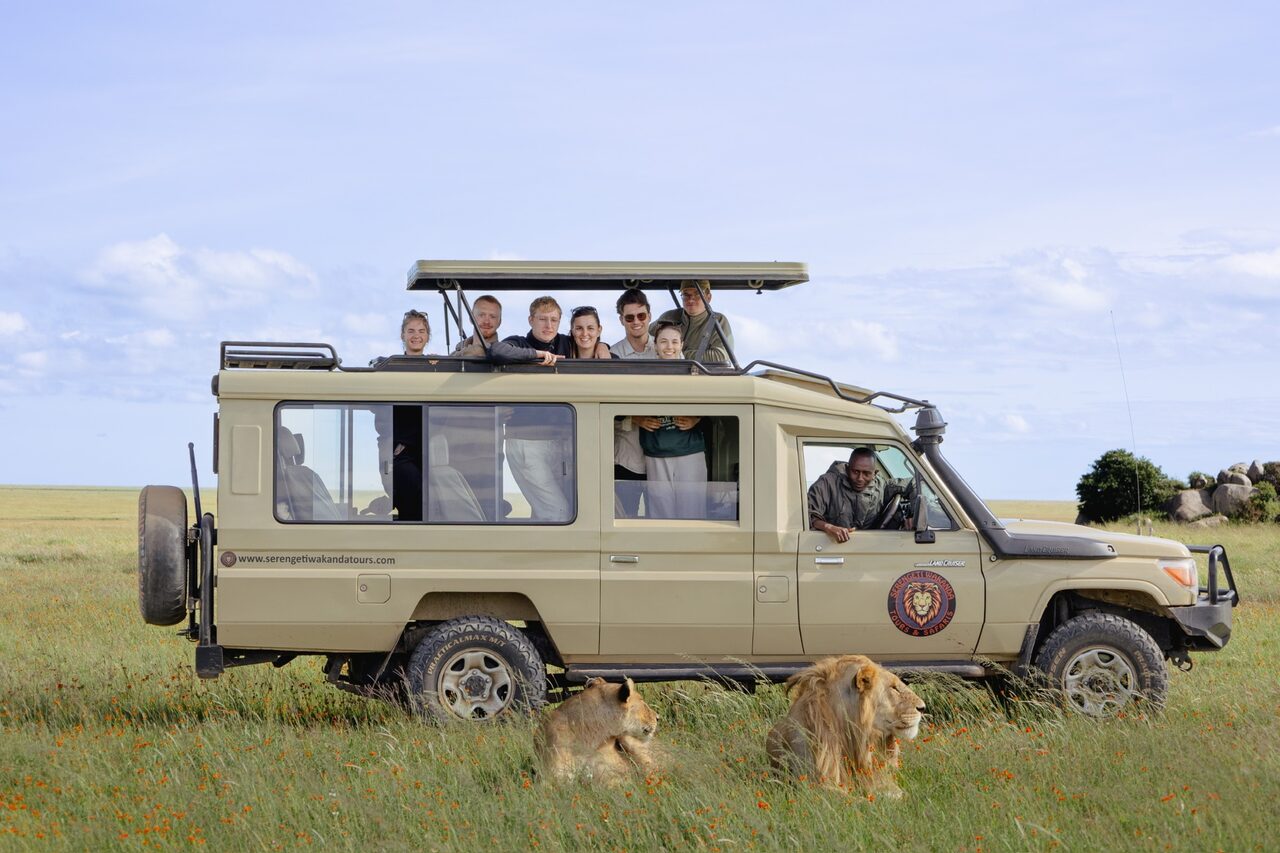
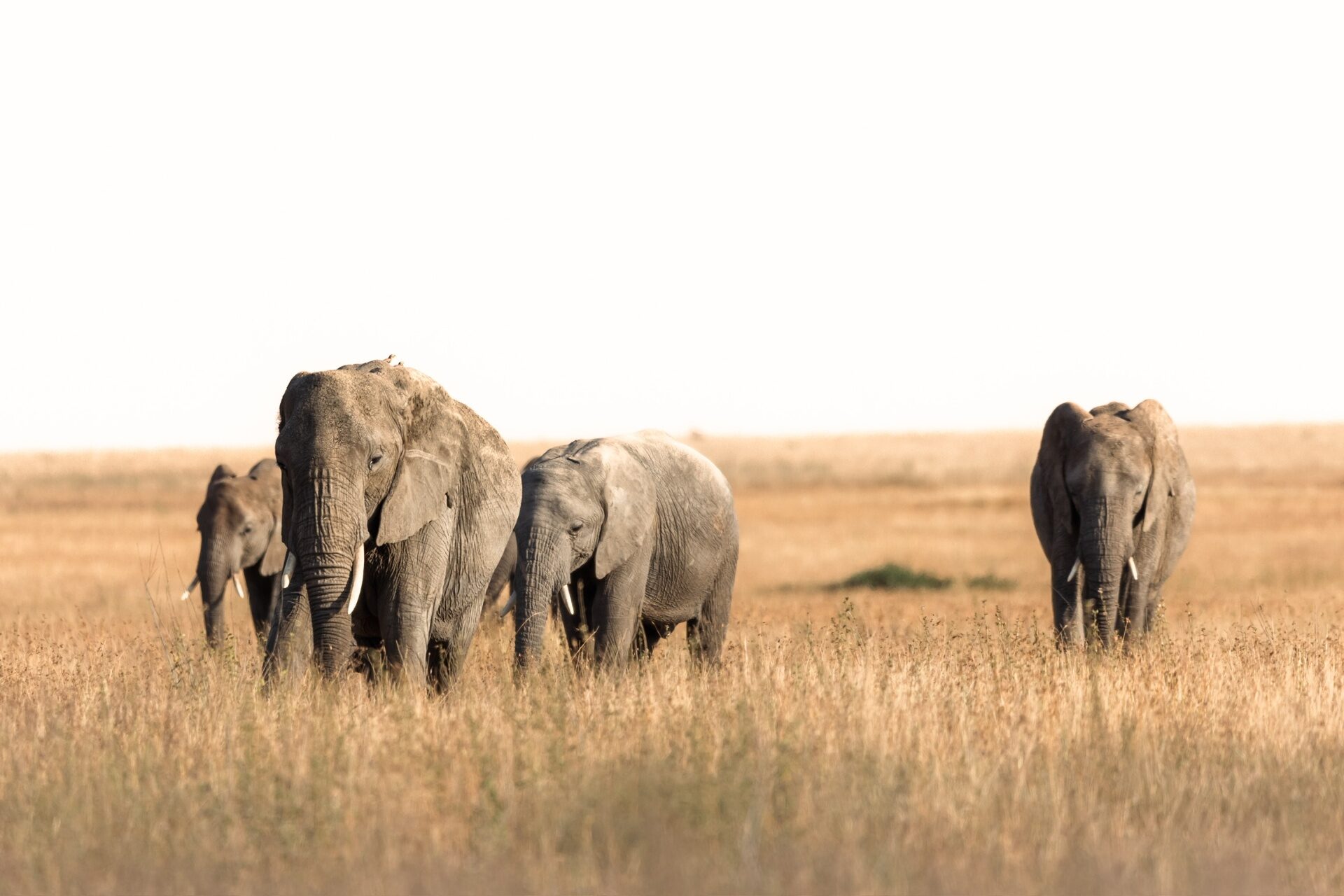
The long dry season, June to October This is the postcard Tanzania. Grass is short and yellow, water is concentrated, and animals are forced into predictable places. Elephant herds pack the Tarangire River. Lion sightings are close to guaranteed in the central Serengeti. From July the Mara River crossings begin in the north, and by August the northern Serengeti is the most photographed place in Africa.
The costs of this season are real: the highest lodge rates of the year, camps that sell out nine to twelve months ahead, and busy sightings in the Seronera valley. If you travel in August, book early and stay somewhere off the main circuit.
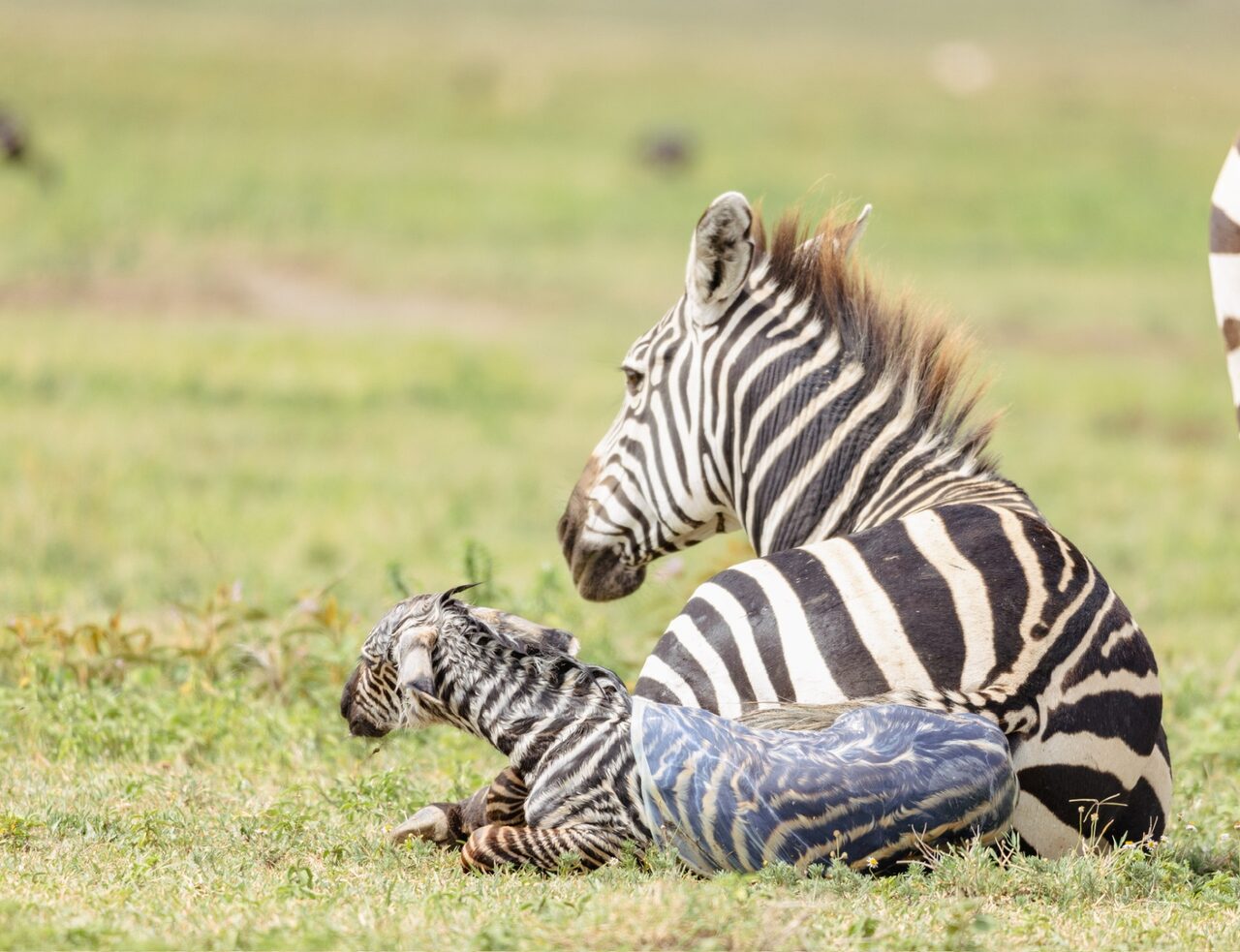
The calving season, late January to early March Around 400,000 wildebeest calves are born in a roughly three-week window on the short-grass plains around Ndutu. Predator action is the highest of the year. It is also, quietly, one of the most comfortable times to travel: the plains are green, the light is dramatic and the vehicle count is a fraction of August.
The long rains, April and May It rains, mostly in heavy afternoon bursts rather than all-day drizzle. Some seasonal camps close, black-cotton roads in the western Serengeti become difficult, and photography can be moody and wonderful. Prices drop 30 to 40 percent. We recommend this window to repeat visitors and photographers, not to a family taking their only safari.
The short rains, November to mid-December Our favourite value window. The dust settles, the plains green up, migrant birds arrive, and the herds move back south. Rain is usually an hour in the afternoon. You get near-dry-season game viewing at close to green-season prices.
Matching the season to your trip
If you want the river crossings Plan for late July to mid-September in the northern Serengeti, and stay at least three nights up there. Crossings are not scheduled events. Two nights is a gamble; three or four turns it into a strong probability.
If you want the fewest vehicles February in Ndutu, or November anywhere. Both give you excellent game viewing without the peak-season queue at a leopard sighting.
If you are climbing Kilimanjaro too Climb in January to early March or June to October, then go on safari straight afterwards. Avoid April and May on the mountain, where the summit night is genuinely unpleasant in heavy rain.
If you are adding Zanzibar June to October and January to February are the reliable beach windows. April and May bring the heaviest coastal rain. See our Tanzania and Zanzibar itineraries for the standard bush-then-beach shape.
What does not change with the season
Ngorongoro Crater holds resident game all year, including the black rhino, so a crater day is strong in any month. Tarangire is at its best from July to October when the elephant herds concentrate on the river. Lake Manyara and Lake Eyasi are year-round, and the Hadzabe and Datoga cultural visits do not depend on the rain.
Booking timelines by season
| Travel window | Book by | Why |
|---|---|---|
| July to September | 9 to 12 months ahead | Northern Serengeti camps sell out first |
| January to February | 6 to 9 months ahead | Ndutu camps are small and seasonal |
| November to December | 4 to 6 months ahead | Good availability except over Christmas |
| April to May | 2 to 3 months ahead | Wide availability, best rates |
Our recommendation
If this is your first Tanzania safari and you can travel any month, go in late June or September: dry-season game viewing without the absolute peak of the August crowd. If you have seen Africa before, come in February for the calving, or November for the value.
Whichever month you choose, the single biggest factor in the quality of your trip is not the season. It is a private vehicle, a senior guide and two-night minimum stays so you are not spending your safari packing.
“People fight to come in August. My favourite month is February in Ndutu. The grass is short, the sky is dramatic, there are calves everywhere and the predators do not have to work hard to find them. You will share a cheetah sighting with two vehicles, not twenty.”
Ready to turn this into a trip?
FAQ
What is the worst month for a Tanzania safari?+
April is the wettest month, with the heaviest of the long rains, some camp closures and difficult roads in the western Serengeti. Game viewing is still possible, but it is the least forgiving month for a first safari.
When is the Great Migration river crossing?+
Mara River crossings in the northern Serengeti typically run from July to mid-October, peaking in August and September. Grumeti River crossings in the western corridor happen earlier, around late May to June.
Is the green season worth it?+
Yes, for the right traveller. November and February give you excellent game viewing, dramatic skies, far fewer vehicles and prices 20 to 40 percent below peak. April and May are best kept for photographers and repeat visitors.
When is the cheapest time to visit Tanzania?+
April and May are the cheapest, followed by November and early December. Peak rates apply in July, August, September and over Christmas and New Year.