Serengeti Migration Safari — Mara Crossings & Calving Itineraries

Two million wildebeest, zebra and gazelle on the move. We position you in the exact corner of the Serengeti where the action is — month by month.

The Great Migration is the largest overland mammal movement on Earth — and the most photographed wildlife event in Africa. But seeing it well takes more than turning up in the Serengeti. The herds are spread across an area the size of Belgium, and where they are this week is not where they were last month. A great migration safari hinges on being in the right zone at the right time, in a camp built to move with the herds, with a guide who knows the river-crossing points from a decade in the field.

The migration calendar — month by month

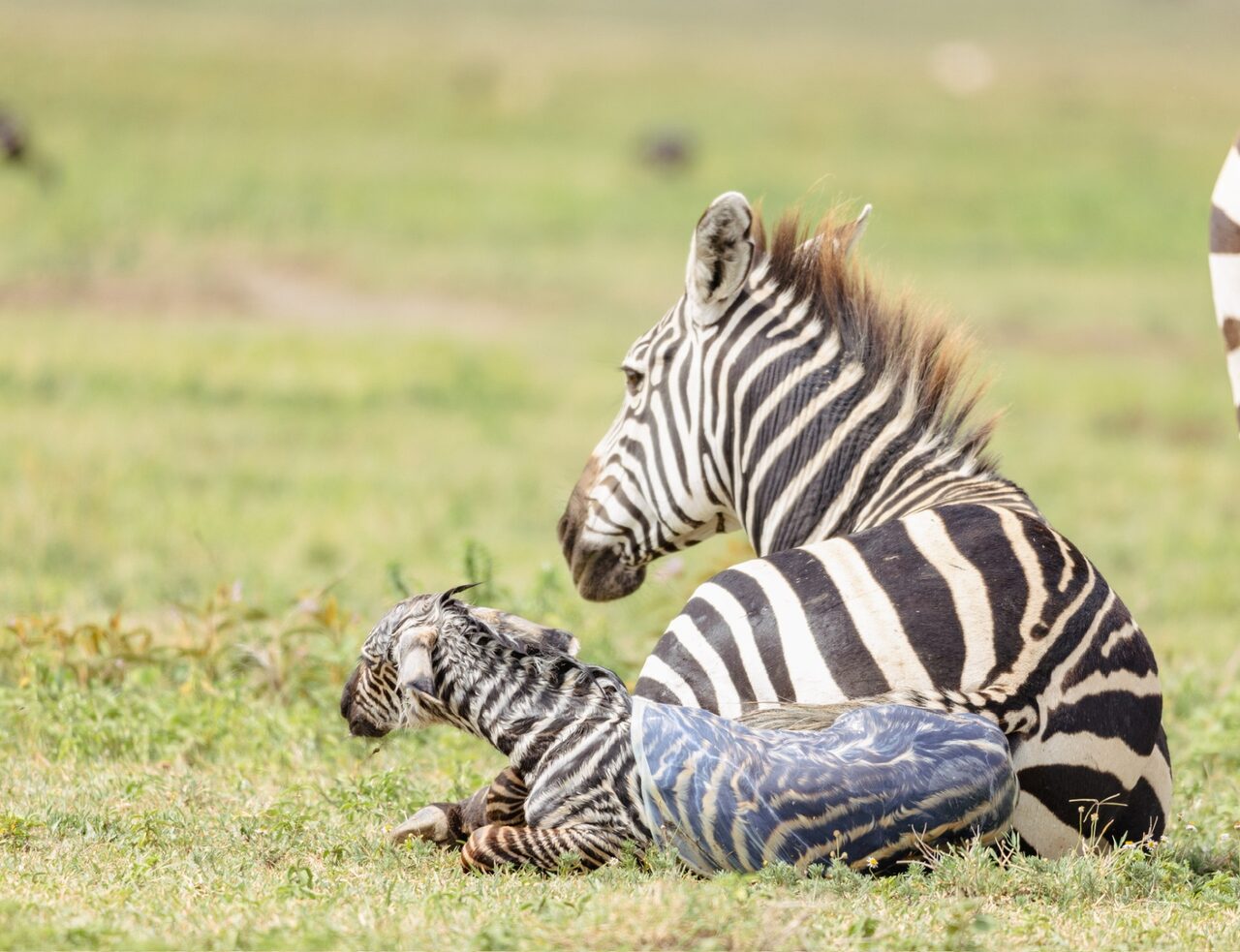
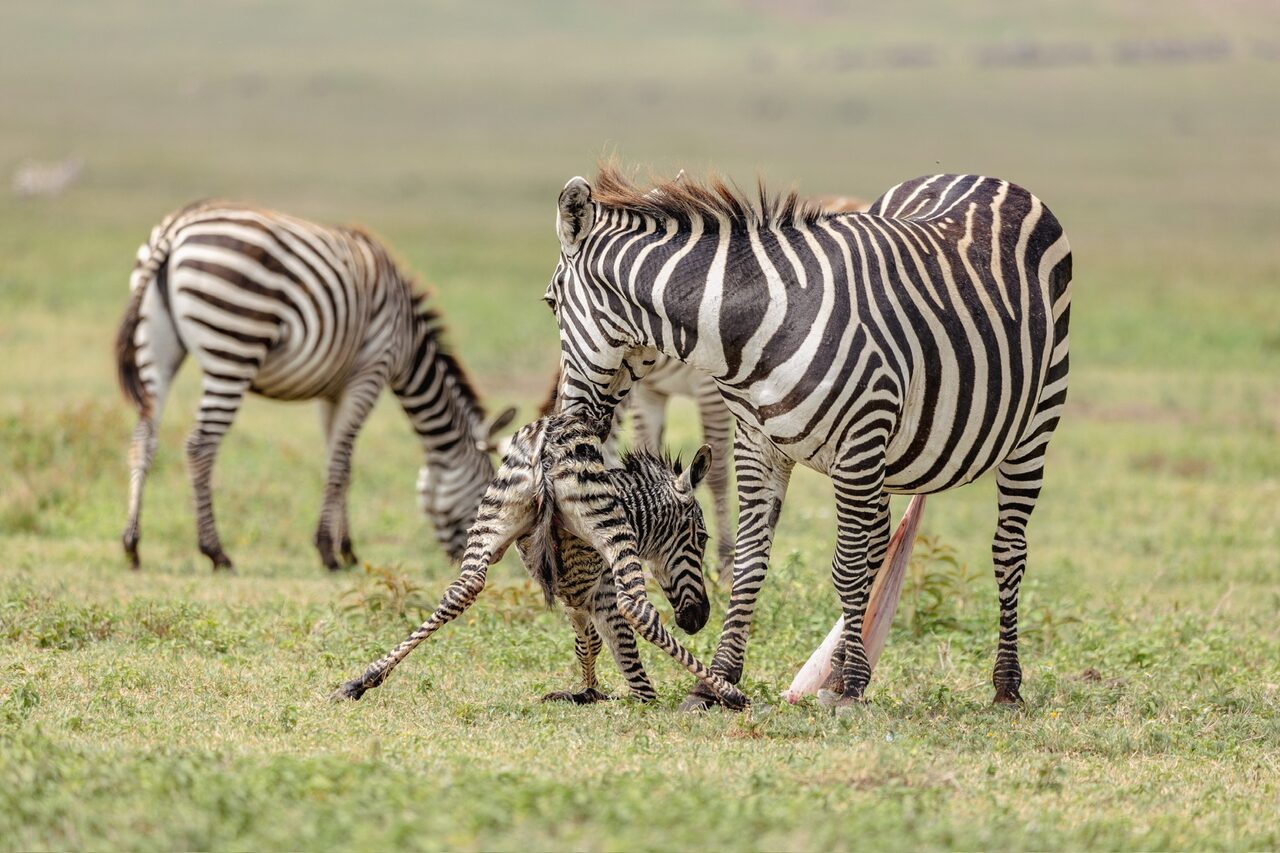
  • Dec–Mar (Calving): Herds on the southern Serengeti and Ndutu plains. Half a million calves born in a 3-week window in Feb. Predator action peaks. Off-road driving allowed in Ndutu — the best photographic conditions of the year.
  • Apr–May: Herds move north-west through the central Serengeti. Long rains, lower prices, dramatic skies, fewer vehicles.
  • Jun–Jul: Western Corridor and Grumeti River crossings — smaller and less famous than the Mara crossings but spectacular and far less crowded.
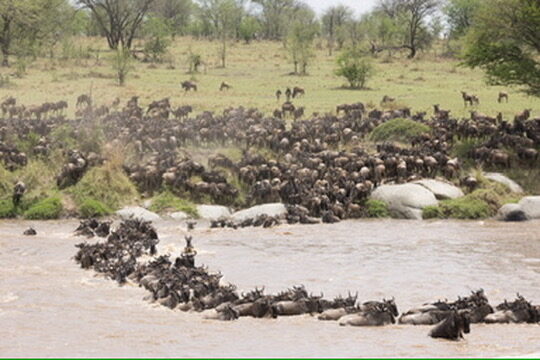
  • Jul–Oct (Mara crossings): The iconic moment. Herds gather on the Mara River, cross into Kenya, return. Stay in the northern Serengeti, within 30 minutes of the river.
  • Nov–Dec: Short rains. Herds drift south back to the calving grounds.

How to actually see a river crossing

Crossings happen between roughly mid-July and mid-October at multiple points along the Mara River in the northern Serengeti. They are not scheduled. A herd may stand at the riverbank for hours, days, or never cross at a given spot.

The formula: stay in a camp within 30 minutes of the main crossing points (Kogatende, Lamai), allocate a minimum of 3 nights, and have a guide who's in radio contact with other vehicles. We position you for both — the camp choice is non-negotiable and the radio network is what turns 'might see one' into 'saw three in three days'.

Mobile migration camps vs permanent camps

Mobile camps (Serengeti Safari Camp by Nomad, Olakira by Asilia, Serengeti Under Canvas by &Beyond) physically pack up and move 2–4 times a year to follow the herds. You wake at exactly the right point in the migration cycle. Slightly less luxurious than permanent camps but unbeatable for migration timing.

Permanent camps in strategic locations (Sayari, Lamai Serengeti, Lemala Mara) stay put year-round. Great for the 3-month peak window in the north.

For a calving safari, Ndutu's permanent camps (Lake Masek, Ndutu Safari Lodge, Lemala Ndutu) are the right choice.

How many days for a migration safari

Minimum: 5 days door-to-door — fly-in to the northern Serengeti, 3 nights at a Mara-river-adjacent camp, fly out. Tight but works.

Sweet spot: 7–8 days. Allows 4 nights in the north plus 2 nights in Ngorongoro and/or central Serengeti.

Comprehensive: 10–12 days. North + central + Ndutu, or migration + Zanzibar. The full Tanzania experience.

Booking lead time

The best migration camps for July–October are typically full 9–12 months in advance. The closer you book, the more compromises you make on camp choice and location. Book by November for the following peak season.

For the calving season (Jan–Mar), 6 months is usually enough. For shoulder months (Apr–May, Nov), 2–3 months works.

Frequently asked questions

No tour operator can guarantee a crossing — the herds set the schedule. But with 3+ nights in the right camp at the right time of year, the odds are very strong (we'd say 80%+).

Ready to plan your serengeti migration safari?

Tell us your dates, group size and what you'd love to see. A senior planner replies personally within 24 hours with a tailored proposal — no obligation.